

May is Skin Cancer Prevention Month! Take these steps to protect yourself from #SkinCancer: http://1.usa.gov/1G8qOTW
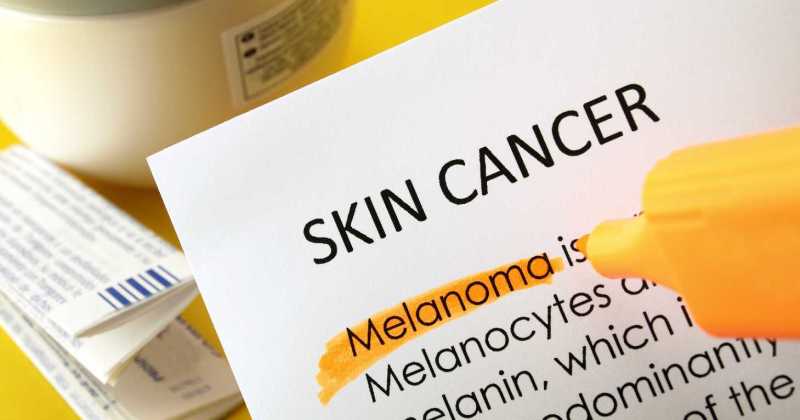
May is Skin Cancer Prevention Month! Take these steps to protect yourself from #SkinCancer: http://1.usa.gov/1G8qOTW

Skin cancer is the most common type of cancer in the United States. Ultraviolet (UV) radiation from the sun is the main cause of skin cancer. UV radiation can also come from tanning booths or sunlamps.
UV damage can also cause wrinkles and blotches or spots on your skin. The good news is that skin cancer can be prevented, and it can almost always be cured when it’s found and treated early.
The best way to prevent skin cancer is to protect your skin from the sun and other sources of ultraviolet (UV) rays.
To protect your skin:
Why do I need to protect my skin?
Protecting your skin today may help prevent skin cancer later in life. Most skin cancer appears after age 50, but skin damage from the sun can start during childhood.
Taking steps to prevent skin cancer may also help prevent:
During the month of May, join us in taking action to prevent skin cancer and reduce the risk of UV damage. It’s never too late to start protecting it!
As winter kicks into high gear, we need to keep our skin from withering under the harsh elements. Those freezing outdoor temperatures and rising indoor thermostats can sap the amount of moisture in the air, and our skin is first to notice. Millions fight a daily battle with irritated, ravaged skin that keeps them from living life to its fullest. In fact, 90% of chronic dry skin sufferers experience a combination of redness, itching, flaking, and scaling before they reach the age of five. Just trying to find relief can be a frustrating experience.
Often we are under the impression that winter skin care is a tedious, time-consuming task. Some of the Tip that experts suggest are to use a more potent moisturizer or invest in creams that are specially made for the season. Since dry skin is one of the main problems of winter, exfoliation and scrubs must be kept to a minimum.
Director of Cosmetic & Clinical Research at The Mount Sinai Hospital, Joshua Zeichner MD, offers some recommendations to help keep skin hydrated through the winter.
When the deep chill of winter sets in, avoid the temptation to take long, hot showers. The water’s heat can strip skin of its natural oils (called ceramides) and cause inflammation—basically, the skin cells swell, and when they dry they become loose like poorly grouted tiles and crack. It’s best to take shorter, lukewarm showers and use gentle cleansers.
As for soaps, soaps with surfactants and claims of pH balance can be harsh on the skin—and don’t scrub! Be tender and let the water and lather do the work. After bathing, pat the skin dry with a soft towel. Rubbing causes more irritation and inflammation. With the door closed to keep the humidity in, and add a moisturizer.
Moisturizing is the key word for anyone who wants to glow all through winter, and it is a wise decision to use a moisturizing lotion or cream regularly. Remember to apply it to the often ignored parts of your body like the sides of your neck. One of the reasons why we emphasize this is because if certain parts of your body are not moisturized enough, then they become extremely dry. Another good idea would be to indulge in an oil massage or use a oil at least once a week to restore the skin’s moisture and to keep it supple.
If you have dry, problem skin, look for a lotion, cream or ointment with petrolatum, glycerin hyaluronic acid and ceramides – the natural fats that make up the grout between the skin cell tiles.
Petrolatum creates a protective barrier across the topmost layer of skin, sealing the moisture and creating an environment where cells can return to a healthy state, while Glycerin penetrates deep into the skin, nourishing and moisturizing multiple layers of cells.

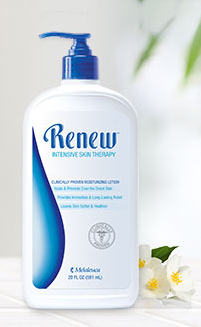
I use a tried and true body wash and moisturizing lotion brand called Renew. Renew contains Malaysian glycerin which draws in moisture and helps maintain moisture levels, Allantoin with moisturizing properties that help promote and maintain skin health and T36-C5® brand Melaleuca Oil which soothes dry, irritated skin in addition to petrolatum.
At night, I hydrate my skin by adding humidity to the air with a cool mist diffuser with a few essential oils added to it to help provide a more restful sleep. If you don’t have a diffuser, you can use a cool mist humidifier.
I always carry a hydrating hand moisturizer and lip balm and use them as often as possible even if the weather isn’t too cold. This prevents skin damage which includes skin bleeding and cracking. Avoid hand sanitizers with alcohol as they can rob the skin of moisture and make things worse for you in winter. Use an alcohol-free sanitizer instead, if you can’t wash your hands.
As always when dressing for winter weather, wear layers. It really does keep you warmer and helps with mobility outside. Did you know there is a method to layering designed to protect your skin while keeping you warm? There is. The closest layer should be made of natural fibers. Soft fabrics like flannel and cotton cause little to no irritation compared to synthetic materials. stay warm
To heal the skin from the inside, drink lots of water in winter to keep hydrated. Keeping your skin hydrated and using a good moisturizing lotion increases skin elasticity and prevents premature aging. Drink fruit juices too, since they will nourish the skin and give your body the vitamins and minerals that are needed by the skin.
The weather may be freezing cold, but we can still look good and keep skin damage free with these simple steps. Stay warm! I think I’ll have a hot cup of tea now.
As winter kicks into high gear, we need to remember to keep our skin from withering under the harshest of elements. The dropping temperatures outside and rising thermostats inside sap the amount of moisture in the air—and our skin is first to notice the fluctuating temps and humidity.
Here are a few recommendations to help keep skin hydrated throughout the winter. When the chill sets in, avoid the temptation to take those long, luxurious, hot showers. The heat strips skin of its natural oils (called ceramides) and causes inflammation. The hot shower also causes the skin cells to swell, so, when they dry, they become loose and crack. Instead, take shorter, lukewarm showers and use gentle cleansers. Harsh soaps with surfactants and claims of pH balance can be harsh on the skin—and don’t scrub! Be tender and let the water and lather do the work.
If you have dry, cracked skin, look for a cream or ointment with light petrolatum, allantoin, glycerin, hyaluronic acid and ceramides – the natural fats that bind the skin cell tiles.
After bathing, pat the skin dry with a soft towel. Rubbing causes more irritation and inflammation. With the door closed to keep the humidity in, add a moisturizer. When dressing, wear layers. The closest layer should be made of natural fibers. Soft fabrics like flannel and cotton cause little to no irritation compared to synthetic materials. Layers also are more effective against cold weather.
Winter skin relief comes many forms. Our skin needs hydration at night, too. Adding humidity to the air with a cool mist humidifier will not only hydrate your skin but will also provide a more restful sleep.

In the past, Men’s toiletries were largely deodorants, fragrances and shaving products. As this CNBC article points out, that is no longer the case. In fact, the men’s skin and personal care market is booming.
Since 2012, beauty and personal care products targeting men has grown by more than 70% and now represents close to 10 billion dollars. Many companies are, understandably, now paying attention, with a 100 million a year in growth, the industry has even “coined” a word for it: Mampering.
While many national and global companies are investing millions into developing products specifically targeted to the men’s segment, many men are using products that are used by women.
Men, particularly millennials, say that the use of personal care products boosts their self-esteem. But the use of these personal care products are not limited to the millennial segment, more and more adult men are using these products to counteract the effects of dry and aging skin.
One of the biggest challenges that companies have in developing these products is that men want their grooming routine to run no more than 30 minutes. Combining products seems to be the answer they have found. Stay tuned for the compromises that must be made for combination products.
Results will always be the way these products will be judged. For that reason, it may make sense to use female-targeted products as a unisex solution. After all, billions of dollars have been invested in the development of these women’s products and solutions. The results are what you are seeking regardless of whether you achieve them with a woman’s or a men’s product.

 The Harvard School of Public Health suggests an estimated 1 billion people worldwide have low vitamin D levels, with deficiencies noted across all age and ethnic groups.
You are at risk of missing out on vitamin D from natural sun exposure if you spend most of your time indoors, use topical sunscreens or wear long clothing for religious reasons.
This study from Health Impact News supports an important role for vitamin D in prevention of common respiratory infections, such as colds and the flu. Individuals with common lung diseases, such as asthma or emphysema, may be particularly susceptible to respiratory infections from vitamin D deficiency. Another study, done in Japan, indicated schoolchildren taking 1,200 units of vitamin D per day during winter reduced their risk of contracting the flu by about 40 percent.
Here is a list of vitamin D deficiency symptoms that most people ignore from Healthyway.com.
If for whatever reason you cannot get outdoors, or not frequently enough to receive sufficient UV exposure,consider taking an oral vitamin D3 supplement along with vitamin K2 and magnesium.
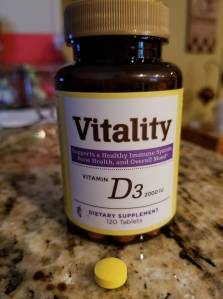
I take an excellent Vitamin D3 supplement that provides 2000 IUs of vitamin D3 to battle the effects of Vitamin D deficiency to support my immune system, bone health and mood. It’s the same vitamin D my body produces when exposed to the Sun without exposure to, harmful UV rays.
This combined with my Peak Performance = Optimal health!
Even if you are in good health, I encourage you to have your level tested twice a year by your primary health care provider and think about taking a vitamin D supplement like I do.

Shiny hair, robust nails, and bright skin can be signs of a great beauty regime…the things you do for the outside of your body. But as the article below from “The Healthy Food Guide” explains, your skin, hair, and nails are even more dependent on what’s going on INSIDE your body.
Your diet can be a huge determinant of the appearance of your skin, hair, and nails. The discussion from dietitian, Cindy Williams, speaks to the things that you can do to ensure that you are as beautiful as can be.
Be sure your diet includes plenty of protein (preferably lean) because our skin, hair, and nails are mostly protein. Essential fats are also part of internal health and beauty. Avoid the fats that are part of sugary snacks you may crave. The fats we refer to are essential Omega-3 and Omega-6 which occur in many seafoods. Eating fish, especially oily fish two or three times a week can help.
Foods high in iron not only will help maintain the cosmetic results you are seeking, it will bolster your energy levels, as well. Red meats are the best source of iron. If you avoid meats, you can get iron from legumes and whole grains, remember to assure proper absorption by supplementing with vitamin C.
Whole grains will add vitamin B (the skin vitamin) and the powerful antioxidant, vitamin E, will guard against dry skin. Nuts should also be part of your “beauty diet”. They provide additional essential fats. Nuts also offer a healthy alternative to higher calorie snacks and control your appetite.
Citrus for vitamin C, orange, yellow, red and green vegetables provide beta-carotene and vitamin A. Finally, hydrate with water and black, green and white tea to get the benefits of flavonoids which will help protect your skin from UV damage.
I’m excited that the company I am associated with keeps its pulse on the consumer trends. They just developed an incredible supplement designed to target skin, hair, and nails. I plan on adding it to my daily supplements. Balance your dietary changes with healthy exercise and supplements that really work!
https://www.healthyfood.co.nz/articles/2008/june/8-steps-to-healthy-skin-hair-and-nails

We all know that we have to take care with what we put IN our bodies. It is not as evident that we must take care of what we put ON our bodies, as well. Recently, news came to light about asbestos discovered in cosmetic products at Claire’s stores. They were quickly removed from the shelves.
There are other dangers that can be associated with cosmetics and other beauty products. We assume that government regulations are protecting us, but as the article below points out, The F.D.A. has only 6 inspectors to monitor the millions of cosmetic shipments coming into the U.S. each year.
I have included two articles below (of which there are many) that point out some of the risks that we take when using cosmetics and other beauty products. The majority of imported products are safe, but a surprising number of those imports (15-20%) led to adverse findings. Among the problems found were bacterial contamination, illegal color additives and unsafe chemical substances like mercury were discovered.
The problem is that the F.D.A. does so few inspections of imports (less than 0.3 percent) from South Korea, China, India, Canada, and France that it is impossible to predict how widespread the problems really are.
The government is attempting to get more control over the problems. Yet for now, the best anyone can do to protect themselves is to purchase and use domestically produced personal care products from companies that use the highest standards for approval methods. I’m proud to be associated with a company that applies only the highest standards in their ingredient formulation and manufacturing processes. For the safety of myself and my family, I choose to use products that have already been proven safe and effective.
www.asbestos.com/news/2017/12/28/claires-recall-asbestos-makeup/

They are our foundation. They help with our balance, posture and our personal presentation. With all this considered, it is also true that many of us, especially men, pay little attention to our feet. Unless we identify a problem they, for the most part, are an afterthought in our daily hygiene.
The article below, from HealthLine, focuses on the diabetic implications of your feet, but it also offers many suggestions that have nothing to do with that particular diagnosis and points out ways that you can prevent serious problems with a few simple steps in your foot care regimen.
You should take care of your feet every day. Develop healthy foot habits. Pay attention to the risks that this article points out. It, as you read it, will surprise you with the ways in which we “ignore” our feet. When was the last time you washed and dried your feet separate from your shower?
The article also discusses toenail care and footwear selection and care. Your feet are an important part of YOU; treat them that way and many problems can be avoided. For example, using a moisturizer regularly can help you avoid dry and cracked skin on your feet, but never use moisturizer between your toes.
I have become increasingly aware of my feet and their care. My company has developed and manufactures a super moisturizer that really makes a difference. They also provide me with first-aid applications when I experience cuts or cracks on my feet. They’re your feet…stay on top of them.
www.healthline.com/health/diabetes-foot-care#overview1

Dry scalp is a great nuisance but it does not have to be dandruff. As the below bulletin describes, there are many causes of dry scalp, they mainly are caused by scalp infections.
There are a plethora of natural remedies for dry scalp. One of the most effective is the addition of tea tree oil to your shampooing regime. Combinations of other essential oils to the tea tree can also add to the effectiveness.
There are other natural ingredients that can be homogenized to be effective treatments as well. You may find most of them obscure, messier and more complicated than the essential oil treatment.
To prevent the occurrence of dry scalp before it happens, there are dietary alternatives that include more leafy green vegetables; fruits, eggs, and whole grains will help bolster the protein in your hair and scalp. Omega-3 is also helpful as are foods that are rich in vitamin A, B, C, zinc, and iron.
Always check the ingredients in your shampoo and conditioner to make sure they do not contain sulfates and parabens. Stay hydrated and use a hair dryer as little as possible. Massage your scalp with natural oils a few times a week.
Finally, try using a shampoo that contains tea tree oil and other nutrients that protect your hair and scalp to keep them healthy.
homeremediesforlife.com/dry-scalp/

Barbara Hay
732.233.6541
