Harvest the Best, Wash Away the Rest! 

While modern farming has made it possible to enjoy your favorite fruits and vegetables nearly any time you want them, there are some drawbacks. At the end of its journey to your table your produce can still have pesticide residue, dirt, and other contaminants that can increase the risk of foodborne illnesses.  

Luckily, there’s new EcoSense®Harvest Pure Fruit and Vegetable Wash! 

A powerful combination of food-safe ingredients, Harvest Pure Fruit and Vegetable Wash washes away pesticide residues, dirt, grime, and more from fresh fruits and vegetables, so all you’re left with is their delicious flavor. In fact, when used as directed, Harvest Pure Fruit and Vegetable Wash removes more than twice as much pesticide residue as rinsing with water alone! This formula is not only effective at cleaning but also gentle and rinses off easily—leaving the nutrient-dense peels of produce intact with no unpleasant aftertaste. 

I LOVE this product!

Magnesium Deficiency and Cancer

Magnesium deficiency is a risk factor for multiple cancers. This essential mineral helps maintain proper immune function and regulates inflammation, both of which are important factors in cancer prevention.

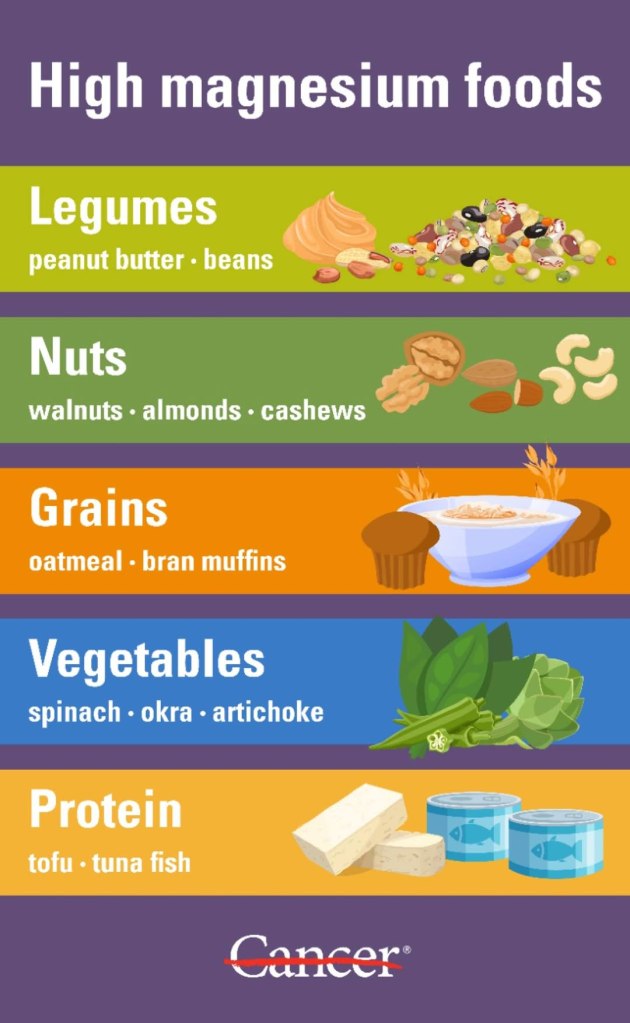
Good sources of magnesium include:

  • Leafy greens
  • Fruit 
  • Chocolate 
  • Dairy (grassfed is easier to digest)
  • Beef 

But still….. it’s hard to get the necessary requirements so supplementing is important. I prefer a powder magnesium that i can easily add to my water, lemonade, protein shakes, etc. It’s one less pill to swallow, but i can also increase dosage if I prefer. Also, I recommend looking for a magnesium supplement that also has Vitamin B6. It works beautifully with this mineral for quicker absorption.

How to Add More Fiber to Your Diet

If you are looking to lose some weight or balance your blood sugars, turn to fiber to help you reach that goal.
Here are a few easy steps:

  • Increase your fiber intake gradually. Consuming a lot of fiber at once can have unintended consequences; such as constipation. To ensure a smooth transition, try increasing your fiber intake by five grams daily until you reach your goal.
    As long as each meal contains roughly 10 grams of fiber or more, you’ll consume enough.
  • Fill your pantry with shelf-stable ingredients. Keep items like nuts, seeds, and canned beans on hand since they have a longer shelf life and are easy to add to meals. You can sprinkle slivered almonds on a salad for a crunchy boost, coat baked salmon in a flaxseed crust, or add beans to a vegetable soup.
  • Double up on vegetables. Most vegetables contain some fiber, but certain options are better than others. Veggies high in fiber include artichokes (yum!), Brussels sprouts, spinach, broccoli, and carrots. (Pumpkin and avocado are also high in fiber but are actually fruits.)
  • Don’t forget about fiber-rich snacks. If you know you’re falling short on fiber in your meals, use snacks to balance out your daily needs. Think toasted and spiced nuts, vegetables, and fruits like raspberries and apples. Pair with a source of protein or fat (like cheese) to slow the release of sugar into your bloodstream.
  • Add fiber to every meal. Thirty to fifty grams is a lot of fiber; you don’t want to eat all of that at once, or your GI tract may suffer. It’s better to break it up to include fiber in every meal and snack. That could look like a chia pudding for breakfast, a salad with crispy chickpeas and avocado for lunch, or a bowl of chili served over cauliflower rice for dinner. 

If you don’t know what your fiber goals should be, think 28+ grams/day for women and 34+ grams/day for men.

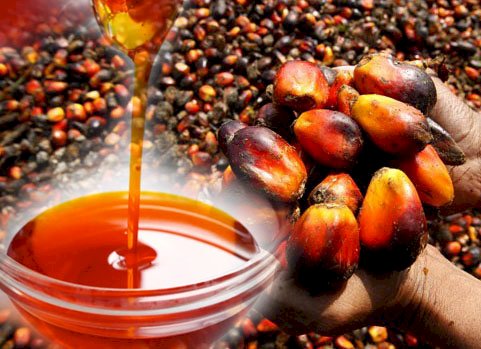
Palm Oil by any other name

In an era where conscious consumerism is on the rise, many of us strive to make informed choices about the products we bring into our homes. Yet, there’s a stealthy ingredient hiding in a multitude of everyday items, from our favorite snacks to our bathroom essentials, that often goes unnoticed—palm oil. 

While palm oil itself isn’t inherently malevolent, its clandestine presence in countless products has raised concerns about its impact on the environment, wildlife, and indigenous communities..

What’s the problem with palm oil?
Palm oil is a controversial and widely debated commodity due to its environmental and social impact. Here are some of the main concerns associated with palm oil production:

  1. Deforestation: One of the most significant issues with palm oil is its link to deforestation. Large areas of tropical rainforests in countries like Indonesia and Malaysia have been cleared to make way for palm oil plantations. This destruction of natural habitats contributes to biodiversity loss and can threaten endangered species like orangutans, tigers, and rhinos.
  2. Habitat Destruction: The expansion of palm oil plantations often leads to the displacement of indigenous communities and local people who depend on these forests for their livelihoods. This can result in social conflicts and human rights abuses.
  3. Environmental Impact: The conversion of forests to palm oil plantations contributes to greenhouse gas emissions and climate change. Forests, especially peatlands, store significant amounts of carbon, and when they are cleared and drained for palm oil cultivation, carbon is released into the atmosphere.
  4. Burning Practices: In some regions, including Indonesia, palm oil companies have used slash-and-burn techniques to clear land for plantations. This practice not only releases enormous amounts of carbon dioxide but also causes dangerous air pollution and haze, affecting human health.
  5. Biodiversity Loss: The monoculture nature of palm oil plantations reduces overall biodiversity. Many species cannot survive in these plantations, which are often devoid of the diverse ecosystems found in natural forests.
  6. Water Pollution: The use of pesticides and fertilizers in palm oil cultivation can lead to water pollution, harming aquatic ecosystems and potentially affecting human health when contaminated water is used for drinking or irrigation.
  7. Ethical Concerns: Labor abuses and poor working conditions have been reported in some palm oil plantations, raising ethical concerns about the treatment of workers.

It’s important to note that the palm oil industry has made efforts to address some of these issues through initiatives like the Roundtable on Sustainable Palm Oil (RSPO), which promotes the use of sustainable practices in palm oil production. However, criticism has arisen regarding the effectiveness and enforcement of such initiatives.

Why is palm oil used?
Palm oil is used in a wide range of products and industries for several reasons:

  1. Versatility: Palm oil is highly versatile and can be used in both food and non-food products. Its semi-solid consistency at room temperature makes it suitable for various applications.
  2. Texture and Consistency: In the food industry, palm oil is often used to enhance the texture and consistency of products. It provides a creamy and smooth texture, which is valuable in items like margarine, ice cream, and bakery goods.
  3. Long Shelf Life: Palm oil has a long shelf life due to its high saturated fat content. This makes it an attractive choice for processed foods, as it helps extend the product’s freshness and prevents spoilage.
  4. High Melting Point: Palm oil has a higher melting point compared to many other vegetable oils. This makes it suitable for use in products that require stability at high temperatures, such as frying oils and baked goods.
  5. Flavor Neutral: Palm oil has a relatively neutral flavor, which means it doesn’t significantly impact the taste of the final product. This makes it a suitable choice for a wide variety of food items where a strong flavor is not desired.
  6. Cost-Effectiveness: Palm oil is often more cost-effective than other vegetable oils, which makes it an attractive option for food manufacturers looking to keep production costs down.
  7. Non-Food Applications: Palm oil is also used in non-food products, such as cosmetics, personal care items, and cleaning products. Its properties, including its ability to create stable emulsions and provide moisture to the skin, make it valuable in these applications.
  8. Biofuel Production: Palm oil is used as a feedstock for the production of biodiesel, a renewable and environmentally friendly alternative to fossil fuels.
  9. Industrial Uses: Beyond the food and cosmetic industries, palm oil is used in various industrial applications, including lubricants, candles, and soaps.

It’s important to note that while palm oil offers many functional benefits, its production is associated with environmental and social concerns, as discussed in a previous response. As a result, there has been growing awareness and efforts to promote the responsible and sustainable production of palm oil to mitigate its negative impacts. Consumers and companies are increasingly seeking alternatives and supporting sustainable sourcing practices to address these concerns.

Did you know destructive palm oil sneaks into your food using these 25 ingredient names.
Avoid them at all costs!

Palm oil often gets packaged under a multitude of different names, which can make it challenging for consumers to identify its presence in products. This practice is employed by manufacturers to obscure the use of palm oil and may involve a variety of alternative names, such as “vegetable oil,” “vegetable fat,” “palmate,” “sodium lauryl sulfate,” or even specific chemical compounds like “palmitate” and “stearate.” 

This is a full list of 25 alternative names for palm oil:

  1. Palmitic acid
  2. Hydrogenated palm glycerides
  3. Palmitate
  4. Vegetable fat
  5. Stearic acid
  6. Palm stearine
  7. Glyceryl
  8. Palmitoyl tetrapeptide-3
  9. Vegetable oil
  10. Stearate
  11. Palm kernel oil
  12. Palmolein
  13. Sodium palm kernelate
  14. Octyl palmitate
  15. Etyl palmitate
  16. Sodium kernelate
  17. Palm kernel
  18. Palmate
  19. Palmityl alcohol
  20. Sodium lauryl lactylate/sulphate
  21. Palm fruit oil
  22. Sodium lauryl sulfate
  23. Elaeis guineensis
  24. Palmitoyl oxostearamide
  25. Sodium laureth sulfate

Here is a list of products that often contain palm oil:

Food Products:

  1. Processed Foods: Many processed foods, such as cookies, crackers, and baked goods, contain palm oil as it helps give these products a desirable texture and shelf life.
  2. Margarine: Palm oil is used in the production of margarine to achieve a creamy consistency.
  3. Instant Noodles: Palm oil is often used in the preparation of instant noodles.
  4. Chocolate: Some chocolate products contain palm oil as an ingredient.
  5. Ice Cream: Palm oil may be used in ice cream to improve its texture and prevent melting.
  6. Snack Foods: Many snack items like chips, popcorn, and fried snacks are made using palm oil for frying.
  7. Baked Goods: Palm oil is used in various baked goods, including bread, pastries, and doughnuts.
  8. Nutella and Similar Spreads: Palm oil is a common ingredient in chocolate spreads like Nutella.
  9. Instant Soups and Sauces: It can be found in instant soups and sauce mixes.
  10. Cereals: Some breakfast cereals may contain palm oil.

Non-Food Products:

  1. Personal Care Products: Palm oil is used in cosmetics, soaps, shampoos, and skincare products due to its moisturizing properties.
  2. Cleaning Products: Some cleaning products, such as detergents and soaps, contain palm oil.
  3. Biofuels: Palm oil is used as a feedstock in the production of biodiesel.
  4. Candles: It can be used in the manufacture of candles.
  5. Industrial Lubricants: Palm oil is utilized in industrial applications, including lubricants.

It’s important to note that palm oil can be listed under various names and aliases on product labels, making it challenging for consumers to identify its presence. To make informed choices and support sustainable practices, consumers often need to look for specific certifications like the Roundtable on Sustainable Palm Oil (RSPO) or choose products explicitly labeled as “palm oil-free.”

Quick Hack for Improving Your Blood Sugars

Functional Medicine Doctor, Dr. Mark Hyman shared this quick tip for improving your blood sugars: Sitting for hours at a time doesn’t just affect your energy—it can seriously disrupt blood sugar control.

A recent study reveals that interrupting prolonged sitting with short bursts of movement can significantly improve glycemic control.

In the study, participants who performed three minutes of walking or 10 bodyweight squats every 45 minutes had better blood sugar regulation compared to those who stayed seated or even those who took a single 30-minute walk.
These frequent, targeted bursts of activity were shown to activate key muscle groups like the quadriceps and glutes, leading to better glucose management throughout the day.

Working out at the gym is great, but if you are pressed for time, remember….. get up and move!

Your Dinner Time Can Impact Your Metabolic Health 

I don’t know about you, as I get older, my dinner hour keeps getting a little earlier. Can anyone relate?
In reality, that’s not a bad thing. You know, that old advice to stop eating a few hours before bedtime exists for a good reason: 
Late night snacking may disrupt your sleep, add to weight gain, and increase your risk of Type 2 diabetes. 
Late night eating can have these consequences: 

  • Bigger Blood Sugar Spikes (which leads to a host of health problems)
  • Altered Fat Metabolism (it encourages fat storage)
  • Lower post-meal metabolic rate (you don’t burn calories as efficiently)
  • Great hunger (even though food intake was the same when compared with those who ate at an earlier hour)
  • Difficulty in losing weight 

It’s not always easy, but with a little planning, you can have your dinner and your evening walk too!

Is Vinegar the right choice?

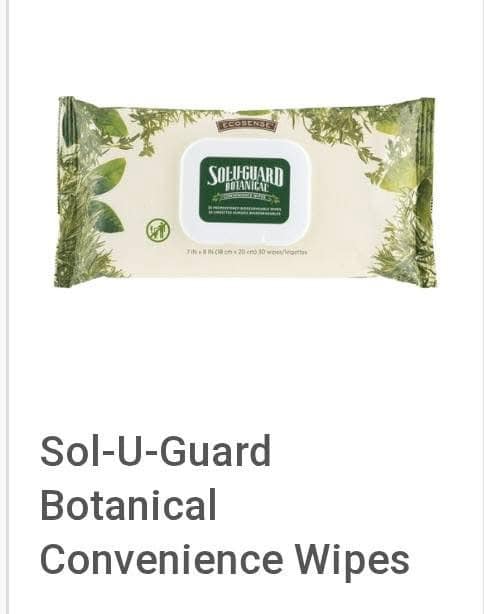
Just in case you’re using vinegar as a disinfectant…it’s not nearly as powerful as Sol-U-Guard, which is the only EPA-registered plant-based disinfectant that DOES kill 99.9% of germs and viruses, including Influenza, SARS, COVID-19, E-coli, and more!

Undiluted vinegar doesn’t kill viruses sufficiently enough to qualify as an EPA registered disinfectant, and it doesn’t kill dangerous bacterial like staphylococcus. Once you dilute vinegar as part of a DIY cleaning solution, you’re reducing the virus-killing power even more. Vinegar is not an EPA-registered disinfectant and it’s not powerful enough to be used for sanitizing settings like childcare, schools, or even your own home. Vinegar does not kill 99.9% of viruses and bacteria so you’ll want to swap vinegar for an EPA- registered disinfectant when you want to protect your family from viruses like COVID-19. Vinegar is not sufficiently effective to be on the EPAs List N – the disinfects approved agains SARS CoV-2 (the cause of COVID-19).

We’re often exposed to viruses in high-traffic areas where we’re coming onto contact with droplets from other people, and where it is challenging to keep your hands clean. Due to a dubious level of commitment to hand washing and a penchant for unhygienic sharing practices, children are great germ vectors! This makes childcare settings and schools a high priority when it comes to killing viruses—and vinegar isn’t potent enough to help in this area. While vinegar can be use to physically remove dirt and grime, vinegar does not kill germs thoroughly enough to be used as a disinfectant or sanitizer in schools. Yet, vinegar can be caustic when used in high concentrations.

A great way to kill viruses and cut down on hitchhiking germs that are coming home from school is to spray items down daily with an EPA-registered disinfectant Like the one I use, Sol-U-Guard.

Sol-U-Guard kills 99.9% of household germs using the ingredients thyme oil and citric acid.

Thyme-tested thyme oil. The thyme plant uses thyme oil as an I’mmune system—killing microorganisms before they an invade.

Naturally safe and effective Citric Acid. Every drop of citric acid that goes into each bottle of Sol-U-Guard Botanical takes over 100 hours to process, including 35 hours spent on filtering alone.

Sol-U-Guard literally makes germs spill their guts. Many viruses are surrounded by a lipid envelope. When Sol-U-Guard breaks down this envelope, the virus is killed. Soluguard is all-natural and patent protected (#7642227)

Doesn’t your family deserve a fighting chance?

The R3 Lifestyle = Healthy Eating

If you’re tired of being on the hamster wheel of dieting then check out the R3 Lifestyle. It’s not a diet, there is no counting of calories, carbs, sugars or fats—just healthy food choices that you love

Here’s one of many recipes I share to help friends and family find healthy, affordable and easy options to stay on track and enjoy their life journey.

If you already follow R3 and partake in the challenges, the following recipe is R3 approved for all weeks one through six.

𝐁𝐔𝐅𝐅𝐀𝐋𝐎 𝐂𝐇𝐈𝐂𝐊𝐄𝐍 𝐁𝐈𝐓𝐄𝐒

This recipe is easy, delicious and will totally satisfy your cravings if you’re in the mood for boneless wings.
Great for snacks, appetizers, tailgating or any get together.

What you need:
• 1- 12.5 ounce can white chicken breast drained
• 1 cup of shredded cheddar
• 1 large egg
• 1/4 cup buffalo sauce
• Seasonings of choice

How to make them:

1. Combine all ingredients except buffalo sauce.
2. Shape into nuggets on a parchment lined baking sheet and cook at 400ºF for 20 minutes.
3. Take them out, toss with buffalo sauce or sauce of your choice & enjoy!

NOTE:
Serve with celery or carrot sticks with Blue Cheese, Ranch or any dipping sauce you like.
I doubled this recipe.

EPIDEMIC: VITAMIN D DEFICIENCY!

Publications support the theory that we have an epidemic of vitamin D deficiency. It’s estimated that nearly half of Americans have “insufficient” vitamin D levels (under 29 ng/ml) and 14 percent are deficient (under 19.6 ng/ml). On the other hand, Vitamin D blood levels of 50 ng/ml or higher have been found to protect against respiratory infections like influenza and corona-type viruses.

I know many people believe that “I get my Vitamin D from the sun” and I know Ido a well. But there are a few various factors limit adequate D absorption from sun exposure (age, skin tone, your BMI, geographic location, time of year, infection). Just because I’m in Florida and out in the sun every day, it doesn’t mean I don’t need to supplement with Vitamin D and D3/K2 in order to keep my vitamin D at a healthy level. Remember too, when we use sunscreen, we block out 98% of the Vitamin D we would normally absorb..

At your next physical, be sure and request your D3 lab marker. If you don’t request it, the doctor won’t do it!

Do you get enough fiber?

Believe it or not, fiber is a great way to lose weight, keep your gut in great working order and curtail hunger. Eating a lot of fruits and vegetables can help with that, but what if you don’t want to consume all of those calories or can’t handle the sugar from all of the fruit?

Well, I’ve found Fiberwise is a great way to get some extra fiber in my diet. It’s great to take about 30 minutes to an hour before dinner. It helps you not want to overeat. It has 14 grams of fiber in one serving! Good stuff for the digestive tract.