

Now that Thanksgiving is over and we have maybe, just maybe, a bit too much to eat, we might want to stretch a bit before working out.
This is called a perfect pose as it hits many muscle groups at once.

Now that Thanksgiving is over and we have maybe, just maybe, a bit too much to eat, we might want to stretch a bit before working out.
This is called a perfect pose as it hits many muscle groups at once.

Our friends at Jersey Shore Scene recently posted an article showing foods that are actually good for your teeth. We enjoyed it so much and with the holidays on the way, we decided to share their article here
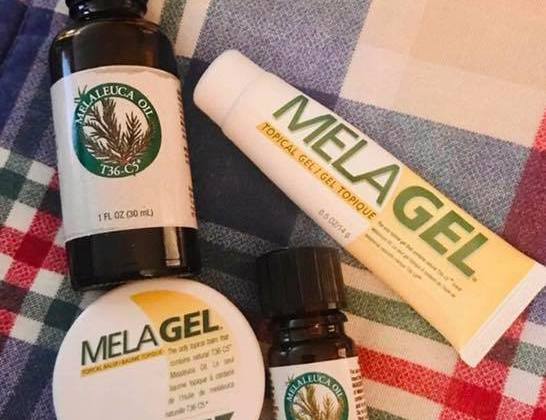
You never know when you’ll have a minor emergencies. Today, was one of those days for me. Luckily, I carry two of my favorite first-aid remedies in my bag: MelaGel and Tea Tree Oil. I believe it’s an absolute must when you’re out and about. I use this brand of Tea Tree oil as it is the highest grade of tea-tree oil available to me. I find it soothing and healing , perfect for cuts, burns and insect bites without stinging or burning. even the little ones don’t complain!
Here’s a helpful winter tip: Use it on your cuticles in the winter so they don’t get dry and cracked.
Did you know there is a blood pressure medication recall due to cancer concerns?
A blood pressure medication is voluntarily being pulled from the shelves due to impurity concerns which may lead to a cancer risk. The Food and Drug Administration said Losartan Potassium Hydrochlorothiazide could contain an impurity that has been classified as a probable human carcinogen, known to cause cancer.
The batch affected by the recall are the 100 milligram and 25 milligram tablet with the Lot Number JB8-912. Patients who are currently on the medication are advised to talk to their doctor before stopping use.
Losartan Potassium Hydrochlorothiazide is used to treat high blood pressure, reducing the risk of stroke, and can also be prescribed to treat kidney disease in patients with diabetes.
For more information, visit the FDA’s recall notice on their website by following this link: fda.gov/Safety/Recalls/ucm625492.htm.
 Diane Henderiks’ Cranberry, Orange and Ginger Relish
Ingredients:
3 cups fresh cranberries
1/2 cup freshly squeezed orange juice
2 tablespoons honey
1/4 cup finely chopped crystallized ginger
2 tablespoons cup fresh orange zest
1/4 cup coarsely chopped orange segments
Step-by-Step Directions:
Mix all ingredients together in a medium saucepan.
Cook over low heat for about 8 minutes until berries begin to pop.
Remove from heat, cool completely, cover and chill.
Enjoy!
Diane Henderiks’ Cranberry, Orange and Ginger Relish
Ingredients:
3 cups fresh cranberries
1/2 cup freshly squeezed orange juice
2 tablespoons honey
1/4 cup finely chopped crystallized ginger
2 tablespoons cup fresh orange zest
1/4 cup coarsely chopped orange segments
Step-by-Step Directions:
Mix all ingredients together in a medium saucepan.
Cook over low heat for about 8 minutes until berries begin to pop.
Remove from heat, cool completely, cover and chill.
Enjoy!

With the exception of skin cancer, breast cancer is the most common form of cancer among women – the disease claims the lives of about 41,000 women every year in the United States. There is mounting evidence that maintaining healthy vitamin D levels can protect against a variety of diseases, especially breast cancer.
The U.S. Centers for Disease Control and Prevention (CDC) reports that women are at increasing risk for breast cancer as they age, and notes that the average age of diagnosis for women is 61. According to a new study conducted by researchers at University of California San Diego School of Medicine—published in June in PLOS One—which involved more than 5,000 postmenopausal female participants over 55 (average age: 63) showed that higher levels of vitamin D are linked with decreasing risk of breast cancer.
The study suggests that the minimum vitamin D blood level for protective health benefits is 60 nanograms per milliliter – exactly three times the 20 ng/mL amount recommended in 2010 by the National Academy of Medicine.
Maintaining optimal levels of vitamin D appears to result in a substantial health dividend – participants with blood levels above 60 ng/mL had one-fifth the risk of breast cancer when compared to women with levels of under 20 ng/mL. The study shows a strong association between vitamin D levels and reduction in breast cancer risk. The team found that women with vitamin D levels of at least 38 ng/mL were 21 percent less likely to develop cancer, when compared with women who had levels of 24.6 ng/mL or less. (Note: a measurement of under 20 ng/mL of vitamin D is considered a deficiency).
Researchers also found that taking a vitamin D supplement at least four times a week could cut cancer risk by 11 percent—this association was even more pronounced in postmenopausal women. Supplement use in this group was linked to a 17 percent reduced risk for breast cancer.
Healthy vitamin D levels have also been associated with lowered risk of lung and bladder cancers, multiple myeloma, adult leukemia, heart attack, heart disease, high blood pressure and stroke. Some scientists say that vitamin D can also help to activate longevity genes.
Not only can vitamin D help prevent cancer, but actually lead to better outcomes in those who develop the disease as a study published in JAMA Oncology stated, breast cancer patients with the highest blood serum levels of vitamin D had the highest likelihood of surviving the disease.
Vitamin D is produced in the skin in response to sunshine, you can raise your level by getting twenty minutes of direct sunlight three times a week. You can also boost your level with diet— eggs, cold-water fatty fish, organic mushrooms, soy and raw dairy foods. However, supplementation with vitamin D3 may be necessary in order to achieve optimal blood levels.
Experts advise vitamin D3, or cholecalciferol, over the D2 form of the vitamin as it has been found to be 87 percent more effective when it comes to raising blood levels.
The National Academy of Medicine recommends that adults take 600 IU of vitamin D3 a day, yet many health experts advise higher dosages because in order to reach the recommended concentrations of 60 ng/mL, most people need to take between 4,000 and 6,000 IU of vitamin D a day.
Obviously, before taking vitamin D, consult your doctor – who can advise a dosage that is right for you and get your vitamin D levels tested periodically.
As research continues to show, vitamin D has a major role to play in cancer prevention. Maintaining optimal levels might be one of the most important things you can do to protect yourself against this life-threatening disease.
It’s incredible how a clean house can make you feel. I just deodorized the furniture in my home and killed 99% of the germs lurking in the fabrics.
I first vacuumed the furniture. Then I sprayed all of the pieces with Sol-U-Guard. I waited a half hour, then vacuumed everything. Now the entire house smells super clean. Great way to start off a week! Love this product. http://ow.ly/i/IgREH

With the onset of the fall season, we know that cold and flu season will soon be upon us. Unfortunately, not all of us are immune from the latest strains and, as soon as we get the sniffles, a sore throat or a drippy nose, the first thing many of us do is reach for an antibiotic. They’re usually readily available in our medicine cabinets.
Did you know that 47,000,000 prescriptions in the U.S. are unnecessarily prescribed?
Antibiotics are often over-prescribed by doctors and emergency rooms. They may save lives, but any time antibiotics are used, there’s a chance they can lead to antibiotic resistance, not to mention the side effects they can cause. In fact, the Centers for Disease Control warns of the dangers of antibiotic overuse. Each year in the United States, at least 2 million people get infected with antibiotic-resistant bacteria, and at least 23,000 people die as a result of this resistance.
Antibiotics won’t help common bacterial infections including most cases of bronchitis, many sinus infections, and some ear infections. Nor will it make you feel better if you have a virus. Antibiotics do not work on viral infections, colds, flu, or runny noses, even if the mucus is yucky, thick, yellow or green.
Antibiotics do save lives, and when a patient needs antibiotics, the benefits outweigh the risk of side effects. While antibiotics can be very effective when prescribed and taken properly, they can also cause physical problems like reductions in good bacteria and immunity to the antibiotics themselves. Common side effects of antibiotics can include: rash, dizziness, nausea, diarrhea, and yeast infections.
Talk with your healthcare professional about the best treatment for your or your loved one’s illness. If you need antibiotics, take them exactly as prescribed. Contact your healthcare professional if you have any questions about your antibiotics, or if you develop any side effects, especially diarrhea, since that could be a C. difficile infection, which needs to be treated immediately.
Respiratory viruses usually go away in a week or two without treatment. Ask your healthcare professional about the best way to feel better while your body fights off the virus.
Of course, the best way to fight disease is to stay healthy in the first place. A good diet, plenty of water and moderate to vigorous exercise are good lifestyle choices that help avoid the onset of disease.
To stay healthy and keep others healthy:
A pure and effective vitamin regimen along with an immune support product (like the Activate-C Immune Complex I take) can also be effective. Be sure that you research the supplements you choose and make sure there are studies that support your choice.

You have probably seen or heard about probiotics in recent advertising or news stories. Probiotics can improve digestion, aid in weight management, increase energy, help with clear thinking, give you healthier skin and strengthen your immune system.
There are bad bacteria in your gut that can cause negative reactions to your health. That’s why it is important that you add good bacteria to your diet with probiotics. It is even more important if you are or have recently been on an antibiotic regime. Antibiotics don’t discriminate; they kill ALL bacteria, not just the bad ones, as the below post from The Gut Health Project points out.
The importance of balanced gut flora cannot be overstated. Among other things, it can help relieve joint pain; help prevent anxiety and depression; increase your energy, and obviously, improve bowel function. All of these contribute to your overall well-being—and, it doesn’t stop there either.
There are thousands of case studies that support these conclusions. In fact many physicians believe that there is no more important supplement that you can take than an efficient probiotic. There are basically six telltale signs that show you probably need an effective probiotic. The signs include: digestive issues; problems with weight management; fatigue or lack of energy; brain fog or a lack of mental clarity; skin issues and immune deficiency. It’s become quite apparent that probiotics are NOT ONLY for digestive issues, but for total health.
Choose your probiotic carefully. Choose one that is pure and effective, assuring widespread benefits. So take care of your gut and you will take care of your health, too.
https://www.guthealthproject.com/6-signs-you-need-probiotics/


Leg cramping is not a pleasant experience. Surprisingly, 60% of all American adults suffer from them. An article from Medical News Today identified some causes and cures, if you, a family member, or a friend suffer from leg cramping.
The good news is that leg cramps in and of themselves are not serious. Many of them occur during the night (nocturnal) and can actually wake you up. The causes of leg cramping are idiopathic, meaning there is no clear cause.
Obviously, vigorous exercise can cause these cramps to occur hours after exercise has been finished. Dehydration is one common factor, so supplementing your workouts with water or a sports drink can help. It’s important to remember that too much of a good thing can be, well, too much. It is possible to overdo the electrolytes in these drinks.
This article identifies a plethora of other possible causes, like alcohol abuse, flat feet, kidney failure and vascular disease. Oddly, the position of your feet while you sleep can cause this cramping to occur. Generally speaking, painkillers are too slow acting to help with immediate relief. Hot or cold packs are probably a better alternative.
There is also evidence that a regular vitamin and mineral (especially magnesium) regime can help prevent frequent occurrence. The company with whom I am associated provides a full line of the highest quality supplements and sports drinks that can help you reduce the number of times you will be confronted with these aggravating episodes. So don’t just be active; be PROACTIVE.
https://www.medicalnewstoday.com/articles/180160.php
 Hayseeds Creative