The Olive Oil Deception 

Did you know that olives are a fruit?
And just like fruit juice, olive oil tastes best and is the most nutritious when it’s fresh.

Fresh-pressed olive oil has the highest levels of antioxidants, polyphenols, and a unique anti-cancer compound called Oleocanthol.

But there’s a problem:
According to Forbes“It’s been reliably reported that 80% of the Italian olive oil on the market is fraudulent. A study last year by the National Consumer League found that six of 11 bottles of Extra Virgin olive oil from three major retailers—Whole Foods, Safeway, and Giant—failed to meet Extra Virgin requirements.”
Yes, many olive oil companies produce low quality olive oil diluted with other oils, and some companies sell “olive oil” that isn’t even made from olives!

In his book, Extra Virginity, olive oil expert, Tom Mueller, warns of contaminants and cancer-causing agents in these fake olive oils:
“Italian investigators have found hydrocarbon residues, pesticides, and other contaminants in fake oils, and pomace oil, a common adulterant, sometimes contains mineral oil as well as PAHs, proven carcinogens that can also damage DNA and the immune system.”

So how do you know if it’s authentic?

The Label: The label should indicate the harvest date and whether the oil has been blended with other oils. Look for a quality seal from the International Olive Council (IOC) for European oils or the California Olive Oil Council for American oils, which indicate that the oil has been tested and meets certain standards.

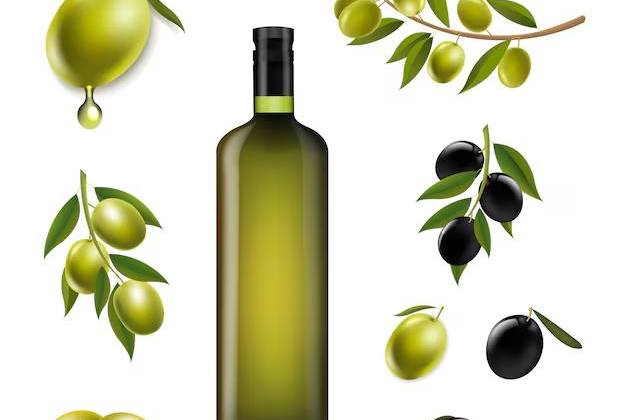
The Bottle: The bottle should be dark colored glass to protect against UV Ray exposure

The Taste: Authentic EVOO has a bright flavor with hints of fruit, grass, and almond, and a slightly bitter, peppery aftertaste. Low-quality or “fake” EVOO may taste dull, greasy, waxy, or crayon-like, or have no flavor.

So shop carefully and read those labels!

Have you ever heard of the French Paradox?

We all know that high saturated fat and high cholesterol foods are bad for our hearts, right?

The French consume more of these foods than we do, yet they enjoy significantly better heart health. This finding seemed to contradict other research that clearly linked fat-laden diets with increased risk for heart disease.

Many researchers attribute this paradox to the heart-healthy components of grapes. While the French may eat more fatty foods, they also drink more wine with their meals. The grapes used to make the wine are an extremely potent source of natural antioxidants including flavonoids.

Of all the potential vegetables, fruits, herbs, exotic berries, nuts, and roots that lead to a healthier heart, none compares to the purple grape. Purple grapes are filled with polyphenols that positively impact the interior of blood vessels unlike anything else.

That said, drinking wine every night is not a wise move for many for obvious reasons.

That’s supplement my diet with two of my very favorite ingredients daily!

Grape Seed/Skin Extract: A super-concentrated, natural extract associated with maintaining healthy blood pressure and supports healthy endothelial function. Grape skin includes many critical natural compounds that are extremely useful for a healthy cardiovascular system, called Anthocyanins. Anthocyanins are powerful polyphenolic compounds that are especially helpful in maintaining a healthy endothelial function.

Resveratrol: A polyphonic compound found in grapes and some berries. Resveratrol has been shown in lab tests to neutralize free radicals and is associated with a wide variety of beneficial physiological effects, including cardiovascular health. It is also associated with helping maintain healthy endothelial function. It’s suggested in several studies that resveratrol has a positive impact on diseases such as cancer.

Question: Do you look at the ingredients in your supplements? 

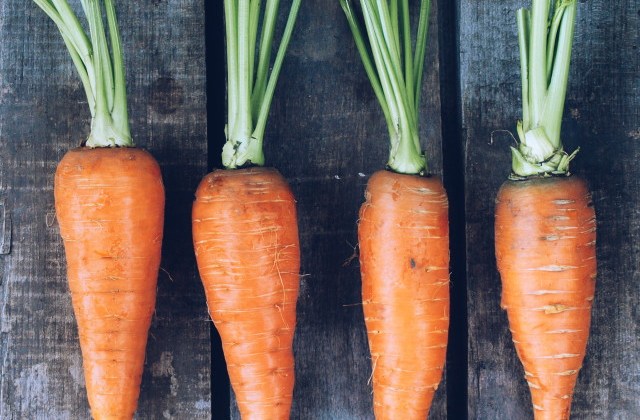
Is There Anything a Carrot Can’t Do?

Someone one once asked me “What do carrots do?” I absolutely couldn’t answer, other than providing vitamins for the eyes and vitamin A I had no idea of what carrots do!

Since then I’ve learned that there are three compounds found in carrots: falcarinol, luteolin, and beta-carotene, can all cause apoptosis (cell death) in cancer cells. Luteolin and beta-carotene are very anti-angiogenic, which means they help stop blood vessels supply to tumors.

Luteolin upregulates the tumor supressor gene p53 that is normally downregulated in cancer. It also down regulates the WNT-beta catenin, which is normally over-expressed in many cancers.
Luteolin downregulates P13k pathway. P13k regulates cell survival, proliferation and increased expression is associated with tumor progression.  When over expressed it reduces apoptosis (cell death) and allows proliferation.
Luteolin downregulates MUC1; a sticky protein that coats cancer cells in a protective layer, making it difficult for anti-cancer substances and medicines to permeate the cancer cell.
Luteolin activates AMPK . AMPK inhibits MTOR another pathway related to cancer progression.

Luteolin and Beta-carotene downregulate VEGF pathways that are over expressed in many cancers. VEGF pathway stimulates cancer cell growth.
Luteolin and Beta-carotene enhance insulin sensitivity!

Beta Carotene, luteolin, and falcarinol help repair normal function to the PPAR pathway, which regulates how certain genes are expressed and how fats and glucose are used in the body. It plays an important role in regulating cell proliferation and tumor growth.
Beta-carotene and luteolin down regulate MMP. MMP (matrix metalloproteinases) contributes to angiogenesis or blood supply to the tumor.

Falcarinol, betacarotene and lycopene lower inflammatory pathways by effecting TNF-A, IL-1, IL 6, and Cox-2.
Falcarinol suppresses the Notch pathway and shows the potent antiproliferative activity by selectively killing colorectal cancer cells and repressing tumor growth, without affecting normal colon epithelial cells! The study can be found here!
Falcarinol is a POTENT immune stimulator. Beta carotene and luteolin also stimulate the immune system.
Falcarinol, Luteolin activates PTEN, a major tumor suppressor gene.
Falcarinol induced a gut bacteria change in rats that led to a decrease in chemically induced neoplasms. Study here!
Falcarinol is antifungal and antibacterial!

Here’s a great article on retinoids in carrots potently repairing common dysregulated pathways in colorectal cancer, even the APC “genetic” polyp disorder associated with some colorectal cancers!

Endocannabinoid system- THC binds with CB1, so does carrots! Study here!

Carrots and terpenes. Carrots have 31 terpenoids! Terpenoids have been shown to potently inhibit cancer!

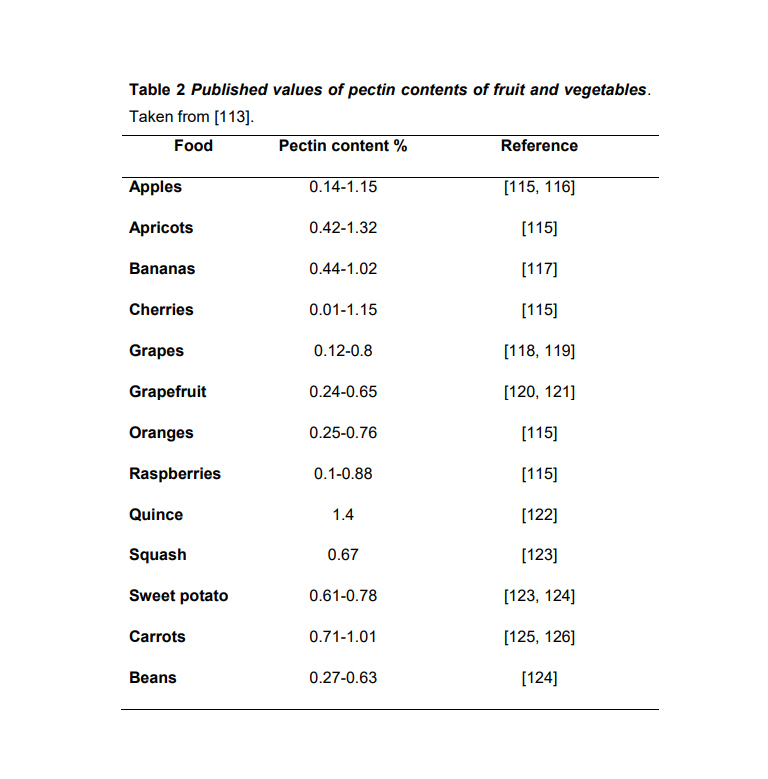
Carrots are high in pectin surprisingly! Pectins make it hard for cancer cells to adhere therefore, carrots help prevent metastasis. Pectins can also cause direct cancer cell death for some types of cancer. If you want more pectin, Modified Citrus Pectin is a supplement some people take.

If you’ve made it all the way through this article to ask “What about all that sugar?” A friend’s fasting blood sugar was pre-diabetic at 110 prior to diet change. Averaging about five pounds of carrots a day plus a fruit smoothie, it’s now around 70 NON-FASTING! Natural sugar is processed differently and each molecule of fruit/veggie sugar contains a plethera of anti-cancer substances!

If you’re interested in learning more about carrots and cancer, I highly recommend the book  Killing Cancer with Carrots!

I Love Olives

Picture an olive branch. It’s a symbol of both health and longevity.

And rightfully so. Olives contain components that benefit the brain and heart, reduce cancer risk, aid in weight loss and increase longevity.
Olives are high in monounsaturated fat. Studies show that a diet high in monounsaturated fatty acids are great for heart health because they

  • Reduce LDL cholesterol
  • Decrease Blood Pressure
  • Decrease A1c numbers
  • Improve Insulin sensitivity

Eating olives also increase our glutathione levels, which support our immune function. Plus, olives are fermented and fermented foods boost our microbiome and digestive health!

I add them to my salads or as a snack with my favorite cheese!

Always check the labels

Cellulose is actually mulched wood turned into a powder and yes, it’s in the Parmesan cheese.
Buy a block of Parmesan cheese and grate your own.

Melatonin 

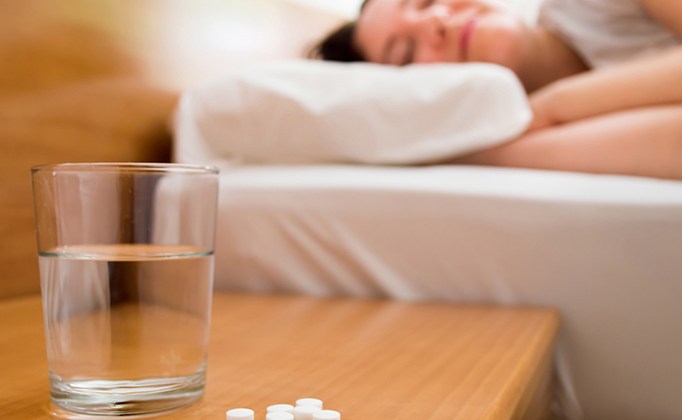
This hormone has been around a long time to help improve sleep. But research show that melatonin can have anti-cancer benefits too.
It’s been shown in several clinical studies to reduce side effect severity when taken along side chemotherapy and radiation. But adding melatonin to one’s daily regimen can help with survival rate and tumor regression.

How much melatonin should you take depends on your health and what your goals are.

To improve sleep, it’s generally suggested to take one to three mg of melatonin before bedtime. However, for those fighting cancer or who are in remission, human studies show that higher doses (20mg/night) can result in even higher survival rates by almost double.

It also can help minimize the negative effects of cancer treatments. 

  • Decrease the level of fatigue
  • Improve cognitive function (brain fog)
  • Protect agains lower platelet counts and neurotoxicity
  • Reduce symptoms of depression

Even if cancer is not your concern, we are exposed to so much artificial light (televisions, computers, phones, tablets, etc), that our melatonin levels can drop and our sleep cycles can be disrupted. 

Consider adding Melatonin to your supplements to help create a great night’s sleep!

Which is healthier?

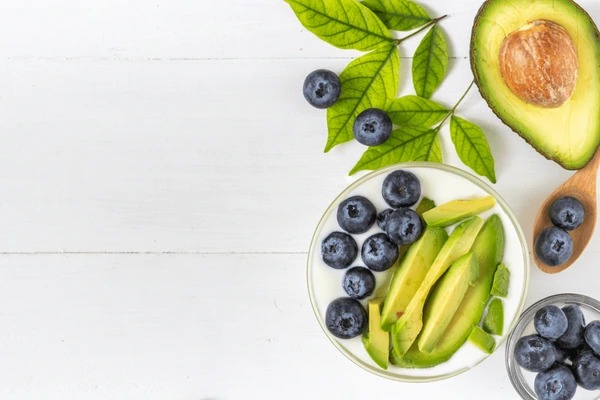
Avocado or Blueberries?

Both AARE considered a “superfood” so we obviously can’t go wrong with either one. But it’s good to view the differences if you have specific health goals.

  1. Avocado has more protein, healthy fat (Omega 3s), and fiber, while blueberries have more carbs. An easy win for avocado here, unless you’re on a calorie-controlled diet perhaps, since avocado is also higher in those.
  2. Avocado has more of vitamins A, B1, B2, B3, B5, B6, B7, B9, C, E, K, and choline, while blueberries are not higher in any vitamins. Pretty much a slam dunk here.
  3. Avocado is higher in minerals. It has more calcium, copper, iron, magnesium, phosphorus, potassium, selenium, and zinc, while blueberries are higher in manganese. Another win for avocados.
  4. Blueberries have about 1193x the polyphenol content that avocados do. Blueberries got the reputation for antioxidant properties for a reason; it is well-deserved!

Try adding an avocado to your salads to get more protein. Adding blueberries to your protein shakes and yogurt for healthy snacking!
How do you incorporate these snacks into your daily diet?

Fruits and Vegetables Can Help Prevent Cancer

In study after study, diets high in fruits and vegetables have been shown to lower cancer risk. Fruits and veggies are rich in polyphenols, flavonoids, dietary fiber and antioxidant vitamins and minerals that have a huge impact on fighting cancer. 
Unfortunately, many conventionally grown fruits and vegetables are loaded with unwanted chemicals like, glyphosate – the active ingredient in the weedkiller Roundup.
Glyphosate was introduced in 1996, found to be ‘probably carcinogenic’ in 2015, and in 2019, scientists at University of Washington reported a compelling link between exposure to glyphosate-based herbicides and increased risk for non-Hodgkin’s lymphoma.

Note: The Environmental Protection Agency (EPA) continues to insist that there is no evidence that glyphosate causes cancer in people. That said, Bayer, which acquired Monsanto in 2018, has shelled out over $10 million for current and future lawsuits involving glyphosate and NHL. 

To no surprise, eating a diet filled with organic fruits and veggies is linked with lower cancer risks. Five servings/day is optimal but even two servings/day can lower your risk by 10%. Just make sure you choose organic!

Holiday or Winter Party Punch

Serving A Punch At Your Next Holiday or Winter Party?

An ice ring is a great way to get creative and decorate any punch bowl filled with fresh juice.

INGREDIENTS
  • 6-8 cups of water
  • 3 sliced citrus fruits, like lemon or oranges
  • 1 cup raspberries, cranberries and/or strawberries
  • 1 cup sprigs of rosemary or thyme

Tip: You can use any combination of the recommended garnish ingredients you’d like just by following the basic steps. You can also use a juice recipe in place of the water if you want to add more color.

DIRECTIONS
  1. Fill a bundt pan halfway with water and let it sit in the freezer for a few hours until it’s almost firm but still a little slushy.⁣
  2. Add your choice of garnishes: slices of citrus, cranberries, raspberries, or herbs like mint, rosemary, or thyme. Push them down into the slushy part so they don’t all float to the top. Then, let the fruit set for at least an hour before filling the rest of the bundt pan to the top with water.⁣
  3. When you remove the ring from the freezer, flip it onto a plate. Run warm water over the top of the pan, and the ring will pop out of the mold onto the plate.⁣
  4. Freeze it until ready to use if you’d like, or put it directly into a punch bowl and add the fresh juices and sparkling water to the bowl.⁣

Santa’s Fiber Cookies

Add a little holiday wellness to your baking with FiberWise All Purpose!

To give a heart- and gut-health boost to your favorite recipe, simply replace 1/4 cup of flour with two scoops of FiberWise All Purpose. Or just try this tasty cookie recipe. It’s guaranteed to be Santa approved!