
Anti-Aging Tips To Live Longer

I often get asked what I do to look younger than my age and while it’s a great compliment to hear, there’s no short answer to the question. For some, it’s genetics, but that’s not my case. So here’s a list I happen to follow to fight the aging process:

  1. Consume a lot of vegetables, legumes, fruits, nuts and seeds
  2. Choose supplements carefully to prevent deficiencies (vitamin K2/D3, magnesium, B vitamins, and omega-3 fatty acids, resveratrol, etc). Most people are nutritionally deficient even if they eat healthy; and remember: Look for proof of cellular absorption and proof of performance. 
  3. Avoid sugary foods and drinks—especially those carbonated drinks!
  4. Avoid trans fats
  5. Significantly reduce your intake of omega-6 foods, like corn oil, sunflower oil, safflower oil, grapeseed oil, margarine, sesame oil, mayonnaise and most salad dressings 
  6. Consume more healthy fats, especially omega-3 fats, by consuming more walnuts, olives, olive oil, avocados, flax seed, chia seed, fatty fish, etc
  7. Reduce processed red meat such as sausages, salami, bacon, ham, hot dogs, etc
  8. Consume anti-aging foods like green leafy vegetables (broccoli, spinach, kale), blueberries, dark chocolate, salmon, walnuts, pomegranate, etc
  9. Avoid milk; it accelerates aging.
  10. Minimize alcohol
  11. Drink a minimum of 64 ounces of water per day—that’s eight glasses per day. Drink it often, the more the better.. 
  12. Fast regularly. Eat within a 12-hour period, so your body can fast for 12 hours. 
  13. Exercise moderately (ex: walking) for at least 20 minutes each day and intensely for at least an additional 20 minutes three times per week. 
  14. Optimize your sleep. Make sure you sleep enough and go to bed around the same time each evening.
  15. Consider taking melatonin. Besides improving sleep, melatonin can also extend lifespan and slow down aging
  16. Slow down skin aging by protect your skin against the sun’s rays: (always wear strong sunscreen, and a hat when going outside in the sun)
  17. Brush and floss! Good oral health slows aging and reduces heart disease and Alzheimer’s
  18. Consider nutrition to treat health concerns instead of medication. People often underestimate the side effects of medication. Also, most medications treat the symptoms, not the root cause. 
  19. Use high quality skincare (cleanser, toner, serum, moisturizer, eye cream, etc) but be aware that you don’t have to spend a lot of money on expensive skin care.
  20. Keep your protein up! Try to eat protein within an hour of waking up each day. We need more protein as we age and our bones need strong muscles to support them.

As always, if you need direction on any of these, just ask!
I loved those great smelling detergents

In fact, I was a Downy Unstoppables lover. I had no idea there were a variety of toxins and endocrine disrupters in those products.. Really, I had zero clue—I just loved the “smell-good” stuff.

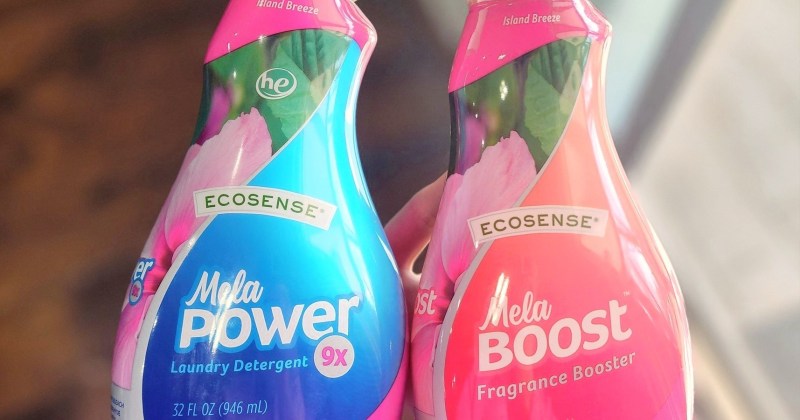
We stopped using Dreft because we discovered that just because there is a baby on the label does NOT make it safe for babies (or for anyone else of that mater) and stopped the Unstoppables to switch to this Ecosense brand almost years ago. I’ve never purchased any other brand laundry product since.

The reasons are simple. First, there is the safe-scent policy — I get great “smell-good” stuff without the toxins. This super-concentrated laundry detergent easily lifts stains and smells amazing. It uses safer ingredients (No chlorine bleach; No parabens; No phthalates; No formaldehyde; No bleach, No ammonia; No tricolsan; and No phosphates), reduces plastic waste and is more affordable per wash. Just one pump or 10 mL (that’s two teaspoons!) is all you need to clean a full load of laundry, and these products have s and NO recalls or lawsuits on any ingredients in any product throughout the whole store.

That’s unheard of today. Plus, the cost is lower— one small 32 oz. bottle is enough to wash 96 loads.
Can’t beat that!

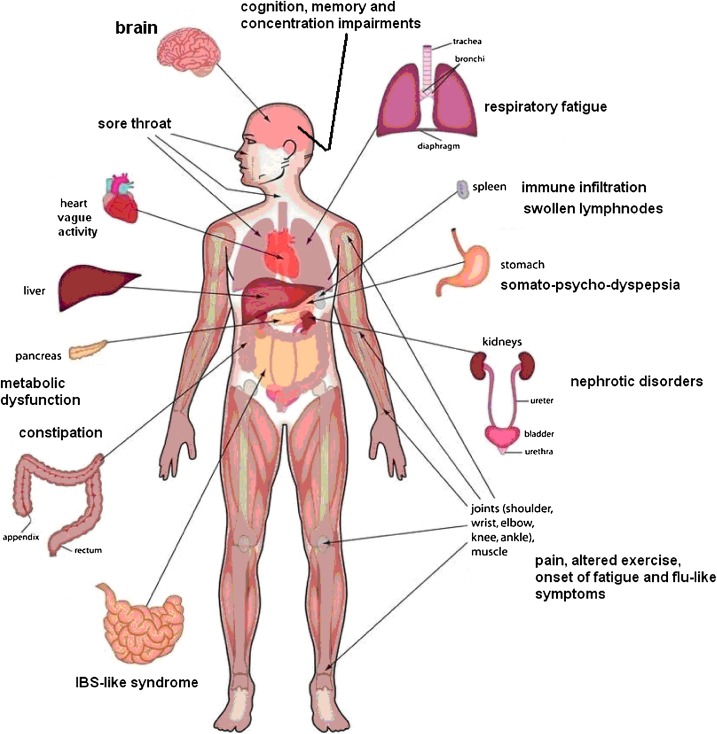
Chronic Fatigue Syndrome

Chronic Fatigue Syndrome (CFS) is a condition characterized by extreme tiredness or fatigue that doesn’t improve with sleep. It can often be misdiagnosed as depression which leads to improper prescribed anti-depressants.

Who is at risk for Chronic Fatigue? The top seven risk factors for chronic fatigue syndrome are:

  1. Women between the ages of 30 and 50.
  2. Being overweight
  3. Being inactive
  4. Having allergies
  5. Depression
  6. A stressful life
  7. Exposure to toxins

Technically, there is no cure, but there are steps you can take to address it. First, however, you have to know the root causes of CFS.

Root Causes of Chronic Fatigue Syndrome

Here are some common culprits of CFS (Chronic Fatigue Syndrome):

  • Viral, bacterial, or parasitic infections
  • Epstein-Barr virus
  • Heavy metal, toxic chemicals or mold 
  • Unhealthy digestive system and gut microbiome
  • Thyroid issues
  • Immune conditions
  • Adrenal exhaustion 
  • Hormonal Imbalances
  • Inflammation 
  • Mitochondrial dysfunction
  • Nutritional deficiencies 
  • Hypertension 
  • Mental stress

Pretty big list, right? So it’s important to not “self diagnose” an issues that’s not there. 
If you do have a proper diagnosis, here’s a few steps you can take to feel better:

  1. Eat a well balanced diet
  2. Consult about proper supplementation. Chances are you are deficient in more than one area
  3. Exercise within your limits
  4. Go to bed and get up at the same time every day

As always, I’m here to help in any way I can!

Omega 6 vs Omega 3

Both are important! But getting too much of one can be harmful to your health.

Omega-6 fatty acids are essential for human health and have many benefits, including: 

  • Heart health: Omega-6s can help lower LDL cholesterol and increase HDL cholesterol, which can reduce the risk of cardiovascular disease. 
  • Brain function: Omega-6s play a crucial role in brain function, along with omega-3 fatty acids. 
  • Growth and development: Omega-6s are necessary for normal growth and development. 
  • Bone health: Omega-6s help maintain bone health. 
  • Metabolism: Omega-6s help regulate metabolism. 
  • Reproductive system: Omega-6s help maintain the reproductive system. 
  • Insulin sensitivity: Omega-6s help improve the body’s sensitivity to insulin, which can help keep blood sugar in check.

Here’s the problem:

Omega 6’s can promote inflammation and the typical American diet contains 14 to 25 times more omega-6s than omega-3s, which reduce inflammation. So that’s why the balance of these two superstars is very important!

We should strive for a 1:3 ratio of Omega 6 vs Omega 3, meaning we should have 3 grams of Omega 3 for every gram of Omega 6.

You cannot have too much Omega 3’s!

Magnesium Deficiency and Cancer

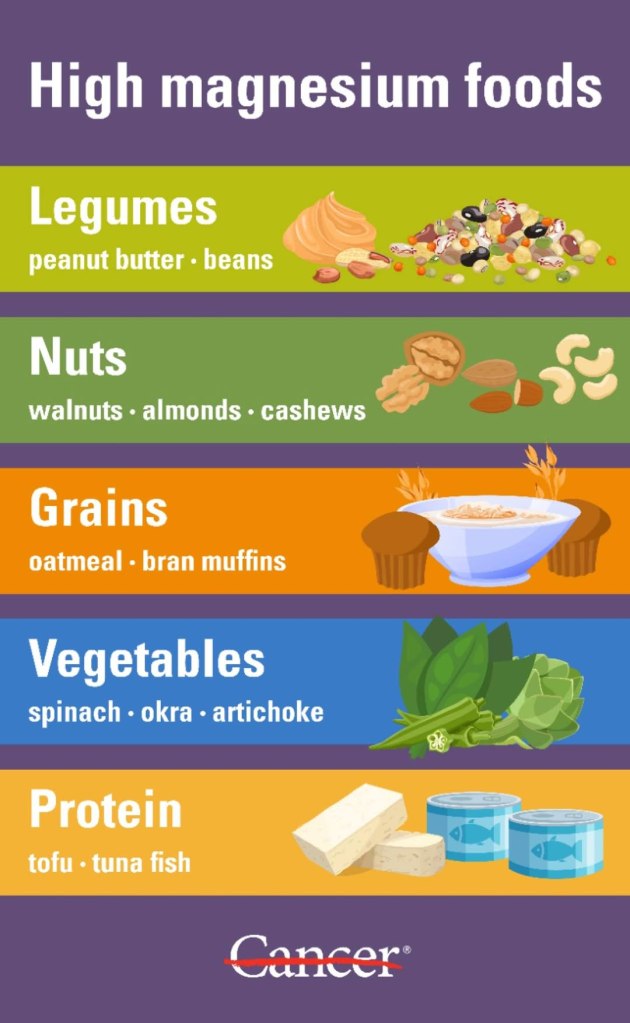
Magnesium deficiency is a risk factor for multiple cancers. This essential mineral helps maintain proper immune function and regulates inflammation, both of which are important factors in cancer prevention.

Good sources of magnesium include:

  • Leafy greens
  • Fruit 
  • Chocolate 
  • Dairy (grassfed is easier to digest)
  • Beef 

But still….. it’s hard to get the necessary requirements so supplementing is important. I prefer a powder magnesium that i can easily add to my water, lemonade, protein shakes, etc. It’s one less pill to swallow, but i can also increase dosage if I prefer. Also, I recommend looking for a magnesium supplement that also has Vitamin B6. It works beautifully with this mineral for quicker absorption.

How to Add More Fiber to Your Diet

If you are looking to lose some weight or balance your blood sugars, turn to fiber to help you reach that goal.
Here are a few easy steps:

  • Increase your fiber intake gradually. Consuming a lot of fiber at once can have unintended consequences; such as constipation. To ensure a smooth transition, try increasing your fiber intake by five grams daily until you reach your goal.
    As long as each meal contains roughly 10 grams of fiber or more, you’ll consume enough.
  • Fill your pantry with shelf-stable ingredients. Keep items like nuts, seeds, and canned beans on hand since they have a longer shelf life and are easy to add to meals. You can sprinkle slivered almonds on a salad for a crunchy boost, coat baked salmon in a flaxseed crust, or add beans to a vegetable soup.
  • Double up on vegetables. Most vegetables contain some fiber, but certain options are better than others. Veggies high in fiber include artichokes (yum!), Brussels sprouts, spinach, broccoli, and carrots. (Pumpkin and avocado are also high in fiber but are actually fruits.)
  • Don’t forget about fiber-rich snacks. If you know you’re falling short on fiber in your meals, use snacks to balance out your daily needs. Think toasted and spiced nuts, vegetables, and fruits like raspberries and apples. Pair with a source of protein or fat (like cheese) to slow the release of sugar into your bloodstream.
  • Add fiber to every meal. Thirty to fifty grams is a lot of fiber; you don’t want to eat all of that at once, or your GI tract may suffer. It’s better to break it up to include fiber in every meal and snack. That could look like a chia pudding for breakfast, a salad with crispy chickpeas and avocado for lunch, or a bowl of chili served over cauliflower rice for dinner. 

If you don’t know what your fiber goals should be, think 28+ grams/day for women and 34+ grams/day for men.

Live Longer With A Daily Walk

Here are the facts:

  • If Americans over 40 walked as much each day as the most physically active members of the population, they could extend their life span by at least five years, a new study finds.
  • The least physically active 25% of the population stood the most to gain, according to the predictive model: For each hour of walking they do, they can extend their life by about 6 hours.

Christopher Schneble, MD, Yale Medicine sports medicine physician and assistant professor of orthopaedics and rehabilitation at Yale School of Medicine (who was not involved in the study) says……

“Engaging in physical activity can result in improved preservation of bone density, improved strength, reduced body fat, and better cardiovascular health. It can also lead to improvements in both mood and cognitive function. Improving things like heart rate, blood pressure, or the amount of excess body fat can all help decrease how hard the heart must work to pump blood throughout the body, which in return is protective.”

So schedule in some time to walk and set a goal to walk every day! Your body will thank you for it!

Your Dinner Time Can Impact Your Metabolic Health 

I don’t know about you, as I get older, my dinner hour keeps getting a little earlier. Can anyone relate?
In reality, that’s not a bad thing. You know, that old advice to stop eating a few hours before bedtime exists for a good reason: 
Late night snacking may disrupt your sleep, add to weight gain, and increase your risk of Type 2 diabetes. 
Late night eating can have these consequences: 

  • Bigger Blood Sugar Spikes (which leads to a host of health problems)
  • Altered Fat Metabolism (it encourages fat storage)
  • Lower post-meal metabolic rate (you don’t burn calories as efficiently)
  • Great hunger (even though food intake was the same when compared with those who ate at an earlier hour)
  • Difficulty in losing weight 

It’s not always easy, but with a little planning, you can have your dinner and your evening walk too!

My amazing home security system.

Love my Health and Wellness store! Not only are the products that I buy amazing, but I can’t get over the many benefits that they have as well.

With all the home invasions. home burglaries, cars being stolen in surrounding neighborhoods,it’s great to know I don’t have to go far to get an amazing home security system.

Are YOU Still on Track to Make 2025 Your Healthiest Year Yet?

You shouldn’t wait until you have a health problem and then try to play catch up. I was fortunate because I caught things early and reacted fast with a protocol that worked. I still follow that protocol! But I always wonder had I been lazy in the beginning, would we have even had these health issues at all?

But more often than not, people take their health for granted and when there’s a problem, they drag their feet. They put all their trust into the medical community (which we absolutely must use) but it’s been my experience that we must all be our own health advocates in the process!

I invite you to let me help you review your nutrition protocol so you can make 2025 your healthiest year yet!