Some benefits of walking

A lot of people say they’d like to get in more exercise, but can’t seem to find the time.
Often, it’s just that you don’t feel like taking the time to go to the gym, or going for a run or a swim.
It’s work. You have to change your clothes, You’ll get sweaty. Then you need to shower and change back.
If there was only an easier way…

There is. Just walk more. You can add more walking or steps to your day simply by making a few simple changes
to your routine.

If you have a dog, you can take them on longer walks. By adding a few extra minutes or blocks to your daily walks,
you will increase your exercise and both you and your dog will benefit.

When running errands, you can park your car a little further away from entrances, Parking further away from the
entrances with give you additional steps. Walking to the mailbox will also help give you added benefits.

So how does walking benefit you?

• Walking 75 minutes each week can add two years to your life

• Walking for 40 minutes three times per week will protect your braine’s memory

• Walking 30 minutes a day can reduce depression by 30%

• Walking 60 minutes every day can cut obesity risk by half!

The best part is that walking doesn’t need to be done all at once in the day, it’s cumulative.
You can take four fifteen-minure walks and it will be akin to a single 60-minute walk. Walking
is easy to fit into your schedule. There is no need to change clothes, all you need is a decent pair
of comfortable, supportive shoes to do your best walking.

So let’s get out there and start walking!

Size Does Matter! – NMR Particle Size Testing for Your Cholesterol!

Next time you go in for your labs, be sure and request a “Particle Size Testing”for your cholesterol. It’s a far more accurate way to measure cholesterol and you can get it done at Quest.

Here’s what doctor’s are discovering:

50% of Americans fall in the category of “high cholesterol” but depending on the size of the cholesterol particle, you may be just fine.

Cholesterol particle size refers to the size of the lipoproteins that carry cholesterol in the blood. The size of LDL particles can vary. Some are small and dense; others are large and fluffy. Believe it or not, you want large and fluffy. Small dense LDL particles are associated with a higher risk of heart disease that larger particles.

So it’s possible to have a high LDL count but if your particles are large and fluffy, it’s highly probably you would not need any medications. If your LDL is low, but your particles are small and dense, you very well might be in a concerning situation.

You should insist on this test when you go in for your next annual physical.

Cancer cases in under-50s worldwide up nearly 80% in three decades, study finds

More than a million under-50s a year dying of cancer and figure projected to rise by another 21% by 2030

Global cases of early onset cancer increased from 1.82 million in 1990 to 3.26 million in 2019, while cancer deaths of adults in their 40s, 30s or younger grew by 27%. More than a million under-50s a year are now dying of cancer, the research reveals.

 The authors of the study, published in BMJ Oncology, say poor diets, alcohol and tobacco use, physical inactivity and obesity are likely to be among the factors.

“Since 1990, the incidence and deaths of early onset cancers have substantially increased globally,” the report says. “Encouraging a healthy lifestyle, including a healthy diet, the restriction of tobacco and alcohol consumption and appropriate outdoor activity, could reduce the burden of early onset cancer.”

Tho read the full article, click here.

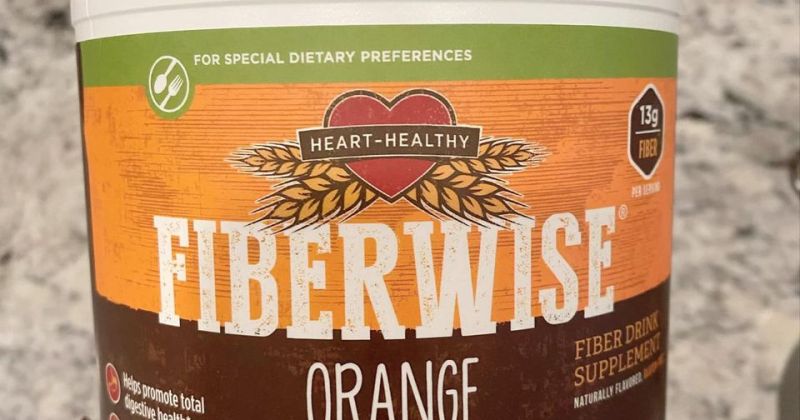
Do you do FiberWise?

I do! Why? Because FiberWise contains a unique blend of multiple fiber sources along with vitamins, antioxidants, soothing herbs, and probiotics that gives a broad spectrum of full-body benefits.

I like it because it promotes digestive health. According to research, a high-fiber diet helps reduce the risk of many serious health concerns in the digestive tract.
It promotes healthy weight loss. I know it helps me feel fuller longer helping to reduce overeating, which in turn helps prevent weight gain and makes it easier to shed excess pounds. Plus there is an added benefit that it helps to reduce the risk of heart disease.

How? Well, soluble fiber may help lower total blood cholesterol and LDL cholesterol, which may in turn help lower the risk of heart disease. Supposedly it helps do this by “sweeping away toxins and waste throughout the body. Fiber helps keep toxins from recirculating in the bile and blood, and speeds the passage of waste from the body. another benefit is that it supports immunity by providing food for the “friendly” bacteria in your large intestine that fight the growth of harmful bacteria and contribute to immune support throughout the body. who can forget the primary selling benefit of fiber? It improves regularity. According to research, a high-fiber diet may help promote a healthy digestive tract.

How does it work? Well, fiber is a component of plant food that is never broken down and absorbed by the body—allowing it to perform important functions that no other food can. The two forms of fiber, soluble and insoluble, both play important roles in maintaining optimal health. 

One of the most treasured forms of fiber is psyllium husk. A flowering annual shrub-like plant, psyllium is a rare, unique ingredient that delivers the perfect balance of soluble and insoluble fiber in small, almost tasteless doses.

Psyllium is 68% soluble fiber and 32% insoluble fiber. Just seven grams of this precious fiber a day may reduce the risk of heart disease. Two servings of FiberWise drink a day will provide 7.0 – 8.0 grams! Diets low in saturated fat and cholesterol that include those seven grams of soluble fiber per day from psyllium husk may reduce the risk of heart disease. One FiberWise bar provides 1.7 grams and one serving of FiberWise drink provides 3.5-4.0 grams of this soluble fiber.

SOLUBLE FIBER. Soluble fiber dissolves in water and forms a gel-like substance during digestion. In this form, it traps excess sugars, fats, and cholesterol as it moves through the intestines, helping sweep them out of the body. It also plays an important role in lowering LDL blood cholesterol and reducing blood glucose levels after eating.

INSOLUBLE FIBER. Insoluble fiber is never dissolved. Instead, it acts like a sponge, soaking up to 15 times its weight in water. Its primary benefit is to provide bulk, which can help promote feelings of fullness while also speeding up the movement of food through the digestive system, promoting regularity.

HOW FIBER HELPS CLEANSE YOUR BODY OF TOXINS. The liver begins producing a substance necessary for digestion called bile. Bile is made of acids as well as cholesterol. Bile is stored and concentrated in the gallbladder until foods that contain fat are eaten. After eating, the bile is dumped into the small intestine, where it breaks up fat, grease, and food particles. At the lower end of the small intestine, the bile is broken down into its individual component parts—cholesterol, fat, toxins, and wastes. If there is an adequate amount of fiber in the intestines, the fiber binds up the cholesterol, fat, and toxins and sweeps them out of the body. If there isn’t enough fiber in the intestines, the toxins reenter the bloodstream and are recirculated throughout the body. These toxins will eventually reach the liver. This forces the liver to process them again and dump them into the intestines in the next batch of bile. That’s a lot of work!

To help my system run in peak condition, I use Fiberwise either in the drink form (Orange or Raspberry) or, in the newer powder that is tasteless and can be added to my foods, such as home baked muffins, pancakes and waffles or even soups and gravies. FiberWise is formulated with a unique, proprietary fiber blend of psyllium, oat, apple, rice bran, chicory root, maltodextrin fiber, and fructooligosaccharide (FOS). FiberWise also contains a proprietary blend of soothing herbs, antioxidants, and probiotics to make each one a truly one-of-a-kind health supplement.

Soothing herbs such as ginger help reduce occasional intestinal gas and bloating, while peppermint and licorice root help balance intestinal flora and soothe mild indigestion. Antioxidants such as vitamins A, C, and E help fight free radical damage during digestion and throughout the entire body. Probiotics such as Lactobacillus acidophilus are “friendly” bacteria that help break down food in the intestines as well as create an environment that keeps “bad” bacteria in check.

On a daily basis, 95% of Americans are only getting about half as much fiber as they need. A single glass of FiberWise provides 13-15 grams of healthy fiber to help you meet your optimal daily fiber. To read more click here.

FiberWise Chart Description

Gluten Free Challenges

If you must (or choose) to go gluten-free, one of the challenges is getting enough dietary fiber. 
Why is that, you may wonder.

You see, on a typical diet, your doctor might tell you to eat more healthy whole grains, like wheat bran, whole wheat bread and cereals to increase your fiber intake. That can be a problem for those with celiac disease who are on a gluten-free diet since many gluten-free foods are low in fiber.

The good news is that there are plenty of gluten-free alternatives to whole wheat that are still high in fiber.

There are two types of dietary fibers – soluble and insoluble.
Soluble fiber soaks up water as it passes through your system, which helps bulk up your stool and guard against diarrhea. Examples of foods with soluble fiber include:

  • Legumes (beans, peas, lentils, chickpeas, soybeans)
  • Fruits (apples, pears, oranges, prunes)
  • Vegetables (carrots, broccoli, Brussels sprouts, eggplant)
  • Sweet potatoes
  • Ground flax seeds and chia seeds

Insoluble fiber helps prevent constipation. Examples of foods with soluble fiber include:

  • Quinoa
  • Buckwheat
  • Millet
  • Wild and brown rice
  • Nuts (almonds, walnuts, pecans)
  • Fruits (strawberries, papayas, mangoes)
  • Vegetables (cucumber, asparagus, okra)

When consuming a diet rich in fiber, it is important to drink water to prevent constipation. Consuming about eight (8-ounce) glasses per day is recommended for adults.

To go gluten-free or not: That is the question!

Actually, it’s not that simple.

There are benefits of going gluten free, true. For those with celiac disease, it’s a priority! If you don’t have celiac disease, there are several things to consider before going gluten-free:

  • Lack of fiber. Most Americans already miss the mark on fiber. Women require 28 grams of fiber/day, men need 35 grams. The average American gets less than 15 grams a day. That means you will need to think about taking a fiber supplement.
  • Increased risk of Type II Diabetes. Research showed that when participants ate gluten, they were less likely to be diagnosed with type 2 diabetes. The study showed that the more gluten in the diet, the lower the risk of diabetes. Fiber, vitamins and nutrients found in healthy foods containing gluten proved to be beneficial to the overall health of the participants.
  • Weight Gain. Many gluten-free baked items like muffins, cookies or brownies are higher in calories and sugar than their ‘normal’ gluten-containing counterparts. That’s because the items still need to taste good and offer similar texture, but one one item is removed another is there to take it’s place and it can be in the form of a higher sugar or fat content. Because people are tricked into thinking they’re making a ‘healthier’ decision when they choose a gluten-free diet, they often don’t take the time to check labels and nutrition facts. This can lead to weight gain and mote unhealthy choices.
  • Lack of essential vitamins and nutrients. Switching to a gluten-free diet by choice means you also need to be mindful of what you eat. This makes it more difficult to maintain a balanced diet, which may lead to completely unnecessary added stress in the grocery store aisles for limited benefits. Reseach shows that people on a gluten-free diet have increased levels of heavy metals in their blood and urine – possibly due to the increased consumption of rice in gluten-free foods.

Making the choice of going gluten-free is not an easy one. Based on the way that gluten works, it’s an all or nothing decision. If you think going gluten-free is for you, please do your research.

THE CANCER/FIBER CONNECTION 

Colorectal cancers are the third leading cause of cancer mortality rates in the US with over 100,000 new cases of colon cancer and over 40,000 new cases of rectal cancer reported in 2020.

There is evidence linking that eating a high-fiber diet from whole grains and cereals can lead to a lower risk for colon cancer. Fiber also improves satiety and prevents overeating. It prevents obesity, which is linked to higher cancer risk. Healthy sources of fiber include barley, beans, nuts, fruits, and peas.

But getting enough fiber every day can be challenging. Women need 28 grams/day and men need 35 grams. So here’s my tip:

Russ and I add our Fiber mix to our protein shakes. By mixing it in the blender, you’d never know we were drinking fiber! Plus one serving of my favorite fiber mix is 15 grams! That makes it super easy to get the right amount every day!

But here are other ways to add 15 grams of fiber:

  • Breakfast: Switch from juice to ½ to ¾ cup of fruit on cereal, sliced on toast or eaten out of hand: + 2 more grams of fiber
  • Lunch: Swap 2 slices white bread for whole-wheat bread: + 2 grams of fiber. Instead of potato chips, choose 1 cup of raw pepper strips or other vegetables: + 1 gram of fiber
  • Afternoon snack: Instead of a candy bar, tide yourself over with an ounces of nuts: + 2-4 grams of fiber
  • Dinner: Replace part of the chicken or meat in your stir-fry, chili or casserole with ½ cup of black beans or lentils: + 8 grams of fiber
  • TOTAL: 15-17 grams of additional fiber

Fiber matters!

Five Benefits of Green Tea 

Green Tea has always been an iconic health drink and for good reason. Check this out:

1. It can provide calm, sustained energy

Green Tea has both caffeine and L-theanine, an amino acid. When caffeine and L-theanine combine, they have a synergistic effect that is powerful for brain function.

2. It Protects You from Cognitive Decline 

Research shows how drinking green tea daily lowers the risk for cognitive impairment, while green tea extract enhances working memory.

3. Green Tea Is Good for Your Skin 

The polyphenolds in green tea helps to eliminate free radicals caused by pollution and UV radiation. It can also help with DNA repair and even help prevent skin cancer.

4. It Can Help with Weight Loss 

One study found that both the catechins and caffeine in green tea help support energy metabolism, which can lead to weight loss. Another found that the synergistic effect of catechins and caffeine is what drives weight loss for tea drinks.

5. Green Tea Can Protect You From Type 2 Diabetes 

It may increase insulin sensitivity and reduce blood sugar levels. Plus, evidence shows that it lowers the risk for diabetes by 18%.

This year, try rotating green tea in your morning routine!

Health Benefits of Berberine

I lost count how many posts I have seen recently about Ozempic !

Taking it for weightloss can have negative consequences on your health. I actually know a few people who ended up in the hospital from taking it and they’re not diabetic.

What if there was a natural alternative?

Berberine.

Berberine is a compound found in many plants, including European barberry, phellodendron, Oregon grape, goldenseal, and goldthread. These plants have historically been used to treat everything from infection to sores.  

The first traces of berberine being used medicinally are found more than 3000 years ago, when the barberry plant and its relatives were being cultivated in China and South Asia. The stems, leaves, and bark of the plant were used in a variety of ways. Evidence also shows that berberine-containing plants were used in South America, the Middle East, and Europe to treat different conditions.

What are the benefits of Berberine? I’m hearing a lot of things. From being investigated as a treatment for diabetes; lowering blood pressure and cholesterol to polycystic ovary syndrome (PCOS). 

.One friends doctor put her on these rather than Metformin. Being that I have recently been diagnosed with diabetes, I’m going to give this a try (after discussing with my doctor, of course!) to see if this will be a better alternative for me. In fact, I’m hearing phrases like “Nature’s Ozempic” because it has been shown to lower glucose levels in people with diabetes. Studies show that it helps your body respond better to insulin and prevents your liver from creating more glucose. As a result, people with diabetes may find berberine helps lower their blood sugar levels and help with weight loss..

I found this article from WebMD That goes into more detail about this potential solution:: https://www.webmd.com/diet/berberine-health-benefits

As with any health supplement, it’s best to consult your doctor before you start taking berberine.

Look what came today!

Got my deliver of Riverbend Ranch Black label beef .

It containa:
• No hormones
• No antibiotics, ever!