The perfect workout team

Meet my post workout team!

Access for pre-workout. Recovery AI and Pain-A-Trate for post-workout.

They definitely make my workouts better and the results show it!

Risk Factors for Diabetes

They say knowing is half the battle. 

Lately, many of my friends have been telling me their doctors are telling them, “You need to be concerned about Diabetes” after review their latest lab work. 

Many of these individuals are being told they are Pre-Diabetic. With one in every three people being diagnoses as Pre–Diabetic, it’s not a surprise.

Once your doctor mentions Pre-Diabetes be prepared for lab work that contains tests for glucose, A1C, Homocysteines, C Reactive Protein, D3, cholesterol and liver tests. All tests to ascertain Type II Diabetes. 

If we know what to look for, we can help prevent it or at the very least hold it off from developing quicker. It really does help to stay in front of this disease! The best way to start is to know the risk factors.

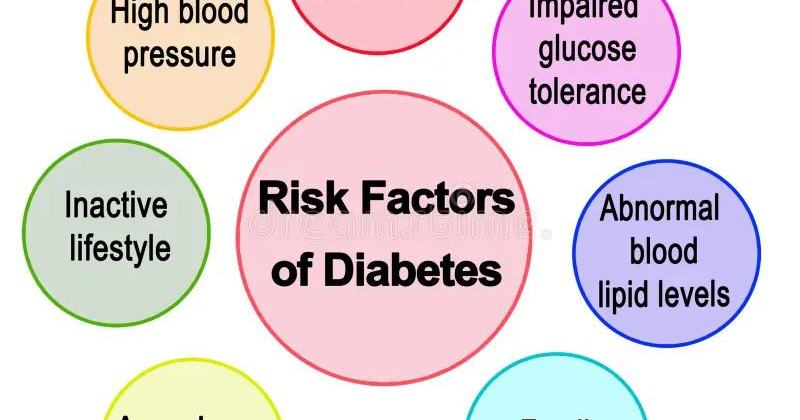
Risk factors for Type II Diabetes:

  • Weight. Being overweight or obese is a main risk.
  • Fat distribution. Storing fat mainly in the abdomen, rather than the hips and thighs, indicates a greater risk. The risk of Type II diabetes is higher in men with a waist circumference above 40 inches and in women with a waist measurement above 35 inches.
  • Inactivity. The less active a person is, the greater the risk. Physical activity helps control weight, uses up glucose as energy and makes cells more sensitive to insulin.
  • Family history. An individual’s risk of Type II diabetes increases if a parent or sibling has Type II diabetes.
  • Blood lipid levels. An increased risk is associated with low levels of high-density lipoprotein (HDL) cholesterol (the “good” cholesterol) and high levels of triglycerides.
  • Pregnancy-related risks. The risk of developing Type II diabetes is higher in people who had gestational diabetes when they were pregnant and in those who gave birth to a baby weighing more than nine pounds.
  • Polycystic ovary syndrome. Having polycystic ovary syndrome, a condition characterized by irregular menstrual periods, excess hair growth and obesity, increases the risk of diabetes.

If you or a loved one display any of these symptoms, please get a physical and request the labs above it’s better t catch it early!

Eye-opening statistic about functional movement

Here’s an eye-opening statistic for you! 

“The average person loses 30% of their muscle by the time they reach 60!
This can lead to many health issues including loss of balance, less mobility, as well as decreased bone density — all of which can lead to falls and fractures.

According to Johns Hopkins Medicine, studies suggest that among those 50 and older, up to one in two women and up to one in four men will break a bone due to osteoporosis. Even a minor fall or bump can result in broken bones for those suffering from bone density loss. 

Strength training for the aging population — and by that, I mean anyone 50 and over — is tremendously important as it can help to reduce the risk of falls and bone breakage. The great news is that it’s never too late to start…and it doesn’t have to be complicated! 

We all are getting older. Exercises that combine functional strength skills with mobility exercises with help us move better and reduce the risk of injury! 

Here are just a few benefits of functional movement and strength training:

  • Reduced Fall Risk 
  • Better Balance and Stability
  • Improved Mobility
  • Decreased Pain and Stiffness
  • Increased Strength and Stamina
  • Greater Ease When Performing Daily Activities

By incorporating functional strength training two to three days a week and aerobic exercise (such as brisk walking) three to four days a week, you can experience greater control and improve the quality of your life!

Why 10,000 Steps?

I used to think 10000 steps a day was more than I could handle—some days I barely logged a thousand steps. Really! I wasn’t walking a lot. I was going from my home to my car, then parking close to the door at work and to my sedentary desk job. At the end of the day the process would be done in reverse. I thought I was getting enough steps in —I swam at the pool and I rode my bike but that was about it. The health club I belonged to held a month-long 10,000 steps challenge for the members. I admired my friends who monitored their steps on their smart watches, and logged in impressive numbers of steps throughout the challenge. The concept was interesting, but with my schedule, I just couldn’t seem to bypass 5,000 steps in one day.

Then I got a new job. It required me to be on my feet most of the time working with customers. Suddenly, my feet hurt. I needed better shoes. I quickly found out shoe choices were a hot topic among my coworkers. The better the shoe for walking, the less you ached at the end of the day! I quickly found good sneakers. Soon I was logging more than 10,000 steps a day. A lot more. Most days I would log 22,000 steps.

I had always wondered why experts chose 10,000 steps. I discovered for me, 10,000 was equal to walking about five miles—so I became more active. Yay! But my research also shows there’s science behind the actual number.

  • A study in JAMA Neurology found a possible link between walking 10,000 steps per day and a reduced risk of developing cardiovascular disease, 13 types of cancer, stroke, and heart failure
  • Research indicates a link between walking and improved mental clarity and the creative flow of ideas.
  • A study of over 72,000 people found that walking 9,000–10,000 steps per day may reduce the risk of death by more than a third.
  • Walking an extra 10,000 steps per day can burn 2,000–3,500 calories per week, which could lead to weight loss depending on your weight and exercise intensity.

I still try to get in 10,000 steps per day, no longer for health reasons but because I enjoy it and my canine companion does too!

Want to Slow Down the Aging Process?

AVOID THESE 8 HABITS

Often, we are attracted to products that will help us slow down the aging process, such as anti-aging skin care. But what about taking a proactive approach to staying young by AVOIDING habits that ACCELERATE the aging process?

When you read the Fox News article , overall, none of this should be new to you by now, except #8. That might be a surprise. But the two habits that you have the most control over are #3 and #4. 

  • “A nutrient deficient diet has been shown to accelerate aging, experts agree.” That’s why we need to supplement. Several essential minerals are missing from our food these days.
  • “A diet high in processed foods, sugars and unhealthy fats can cause inflammation, damage collagen and accelerate skin aging.” A recent study claims that eating a hotdog reduces life expectancy by 38 minutes, and eating salmon could extend it by 70 minutes. So it’s a good idea to watch how often you eat processed foods
  • “Lack of exercise contributes to aging by causing muscle loss, bone density reduction, weight gain and cardiovascular issues.” No surprise here. We all have been repeatedly told exercise is foundational to our health—so what will be you’re exercise of choice. Mine is rowing..

Which habit can you most easily improve upon?

Click here for the Fox News Article

What a gorgeous Spring day to be able to get outside and get some steps in! There’s a nice cool breeze blowing, birds are singing, the squirrels are running around and I smell the jasmine blooming. Walking always helps clear my mind and I know it’s good for my health. Make it a great day.

Play Like A Child 

What comes to mind when you think of exercise?

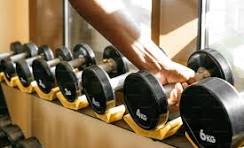
  • Working out with weights?
  • Getting on the treadmill machine?
  • Riding that new Peloton you got for Christmas

Studies show that when we step beyond the indoor workouts and step outside into nature’s playground, our serotonin levels rise! So as you plan your exercise schedule, be sure you work in activities that take you outside:

  • Hiking 
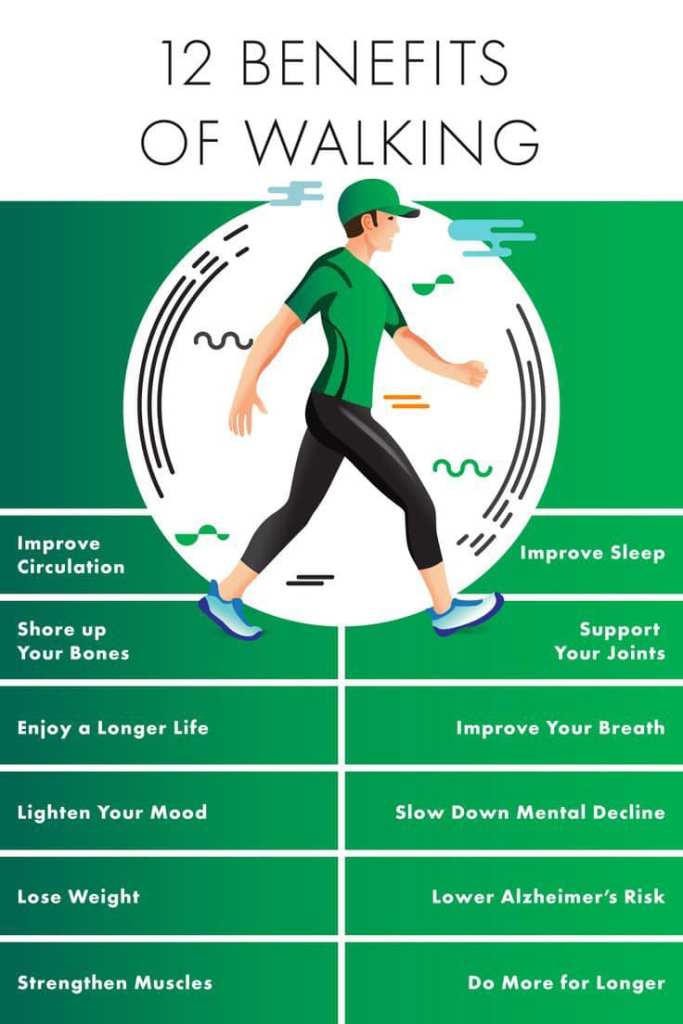
  • Walking
  • Running 

When we breathe in that air, when we let the sun shine on our faces, we are waking up our senses. Something truly amazing happens when we allow ourselves to play:

More of our bodies wake up! 

Be sure you get out and walk today!

Thought for Sunday

Worry less, dance more: Life’s a dance. The music will never be perfect, but don’t let that stop us from enjoying the rhythm!

Did you know prolonged sitting…

If you sit for more than 11 hours a day, there’s a 50% chance you’ll die years earlier. 

‘Exercise does not offset health risks,’ say AHA

Sedentary behavior can raise the risk of heart disease, diabetes, and other conditions, even among people who are physically active. This is according to a new scientific statement from the American Heart Association.

Read more about these health risks in Medical News Today here.

How Do You Recharge?

When you have a long stressful week, what do you do to re-center yourself—that is, Recharge your batteries?

  • Do you pamper yourself with a facial or massage?
  • Do you exercise or go for a walk/hike?
  • Do you read a book?
  • Journal?

I love journaling! I process my thoughts every morning in silence with a cup of coffee and my birds outside. I have a wonderful prayer journal from Val Marie Paper Company. Val Marie Paper

Whether you decide to go shopping, swimming, biking, hiking, dancing or singing karaoke it should be something you enjoy and brings you back to the task at hand revitalized and energized.

I think today I’ll go listen to a great live band, and dance, dance, and dance on the beach.

Share with us your best tips for taking care of yourself?