How to Add More Fiber to Your Diet

If you are looking to lose some weight or balance your blood sugars, turn to fiber to help you reach that goal.
Here are a few easy steps:

  • Increase your fiber intake gradually. Consuming a lot of fiber at once can have unintended consequences; such as constipation. To ensure a smooth transition, try increasing your fiber intake by five grams daily until you reach your goal.
    As long as each meal contains roughly 10 grams of fiber or more, you’ll consume enough.
  • Fill your pantry with shelf-stable ingredients. Keep items like nuts, seeds, and canned beans on hand since they have a longer shelf life and are easy to add to meals. You can sprinkle slivered almonds on a salad for a crunchy boost, coat baked salmon in a flaxseed crust, or add beans to a vegetable soup.
  • Double up on vegetables. Most vegetables contain some fiber, but certain options are better than others. Veggies high in fiber include artichokes (yum!), Brussels sprouts, spinach, broccoli, and carrots. (Pumpkin and avocado are also high in fiber but are actually fruits.)
  • Don’t forget about fiber-rich snacks. If you know you’re falling short on fiber in your meals, use snacks to balance out your daily needs. Think toasted and spiced nuts, vegetables, and fruits like raspberries and apples. Pair with a source of protein or fat (like cheese) to slow the release of sugar into your bloodstream.
  • Add fiber to every meal. Thirty to fifty grams is a lot of fiber; you don’t want to eat all of that at once, or your GI tract may suffer. It’s better to break it up to include fiber in every meal and snack. That could look like a chia pudding for breakfast, a salad with crispy chickpeas and avocado for lunch, or a bowl of chili served over cauliflower rice for dinner. 

If you don’t know what your fiber goals should be, think 28+ grams/day for women and 34+ grams/day for men.
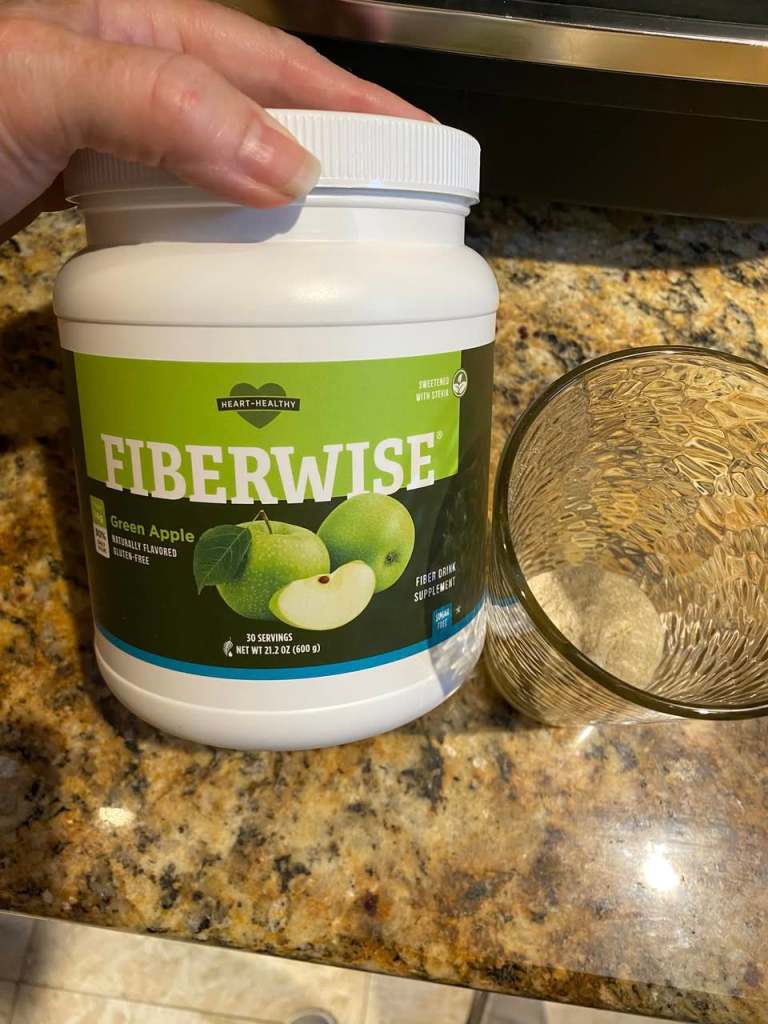
Do you get enough fiber?

Believe it or not, fiber is a great way to lose weight, keep your gut in great working order and curtail hunger. Eating a lot of fruits and vegetables can help with that, but what if you don’t want to consume all of those calories or can’t handle the sugar from all of the fruit?

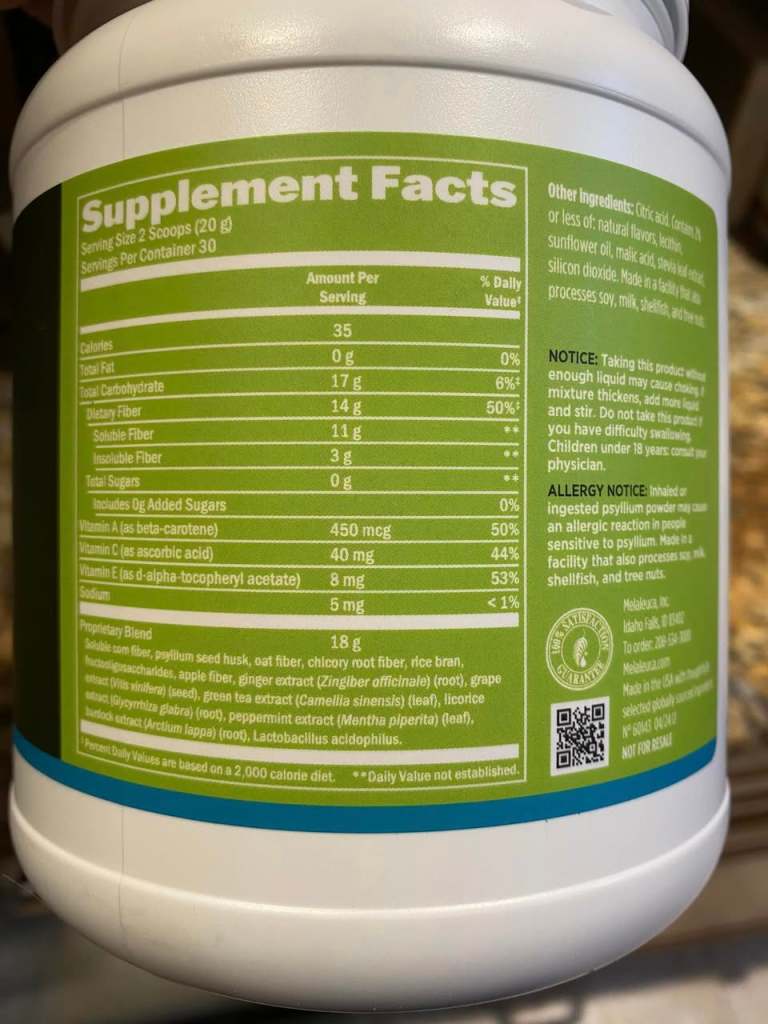
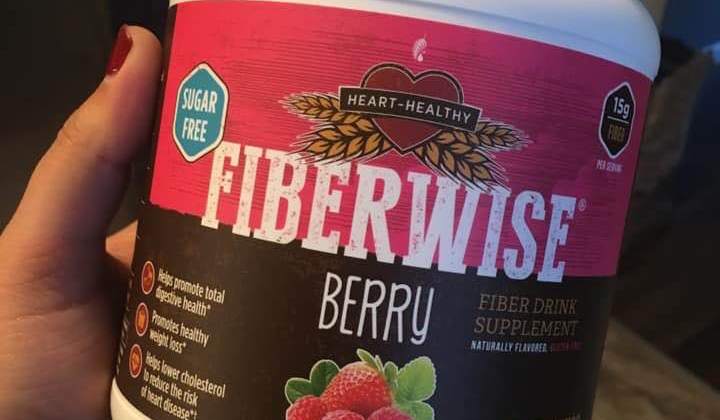
Well, I’ve found Fiberwise is a great way to get some extra fiber in my diet. It’s great to take about 30 minutes to an hour before dinner. It helps you not want to overeat. It has 14 grams of fiber in one serving! Good stuff for the digestive tract.


Heart Health Month is in full swing!

What have you been doing to support your hardworking heart?

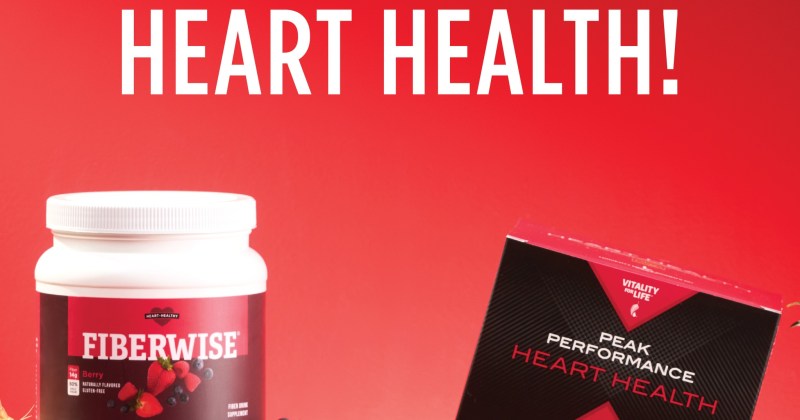
The Peak Performance Heart Health Pack and FiberWise make an incredible team for supporting your heart and your overall wellness. From healthy cholesterol support and antioxidant protection to gut-health support and toxin cleanup, these two exceptional products fuel your heart and body with the comprehensive nutrition and fiber power your body needs every day!*

*These statements have not been evaluated by the Food and Drug Administration. These products are not intended to diagnose, treat, cure, or prevent any disease.

How Do You DETOX?

When we go on vacation, we eat differently (and usually more) than we’re used to. When I was in away recently, every restaurant greeted us with complimentary drinks and then I had wine with dinner. We never eat dessert but often our meals came with one automatically. (What’s a girl to do?)

I love my vacations, but I hate feeling bloated, etc.

What’s YOUR secret for detoxing and getting your body back to pre-vacation status?

How much daily fiber do you get?

How much fiber do you get a day?

The average American gets 8 grams of fiber a day when at a bare minimum we need 28 – 35 grams/day. Some health specialists will argue that we need 30 – 50 grams/day.

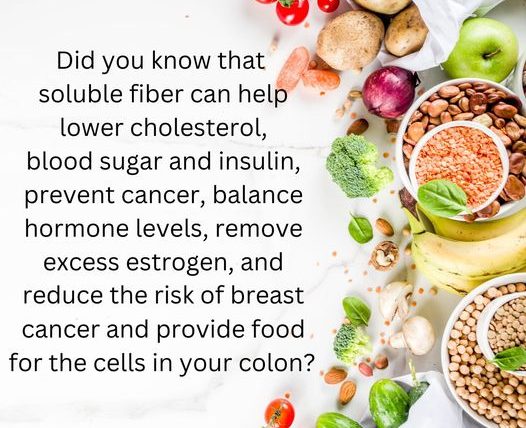
Fiber can prevent obesity and the chronic disease of aging. This is because fiber slows the rate at which food enters your bloodstream and increases the speed at which food exits your body through the digestive tract. That keeps your blood sugar and cholesterol in ideal balance and quickly eliminates toxins from your gut and reduces your appetite.

You’ll find soluble fiber in fruits, vegetables, beans, nuts, seeds, and most whole grains. The bacteria in your gut metabolizes the soluble fiber in these foods, and that’s when the benefits start.

Benefits and Needs for Fiber

While there is a wide range of foods that provide fiber, in today’s world, it is difficult for most of us to consume enough fiber to satisfy the daily minimums. An article from Food is Medicine, shares twenty foods that provide high levels of fiber.

Today’s Western diet probably satisfies only about half of the recommended amount of fiber that you need. As the article states: this is a big deal because high fiber foods guard against a number of diseases like cancer, heart disease, and obesity. Many processed foods are “fiber enriched”, but these are not the most desirable source of this valuable (and indispensable) dietary need.

The article makes the case for foods high in fiber as the best way to satisfy your needs, it also admits that it is unlikely that you will be able to with diet alone. It also identifies the probability that you will need a supplement to meet your daily requirements. It also points out that the quality of the supplement can and will make a big difference.

An effective supplement will contain a recommended balance of both soluble and insoluble fiber. Insoluble fiber provides bulk in the digestive system which helps the elimination process, expelling carcinogens and toxins from the bowels. Soluble fiber is actually retained in the bodily system, creating a gel that prolongs elimination so that key nutrients can be absorbed more efficiently.

Some fiber supplements do not contain soluble fiber at all. Still, others do not contain enough insoluble fiber to do the job properly. It is important to have the correct balance of both. As has been stated, a healthy diet is best and this list of high in fiber foods will give you a handy guide for healthy meal planning.

The company with whom I am associated offers a complete array of supplements and high-in-fiber snacks that allows me to effectively control my fiber intake daily. They all contain both insoluble and soluble fiber. I am convinced that my good health is as a result of these indispensable products. Here’s to your health! 

High fiber foods article 

Fiber for optimal health

Colorectal cancer is the third most common cancer in the United States and the second leading cause of death from cancer.

Colorectal cancer affects all racial and ethnic groups and is most often found in people ages 50 and older. People over age 50 have the highest risk of colorectal cancer. You may also be at higher risk if you are African American, smoke, or have a family history of colorectal cancer.

The good news?

The best way to prevent colorectal cancer is to get screened regularly starting at age 50.
If everyone age 50 and older were screened regularly, 6 out of 10 deaths from colorectal cancer could be prevented.

There are often no signs or symptoms of colorectal cancer – that’s why it’s so important to get screened.

Everyone can take these healthy steps to help prevent colorectal cancer:

  • Get screened starting at age 50.
  • Encourage your family members and friends over age 50 to get screened.
  • Quit smoking and stay away from secondhand smoke.
  • Get plenty of physical activity and eat healthy.

One healthy addition to your diet is fiber. On a daily basis, 95% of Americans are only getting about half as much fiber as they need. Fiber is a component of plant foods that is never broken down and absorbed by the body—allowing it to perform important functions that  no other food can. The two forms of fiber, soluble and insoluble, both play important roles in maintaining optimal health as well as helping  to keep your colon “clean”.

Why fiber?

Well, according to research fiber can help prevent serious issues developing in your digestive tract because it  can sweep away toxins and waste throughout your body. Studies also show that the adequate amount of fiber helps supports immunity, improves regularity, and can help reduce the risk of heart disease.

I’m lucky to have found a great fiber product that’s a scientifically balanced blend of seven fiber sources, plus vitamins, antioxidants, soothing herbs, and probiotics. A single glass of this broad spectrum fiber provides 12 grams of healthy fiber to help me meet my optimal daily fiber and offers several benefits I don’t get from traditional fiber products.

Quick quiz: True or false?

You should get tested regularly for colorectal cancer starting at age 50.

Answer: 

Starting at age 50, get tested regularly for colorectal cancer. When it comes to colorectal cancer screening, you do have options. Learn more about screening here.

Decide which screening test you prefer here.