Last year, I found myself waking up in the ICU of a hospital, with no memory of how I got there. My last memory is that I was at the airport. I remember having a vague conversation with a police officer. Other than that, I have no further recollection of that day until I woke up in that ICU two days later. Luckily I carry my health info and medical cards with my drivers license, so they were able to care for me. The diagnosis? DKA – Diabetic Ketoacidosis. My blood sugars had spiked to nearly 600 and I was on the verge of a diabetic coma. Considering I had never had any indication of sugar issues — all my bloodwork always came back perfectly normal.
So what happened? My doctors explained that my recent move, my recently broken shoulder and the resulting pain and lack of sleep, burying a parent, extensive dental work and weight loss (a good thing) put quite a bit of stress on my system. All of these contributed to a metabolic imbalance and my body decided to crash—big time.
Turns out the ability of the body to control insulin can make significant differences in the quality of one’s health. Insulin is a hormone that is generated in the pancreas. It is released, optimally, in small amounts throughout the day and in larger amounts after meals.
Insulin and its effects can also cause weight gain, battle metabolic issues and even lead to diabetes. The below article from “Get Your Lean On” gave me some insight and tips on controlling the insulin my body manufactures and I thought I’d share.
It recommends avoiding all forms of sugar, which led me to the R3 lifestyle. The study results showed sugar promotes insulin resistance. Refined carbohydrates are another food to moderate or avoid completely, if you are able, since they are converted to sugars. With my new R3 eating plan, I rarely crave sweets or carb-loaded foods—but I still crave grapefruit and indulge that craving every other day.
The article also recommends eating foods that are higher in soluble fiber and will help stabilize and regulate blood sugar levels. Soluble fiber also produces higher levels of good “gut’ bacteria and makes you feel fuller, longer. I make certain I get lots of veggies (especially cucumbers and peppers) and drink Fiberwise daily. With R3 I do have two healthy snacks every day, usually veggies. I’m never hungry between meals anymore.
Of course, the study recommends that regular exercise should also be a part of a good daily, healthy regime. Unfortunately with my broken shoulder and subsequent shoulder replacement, I’ve not been working out or exercising for the past year—other than walking the dog, that is.
Finally, I’ve followed the suggestion to increase consumption of lean protein. With R3 I make it a point to have protein within an hour of waking up each morning. I didn’t believe it when I was first told to do this, but it works! Turns out the protein helps to absorb valuable amino acids that build muscle. Eating the right proteins is critical to the overall effect of an insulin “smart” diet, so I pay attention to the types and amounts of the protein I eat at every meal.
You may also want to consider some supplementation in your plan, regardless if your goals are weight-loss or simply universal good health. My company has developed a great tasting shake in several different flavors that allow me to easily and conveniently control my blood sugar and insulin levels.
My R3 journey started around 2017. I wanted to lose weight feel and better about myself. You see, I wasn’t always overweight or obese, I was always fit in spite of my asthma. To keep my lungs healthy, I worked out several days a week lifting weights. I did aerobics two to three times a week. I swam. I biked with the bike club two “short” rides and one long ride every week. I also rode my bike to work 19 miles each way practically every day. I was active and had a great social life.
Then, I gained a little weight, not much at first. After a major asthma attack which landed me in the ICU for several weeks, I gained “prednisone weight” about 20 pounds. I still participated in the Dublin Marathon three weeks after getting out of hospital. I was so full of Prednisone weight, I walked the marathon. (It took five and a half hours.)
Shortoly afterward i participated in an asthma drug study. During that study, I gained 70 pounds.
I had become fat. Not only that friends treated me differently as though I lacked will power or I was lazy. I wasn’t, but…
Around this time my dad went into a nursing home. My mother did not drive, so I became her driver and patient advocate for dad while working 60-hour work weeks and volunteering for local charities. Although I was busy and on my feet all day and water running three days a week, I remained heavy.
At my heaviest, I was 250 pounds and often the heaviest person in the room. I hated it.
At this point, my dad passed, I was now my mothers caregiver. Because of my weight, my doctor suggested human growth hormone injections to see if I could lose weight. His program started out promising, and combined with early morning workouts with a personal trainer, I lost 13 pounds in the first two weeks, but nothing after that. After 3 months we gave up. It wasn’t working for me.
That brings me to that first R3 Challenge around 2017. I took the before picture and submitted it. I didn’t do all that well, but I did lose maybe 10 pounds When comparing the after picture with my before picture you could tell my clothing definitely ldid not look or fit the same. The same clothing is in both photos. If you look closely you’ll see my left arm is in the pants. Most of my work colleagues and friends thought I lost a lot of weight but I hadn’t. I’d lost inches. A Non-Scale Victory (NSV).
I semi-participated in other challenges after that, but never really finished them. My schedule was terrible, I was taking care of everyone and everything but myself. But I finally was j200 pounds thanks to swimming and rowing three times a week. It was progress.
In 2021 my mother passed away and I decided I needed to make life changes. I changed jobs. I put my house on the market. I took a trip to South Carolina to check out the housing market.
2022 arrived. For me, 2022 will forever be “Year of the Shoulder”. The year began with a good purchase offer on my home on January 6. That same day, while at work, I tripped over a case of wine, fell and broke my right shoulder (my dominant hand). My house was closing on January 25. I had 20 days to pack, find a new home and move—all with a freshly broken shoulder. I ended up purchasing a brand new house sight-unseen in Florida with a closing date of January 26 — a day after my New Jersey closing. I was lucky as I was also able to find a good mover to match my timeline. It was a very painful move but i made the 16-hour drive with my mother’s dog.
Once arriving in Florida, it was time to regroup. I found I moved to a new development in a town I had never heard of, but it was now home. Rain was coming down in buckets. I was wondering if I did the right thing. The pain prevented a lot of unpacking (It took nearly a year to find all of my silverware).
Being on Worker’s Comp, I needed to find an orthopedic doctor in Florida who would accept the Worker’s Comp insurance to care for the shoulder. I finally got an appointment for an orthopedist on April 28. I weighed in at his office at 213.
I wasn’t happy. I went on a girls’ trip vacation the following month at nearly 250 and wearing a sling. I was once again the fattest person in the room. I was sick and tired of being overweight, unhappy and in pain. I had to do something.
When I saw the Challenge beginning June 6 – the same day I started Physical therapy — I joined. I figured I couldn’t work and unpacking the garage was still a tedious, painful, one-armed process. I couldn’t even find my scale in the garage, I had to buy a new one! Nor did I have a mirror (It was somewhere in a box in the garage). What could I lose? Weight!
I started the challenge with no expectations at all. Some days were good, some weren’t. My physical therapy lasted the entire length of the challenge. I was in constant pain. When the challenge ended, I was down 25 pounds! I was surprised I lost the weight, since I wasn’t the best at sticking to the plan 100 percent.
The best part, I continued to lose weight (another 15 pounds) after the challenge just by following the Real Life part of R3.
In August, after an 18-month wait, I flew to Washington, DC and Arlington National Cemetery to bury my mother. The flight home was an adventure. After multiple delays and a layover, I arrived at my destination airport, and I woke up two days later in a hospital ICU. Apparently, stress and the pain medication caused a cascade effect resulting in diabetic ketoacidosis (DKA). I also had never been a diabetic prior to this event, I have no memory of being in an ambulance, in an ER or let alone in an MRI, but I was.
When I was released, to go home —my day trip to DC had turned into a week. I had gained 11 pounds (they said water weight from IVs). It took three weeks to lose the water weight. I followed R3’s Real Life phase. The good news was the endocrinologist approved the R3 plan and liked the idea of my eating five to six times a day to keep my metabolism balanced. By September, my blood numbers were back to normal and I was taken off nearly all of the medications that came home with me from the hospital.
October came and I was down a total of 53 pounds. I decided not to do the Fall R3 challenge. I had a surgical date for a total reverse shoulder replacement on November 16—I didn’t want hospital food ruining my challenge!
Knowing I would be incapacitated for six weeks, I cooked R3-friendly meals—enough for 42 days and froze them tor my recovery meals. By the time of my surgery, I had lost an additional 14 pounds. This time, at the orthopedic office, I weighed in at 146 pounds! I was fully dressed and still in my shoes!
Of course, after surgery, I swelled up and gained 30 pounds! I left the hospital weighing 176 pounds, It took a month to shed those 30 pounds of water weight. Again, I did it by following my R3 Real Life phase.
On December 31, I was 145 pounds.
I’m happy about the weight loss, especially since I wasn’t allowed any workouts other than walking my chihuahua. I admit I feel better about myself now that i’m closer to my ideal weight. My shoulder still needs to finish healing, before I can go back to swimming, water running and rowing, to stay fit, but I’ll get there with R3. I want to lose the last 15-20 pounds for my ideal weight.
R3 is really a lifestyle for me and I know I’ll never go back to being that overweight again.
Children, for the most part, do not eat well. They commonly choose foods that are high in fats, sugars, and salt that have little, real nutritional value. The top choices among kids are hot dogs, chicken nuggets, French fries, pancakes, pizza, cookies and ice cream.
While you may agree that this doesn’t sound like an optimal menu conducive to good health for growing children, it’s often all that the little people will eat. This type of menu creates a domino effect that results in 97% of children suffering from some form of malnutrition.
Did you know that one in three children ages 2 to 19 is obese or overweight? That’s triple the rate of just a generation ago. Many of today’s children suffer from high blood pressure. Diabetes in children has increased by 21% in the last 10 years. All are the result of poor nutrition.
Additionally, three out of four children are not getting 60 minutes of exercise each day. The result? Childhood obesity.
As of last year, health costs are $14 billion a year and rising. To help combat the trend a proper diet is necessary. When children don’t like nutritious vegetables, fruits or proteins, supplements can help. Nutritional supplements can replace some of the vitamins and minerals missing in your children’s and grandchildren’s diets. Make sure to choose supplements that are safe and effective.
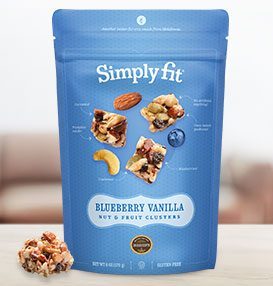
Blueberry Vanilla Nut & Fruit Clusters OMG! More blueberry goodness! Bite after bite, I find Simply Fit Nut & Fruit Clusters simply delicious snacking—and simply better for me. A satisfying, nutty crunch with the soft sweetness of just-picked blueberries, warm hints of vanilla, and sparkles of Himalayan pink salt.
The clusters contain ten irresistible ingredients: blueberries, currants, almonds, cashews, pumpkin seeds, Himalayan pink salt, crisp rice, cane sugar, brown rice syrup, natural vanilla and no artificial anything! The only proble I’ve found is once I start, I can’t stop eating them!
This is a healthy snacking secret. When I want something delicious, filling and refreshing for my 3:00 p.m. snack, I reach for Blueberry Attain with revolutionary, natural CraveBlocker®. This simple shake helps stop cravings at both critical sources, putting me back in control. I have been able to manage and lose weight without feeling irritable or hungry all the time—and I don’t deprive myself of the nutrition I need. Controlling my cravings is an essential part of losingand keeping weight off for good. Since it is blueberry month, I blended in a few fresh blueberrys for an added jolt of antioxidants.
My Blueberry breakfast specialis Blueberry Simply Fit Granola.
We like it because it is simply wholesome granola. There is no artificial flavoring, color or ingredients. It’s baked and every bite is filled with crisp, old-fashioned goodness. It has whole oats, fiber, protein, and ALA omega-3s from flax to create lasting satisfaction. We love it we even added a few fresh berries today to celebrate blueberry month!
Since they are now in season, July is a great month to discuss the health benefits of blueberries. Did you know that blueberries are native to North America and are grown in 35 states? What’s more, they’re an ingredient in more than 4,000 products, from muffins to pet food to cosmetics—and to think it all started in New Jersey.
The popularity of blueberries can be credited directly to Elizabeth Coleman White and Frederick V. Coville, who, succeeded in hybridizing wild blueberry plants to create a new domestic blueberry industry. They began their work at the White family farm, Whitesbog, in Browns Mills, Burlington County an area known for cranberry bogs and the infamous Pine Barrens.
Although Washington and Georgia lead the country in terms of blueberry production, New Jersey is currently the fifth highest blueberry producing state in the U.S. Despite our state’s small size, New Jersey growers often register yields topping 56.7 million pounds of blueberries each year. Amazingly, over 80% of New Jersey’s blueberries are grown in Atlantic County and most of the blueberry harvest comes from a mere 8,800 acres.
Many of New Jersey’s blueberries are packaged at the Atlantic Blueberry Company at Hammonton.
Living in New Jersey, we are lucky enough to have picking areas nearby—fun for the whole family! They make a great snack all on their own or enhance a meal, make stellar desserts or sauces. Plus, these vibrant berries pack a punch in vitamins and health benefits.
Here are a few things blueberries can do for you:
#1: Blueberries are the #1 fruit with the highest antioxidant capacity. It beats out any other berry! These powerful antioxidants have been known to improve the immune system and prevent infections in the body (especially urinary tract infections.)
#2: Blueberries can help with weight loss. Blueberries have fewer than 100 calories in a cup, making it a healthy pick for snacking. There have also been numerous studies, linking blueberries to the loss of stomach fat.
#3: The deeper the color of a blueberry, the richer they are in antioxidants, vitamins and medicinal perks. Go for the darkest berries!
#4: Blueberries can reduce the risk of cancer. Anthocyanins (which give the fruit its hue) have been studied and known to attack cancer-causing free radicals in the body.
#5: Blueberries for the brain! Numerous studies have shown that blueberries can help reduce the risk of memory loss. Brain food at its finest
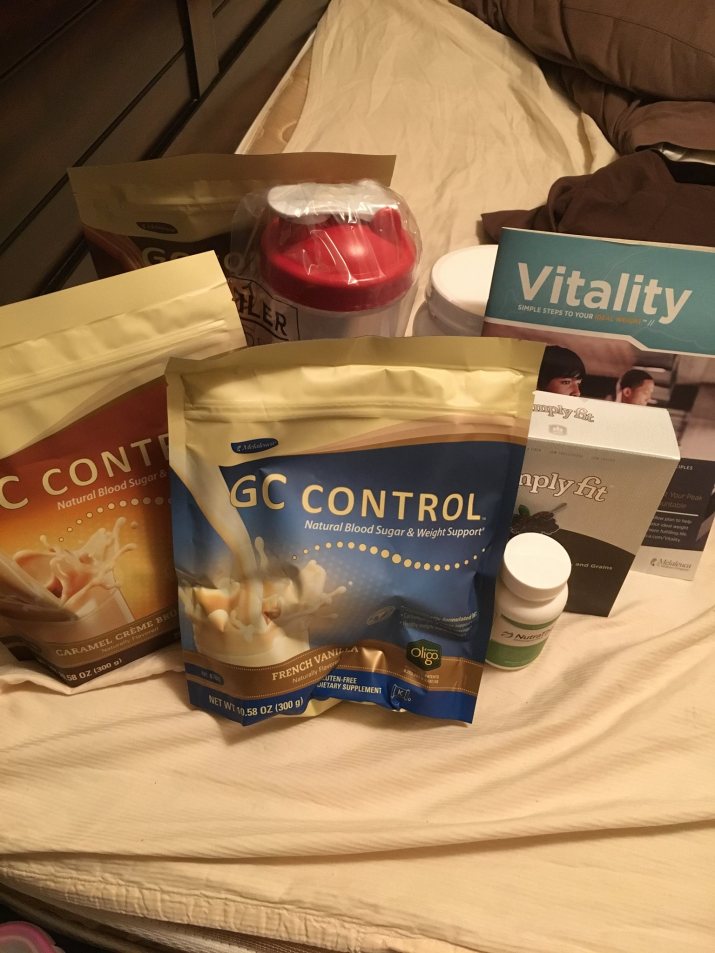
Sometimes when I eat something for breakfast, like cereal for instance, I find that around two to three hours later I start feeling peckish and a bit tired, instead of reaching for an ever-ready treat from the office kitchen (you know a donut or candy), I make one of these great GC Control shakes.
Not only do I love them for their taste, but they fill that “hole” and provide a boost in energy, getting me back on track. That’s because they provide me a better balance of protein and carbs that last far longer than a donut or candy bar. The link below explains why this product works so well.
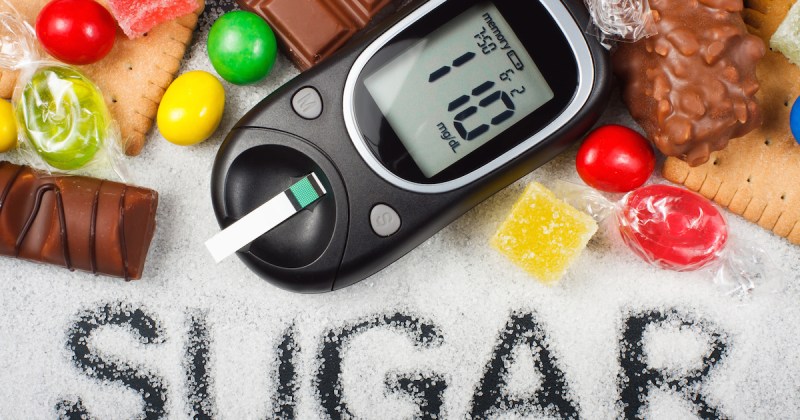
When it comes to weight management, refined sugar in all its forms — high-fructose corn syrup, dextrose, rice syrup, sucrose and many others — is certainly one of the top items to get knocked off an eating list.
Harvard University’s School of Public Health suggests that to achieve a healthy weight, you should limit “lower-quality foods” including sugar-sweetened beverages, refined sugar and highly processed snacks. But your waistline isn’t the only thing affected by excess sugar consumption. Overindulgence on the sweet stuff can affect you in some other surprising ways:
1. Sleep Interuption. According to the National Sleep Foundation, an after-dinner dessert is a great way to get a terrible night of sleep. In fact, the organization notes, the more sugar you eat during the day, the more likely it is you’ll wake up during the night. That’s because sugar lowers the activity of orexin cells, a neuropeptide that regulates how wakeful you are. More bad news: These cells also help control appetite, so if they’re feeling off-kilter, you’re more likely to eat more.
2. Increased Colds and Flu. When it comes to an effective immune response — your system needs to be on high alert during cold and flu season — sugar could be defeating your white-blood-cell army. When you eat a big dose of sugar, like a soda or a candy bar, you temporarily suppress your immune system’s ability to respond to invaders. If that happens occasionally, it may be no big deal, but since the effect lasts for a few hours, you could be consistently sabotaging your immune syste if you eat sugary food regularly.
3. Increased Risk of Heart Disease. Sugar can affect your weight goals, but it affects your heart even more. A major study published in JAMA Internal Medicine suggested a sugar-packed diet may raise your risk of dying of heart disease, even if you aren’t overweight. In the 15 year-long study, participants who ingested 25% or more of their daily calories from added sugar were more than twice as likely to die of heart disease than those who consumed less than 10% of added sugar.
4. Potential Depression. Although much is made of the mind-body connection when it comes to health and wellness, less attention has been put on the mood-food link. But sugar can be notorious for causing emotional fluctuations, including anxiety, frustration and even depression, according to Dr. Elson Haas, author of Staying Healthy With Nutrition. He notes that refined sugar has been shown to deplete important nutrients, such as protein, vitamin B, zinc, chromium and manganese—deficiencies can lead to lower levels of emotional and mental functioning. When these nutrients remain in the immune system, individuals notice a marked difference in their moods and emotional states.
5. Skin Problems. Refined sugar and many other high-glycemic foods raise insulin levels in the body and that increases inflammation. When that happens, the inflammation produces enzymes that break down collagen and elastin, the structural building blocks of skin. The digested sugar permanently attaches to the collagen in your skin through a process known as glycation, which results in sagging skin and wrinkles. Glycation can also exacerbate skin conditions like acne and rosacea. Plus, the more sugar you eat, the more likely it is you’ll develop insulin resistance, possibly leading to excess hair growth on the skin, as well as dark patches on the neck and other areas.
With side-effects like these, you might be tempted to swear off sweets forever. You really don’t need to cut out refined sugar products completely to see benefits and lower your health risks, instead, focus on mindful eating and awareness — in other words, make a sugary treat into exactly that, so it’s a sometime occasion and not a regular habit. Start by eating your next sugary snack very slowly, and notice how it smells as well as tastes. You don’t need to become a mealtime snail, but doing this a few times can help you “reset” when it comes to sugar—and helps to reduce sugar cravings. Being more mindful when you eat, especially when it comes to sugar, can keep you off autopilot and change your eating habits.
Celery is by far one of the most nutritious vegetables available. It is a great source of potassium, magnesium, and vitamins A, B, C, and K. It is also rich in phytonutrients, which act as anti-inflammatory and antioxidant agents, boosting the immune system and overall health.
Fresh celery benefits nutrition thanks to all the tremendous vitamins and minerals it contains. One cup of chopped raw celery (about 101 grams) contains approximately:
16.2 calories
3.5 grams carbohydrates
0.7 gram protein
0.2 gram fat
1.6 grams fiber
29.6 micrograms vitamin K (37 percent DV)
453 international units (9 percent DV)
36.5 micrograms folate (9 percent DV)
263 milligrams potassium (8 percent DV)
3.1 milligrams vitamin C (5 percent DV)
0.1 milligram manganese (5 percent DV)
0.1 milligram vitamin B6 (4 percent DV)
40.4 milligrams calcium (4 percent DV)
0.1 milligram riboflavin (3 percent DV)
11.1 milligrams magnesium (3 percent DV)
All with some sugars, celery also contains some vitamin E, niacin, pantothenic acid, iron, phosphorus, zinc, and selenium.
According to Healthy Food House, researchers have confirmed the numerous health benefits of celery:
Celery can help prevents chronic inflammation
It helps regulate the pH balance of the body
it assist in weight loss since it is low in calories but high in fiber
Celery helps digestion and treats stomach issues and constipation
It can help treat urinary tract infections as it has potent diuretic properties
It soothes the nervous system and may help you fall asleep
Celery has been found to regulate cholesterol and blood pressure, since it contains phthalide
It is low in acids and relieves heartburn and acid reflux
Celery is abundant in vitamin A, so it improves vision, treats dry eyes, and protects the cornea
It can clean your teeth like a natural dental floss since it is breaking into fibrous strands while chewing
You can appreciate the countless benefits of celery in many ways. It goes great in soups, stir-fries, stews, and salads. It can also be dipped in peanut butter, hummus, or other sauces.
If you found this information helpful or just have a love for celery, please remember to SHARE this article with your family and friends on Facebook!








 Hayseeds Creative