
Living our best lives is not just about making good nutrition and fitness choices that affect our health. It’s also about how we choose to live day to day. Audrey Hepburn offered three suggestions on how to live our best lives. Her timeless wisdom touches the soul and offers a guiding light to follow.
SEEK BEAUTY IN OTHERS — When we choose to see the beauty in people, it takes a lot more than judging at first glance. Take the time to uncover the goodness in others. Doing this can lead to wonderful relationships and personal growth.
GENTLE WORDS HAVE POWER — Words possess extraordinary power. Words can uplift or wound, we must choose carefully. When we choose kindness in our speech, it can ignite a ripple effect of positivity in both our professional and personal spheres.
WALK WITH CONFIDENCE — Confidence transcends self-belief; it’s an acknowledgment that we’re never truly alone on our journey. When we realize that countless others have confronted similar challenges, we can emerge victorious.
A slight shift in our mindset can yield monumental results in our personal and professional life. Seek beauty, speak kindly, and stride with confidence—our pathway to success and fulfillment commences with these elegantly straightforward principles.
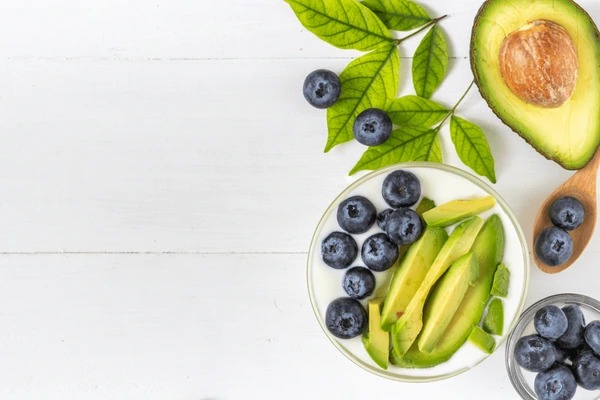
Both AARE considered a “superfood” so we obviously can’t go wrong with either one. But it’s good to view the differences if you have specific health goals.
Avocado has more protein, healthy fat (Omega 3s), and fiber, while blueberries have more carbs. An easy win for avocado here, unless you’re on a calorie-controlled diet perhaps, since avocado is also higher in those.
Avocado has more of vitamins A, B1, B2, B3, B5, B6, B7, B9, C, E, K, and choline, while blueberries are not higher in any vitamins. Pretty much a slam dunk here.
Avocado is higher in minerals. It has more calcium, copper, iron, magnesium, phosphorus, potassium, selenium, and zinc, while blueberries are higher in manganese. Another win for avocados.
Blueberries have about 1193x the polyphenol content that avocados do. Blueberries got the reputation for antioxidant properties for a reason; it is well-deserved!
Try adding an avocado to your salads to get more protein. Adding blueberries to your protein shakes and yogurt for healthy snacking! How do you incorporate these snacks into your daily diet?
In study after study, diets high in fruits and vegetables have been shown to lower cancer risk. Fruits and veggies are rich in polyphenols, flavonoids, dietary fiber and antioxidant vitamins and minerals that have a huge impact on fighting cancer. Unfortunately, many conventionally grown fruits and vegetables are loaded with unwanted chemicals like, glyphosate – the active ingredient in the weedkiller Roundup. Glyphosate was introduced in 1996, found to be ‘probably carcinogenic’ in 2015, and in 2019, scientists at University of Washington reported a compelling link between exposure to glyphosate-based herbicides and increased risk for non-Hodgkin’s lymphoma.
Note: The Environmental Protection Agency (EPA) continues to insist that there is no evidence that glyphosate causes cancer in people. That said, Bayer, which acquired Monsanto in 2018, has shelled out over $10 million for current and future lawsuits involving glyphosate and NHL.
To no surprise, eating a diet filled with organic fruits and veggies is linked with lower cancer risks. Five servings/day is optimal but even two servings/day can lower your risk by 10%. Just make sure you choose organic!
I received this from my friend Dionne Myers Taplin:
“‘Twas the week before Christmas and all through the land. Not a toxin was present; all chemicals banned. For Santa had asked when he flew through last year Could you please get rid of your Tide and your Cheer? My eyes are running and my belly is itching. I think it’s your products – would you consider switching To a line that is greener and safer to use? It’s all guaranteed so there’s nothing to lose. Online shopping is simple; toll-free calling, a breeze And it’s not just at Christmas that you get products for free. Mrs. Claus has more energy and, ho-ho-ho, I do too. Oligo makes sure that the nutrients get through. Rudolph’s joints are better and his fur’s silky smooth. He’s like family to me so what else would I use? I’ve lost a few pounds and some of the elves did so too, It’s not really that hard when you have the right tools. Others may question what it is that you do. But don’t you forget what’s important to you. So don’t let them deter you, and please do not stop Telling your family and friends about a great place to shop. Helping others has value, our mission is clear. You’ll have a Christmas of Wellness and a Healthier New Year!”
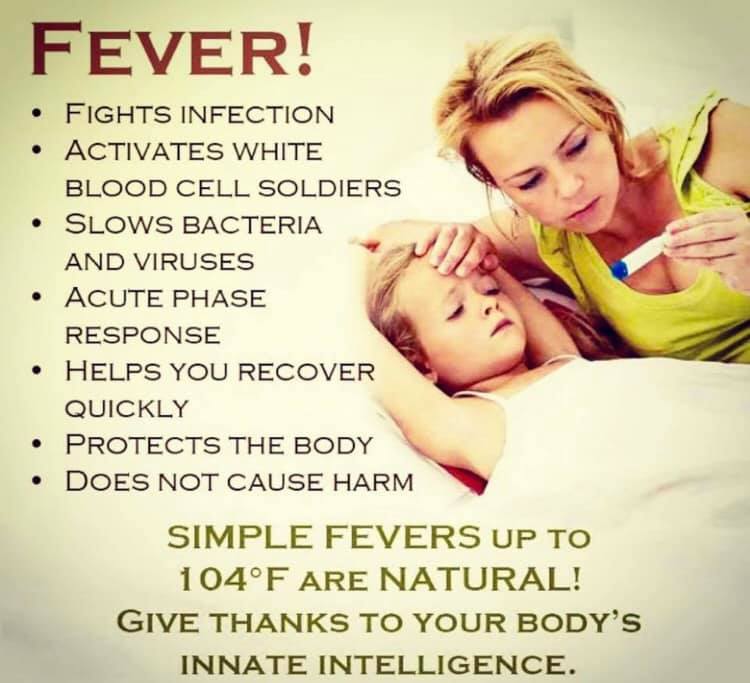
**It has been said that when a fever reaches 102 degrees, a group of proteins called interferons are produced that help prevent viral replications and inhibit cancer cells.
**And at 103 degrees, all nutrition to spleen is shut down to starve any bad bacteria that are present or multiplying.
Food for Thought:
If a fever is created to trigger healing, what are the consequences of artificially lowering it with patented chemicals?
There is no doubt that running a fever is often accompanied with discomfort, but it turns out that lowering it could delay that discomfort and healing even longer.
The body is amazing. The more we honor it, the better we are.
A Type II Diabetes diagnosis opens the door for other serious diseases. It’s one of the ugliest diseases, but it can be reversed! One out of every three people is already Pre-Diabetic. It can affect your life in more ways than just diet. It’s something to take seriously!
Potential Complications
Heart and blood vessel disease. Diabetes is associated with an increased risk of heart disease, stroke, high blood pressure and narrowing of blood vessels, a condition called atherosclerosis.
Nerve damage in limbs. This condition is called neuropathy. High blood sugar over time can damage or destroy nerves. That may result in tingling, numbness, burning, pain or eventual loss of feeling that usually begins at the tips of the toes or fingers and gradually spreads upward.
Other nerve damage. Damage to nerves of the heart can contribute to irregular heart rhythms. Nerve damage in the digestive system can cause problems with nausea, vomiting, diarrhea or constipation. Nerve damage also may cause erectile dysfunction.
Kidney disease. Diabetes may lead to chronic kidney disease or end-stage kidney disease that can’t be reversed. That may require dialysis or a kidney transplant.
Eye damage. Diabetes increases the risk of serious eye diseases, such as cataracts and glaucoma, and may damage the blood vessels of the retina, potentially leading to blindness.
Skin conditions. Diabetes may raise the risk of some skin problems, including bacterial and fungal infections.
Slow healing. Left untreated, cuts and blisters can become serious infections, which may heal poorly. Severe damage might require toe, foot or leg amputation.
Hearing impairment. Hearing problems are more common in people with diabetes.
Sleep apnea. Obstructive sleep apnea is common in people living with Type II diabetes. Obesity may be the main contributing factor to both conditions.
Dementia. Type II diabetes seems to increase the risk of Alzheimer’s disease and other disorders that cause dementia. Poor control of blood sugar is linked to a more rapid decline in memory and other thinking skills.
Have you ever taken digestive enzymes? I take them before large meals or if I eat a lot of dairy.
The reason? Taking a digestive enzyme with meals can make a difference in how you feel when you eat. It can reduce the feeling of being overly full, reduce gas and best of all… no bloating! From a nutritional perspective, digestive enzymes it help to break down the food so that the body has to do less work during the process of digestion and absorb the nutrients more efficiently.
To test the theory, I put a slice of steak in a Ziplock bag, added a little warm water and the contents of one capsule my digestive enzyme. In 10 minutes, the steak was broken down. That convinced me that digestive enzymes should be a part of my daily regimen.
My little capsules provide 18 unique digestive enzymes to help break down gluten, dairy, proteins, carbohydrates, fiber, and more, so, let’s break it down:
Breaks down protein in beef, chicken, pork, eggs, and nuts
• Protease 4.5 breaks down the proteins found in meats, nuts, eggs, and cheese • Peptidase breaks down proteins during digestion to allow them to be used by the body • Bromelain breaks down proteins • Phytase helps the body digest minerals, such as calcium, zinc, copper, and manganese • Protease 6.0 breaks down the proteins found in meats, nuts, eggs, and cheese • Lipase breaks down fats found in dairy, nuts, oil, and meat products • Neutral Bacterial Protease helps break down protein
Breaks down lactose and fats in milk, cheese, and ice cream
• Lipase breaks down fats found in dairy, nuts, oil, and meat products • Lactase breaks down lactose (milk sugars) • Acid Maltase breaks down proteins, carbohydrates, and fats to maintain an optimal absorption of nutrients • Protease 6.0 breaks down the proteins found in meats, nuts, eggs, and cheese
Breaks down carbohydrates in bread, rice, pasta, cookies, candy, fruit, and vegetables
• Invertase breaks down sucrose (table sugar) • Amylase helps break down starches to allow them to be absorbed and used for energy • Glucoamylase helps break down starches into glucose, which is usable by the body • Acid Maltase is used to breakdown proteins, carbohydrates, and fats to maintain an optimal absorption of nutrients • Hemicellulase breaks down fiber and carbohydrates • Pectinase is a group of enzymes that break down the pectin commonly found in plants • Xylanase breaks down xylan sugars, like those found in corn • Invertase breaks down sucrose (table sugar)
Breaks down fiber in salad, beans, and whole grains
• Alpha-galactosidase facilitates the digestion of beans, legumes, seeds, roots, and soy • Cellulase breaks down cellulose (plant fiber) • Beta-glucanase breaks down soluble fibers found in grains • Hemicellulase breaks down fiber and carbohydrates • Phytase helps the body digest minerals, such as as calcium, zinc, copper, and manganese
These little capsules are a game changer!
My gut health is so incredibly important to me, how’s your gut?