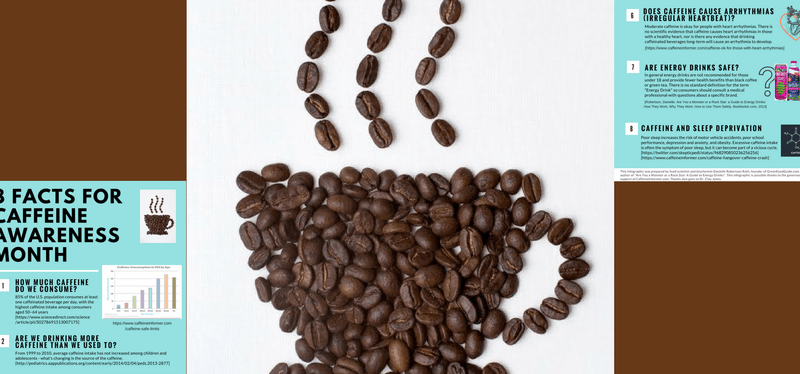
Living longer with coffee?

Feel free to pour yourself a cup of coffee before reading this — even if you’ve already had some today.

A study of half a million people found more evidence that drinking coffee is associated with a longer life


Yet another study has found that drinking coffee is associated with a longer life and lower risk of an early death. This adds to a significant body of research indicating that coffee has positive effects on the heart, liver, brain, and more.

The latest study, published in the journal JAMA Internal Medicine, reveals that people who drink more coffee have a lower risk of death even if they drink eight or more cups per day. The study, also found that even people who metabolize caffeine slowly are less likely to die early if they drink more coffee.

The study looked at 500,000 people in the UK for three decades., of whom 387,494 were coffee drinkers. The group studied was 54% female and had an average age of 57. Ten years after the start of the study, 14,225 people had died. The results suggested that people who drank two to five cups of coffee in a day were about 12% less likely to die than non-coffee-drinkers over the 10-year time period in the study. People who drank six to seven cups were 16% less likely to die, and people who drank eight or more cups were about 14% less likely to die.

In this study, coffee drinkers seem to gain health benefits from the habit. The study results showed coffee drinkers had a lower risk of death overall, just as many other studies have found.

It didn’t matter whether the coffee was decaf or regular, ground or instant — all were beneficial (though the connection to lower risk of death was weaker for instant coffee).

As with all studies like this in which researchers observe a group of people over time, this study can’t prove that coffee is the cause of the reduced risk of death. It can just say that people who drink coffee are less likely to die early.

Another large study of 500,000 people in Europe showed similar results to the recent UK research: men who drank three cups of coffee per day were 12% less likely to die over a 16-year period than coffee abstainers, and women who drank that much coffee were 7% less likely to die.

Another study of 185,855 multi-ethnic Americans confirmed that result, too. People who drank one cup per day were 12% less likely to die. Consuming two to three daily cups was associated with an 18% decrease in risk for early death. That study is particularly important, as it shows these benefits apply to African Americans, Native Hawaiians, Japanese Americans, Latinos, and white people. (People of color are not always as well represented in these types of studies.)

Other research has indicated that coffee drinkers are less likely to develop various forms of cancer, Type 2 diabetes, depression, Alzheimer’s, dementia, liver cirrhosis, and heart disease.

In many studies, it hasn’t mattered whether coffee was caffeinated or not, which indicates that many benefits may not be connected to caffeine — there are all kinds of other antioxidant-rich compounds in coffee that could have an effect. Still, at least one recent study attributed the lower risk for cardiovascular disease and stroke to caffeine, though those researchers still cautioned that overdoing it with caffeine was possible.

As all this data shows, coffee is likely beneficial for most of us, and at the very least not harmful. So the next time someone says they’re trying to limit their coffee consumption, you can tell them not to worry about it.

My favorite brand of coffee is Mountain Cabin what’s yours?

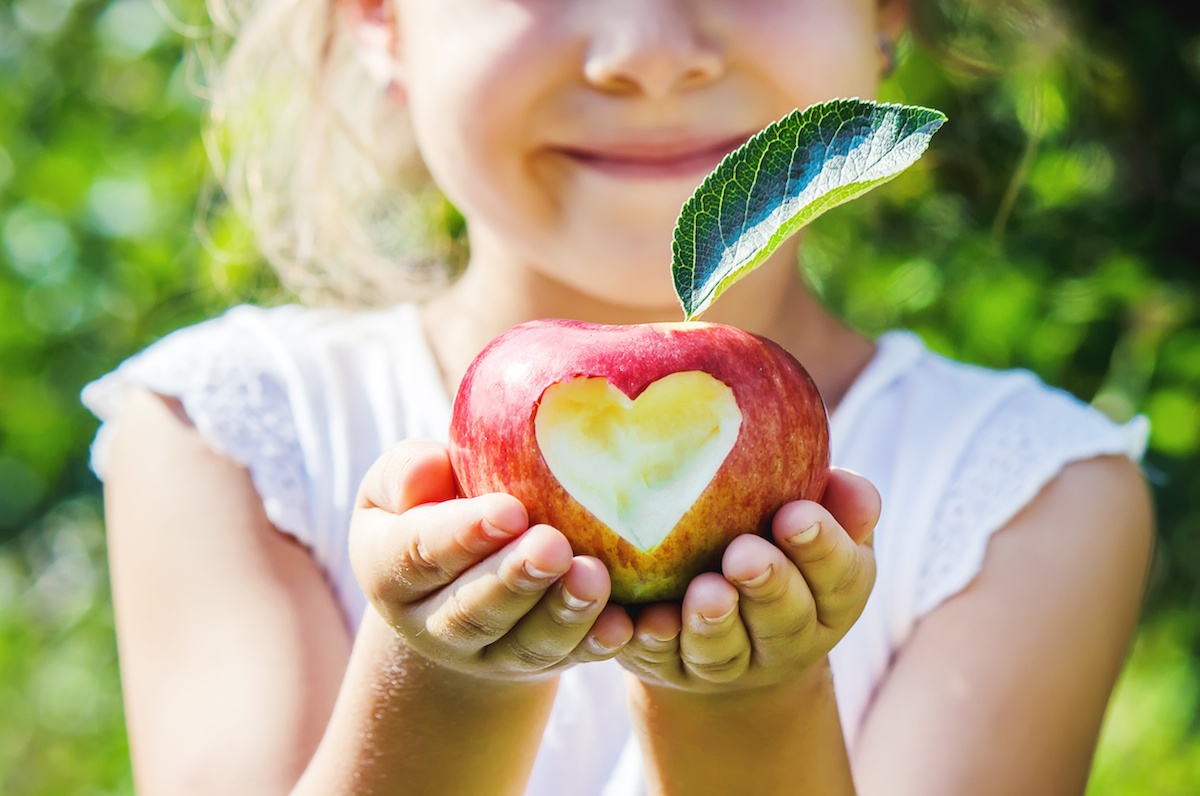
Children’s Nutrition and Health

It’s National Nutrition month and it may come as a surprise to find out that today’s children undernourished. They may be overfed, but they are still undernourished because, children, for the most part, do not eat well. They commonly choose foods high in fats, sugars, and salt—foods that have little, real nutritional value. The top choices among kids are hot dogs, chicken nuggets, French fries, pancakes, pizza, cookies and ice cream. It isn’t the most optimal menu for growing children and it’s definitely not conducive to good health.

This creates a domino effect that results in 97% of children suffering from some form of malnutrition. One in three children ages 2 to 19 is obese or overweight. That’s triple the rate of just a generation ago. Many suffer from high blood pressure and diabetes in children has increased by 21% in the last 10 years! This is caused by poor nutrition and three out of every four children not getting 60 minutes of exercise each day. The result? Childhood obesity health costs over $14 billion a year.

This article from Precision Nutrition will further explain some guidelines and strategies for assuring that your child is well fed and healthy. Supplementation can replace some of the vitamins and minerals missing in your children’s and grandchildren’s diets. Make sure to choose supplements that are safe and effective. Learn more. . .

Are you an organ donor?

Essential Oils and the common cold

Did you remember to buy Oregano to help combat the cold & flu this year?

If you did, we can offer a few ways to use the oil to help you feel better. 1. Steam Inhalation:
Add two drops of oregano oil to a bowl of boiling water, place a towel over your head and breathe in the powerful vapors for five to ten minutes. The moist steam helps to loosen and drain mucus in the nasal passages and the antibacterial properties of the oil help to fight infections and relieve cold symptoms.

2. Use in a diffuser:
I love my diffuser, in fact there is one in almost every room. I add several drops of oregano oil to your diffuser (I like to use ten or twelve) and breathe in the medicinal vapors. It’s great for cold and flu season.

3. Inhale directly:
Feeling stuffy at work? A deep sniff of oregano oil directly from the bottle is a great pick-me-up and can help open up the airways.

4. Sore throat:
Add a few drops of oregano oil to a glass of warm water and gargle with the blend. The antibacterial properties of the oil will help to ward off bacteria and the anti-inflammatory properties will help to soothe an aching throat. Make certain not to swallow the oil mixture. Oregano essential oil is extremely potent and therefore should always be diluted before applying directly to the skin. Do not use internally is not considered safe for women to use during pregnancy, however consuming fresh oregano in leaf form, or as a dried spice while cooking, is okay.
Make a Healing rub: Add five to eight drops of oregano oil to one or two teaspoons of coconut oil (which is solid at room temperature) and rub on the chest as a soothing balm for respiratory tract infections and coughs. You can also rub this balm on the soles of the feet for added benefit.

Not only can oregano help with colds and flu, it can also help with wart removal.It’s best to apply oregano oil with a carrier oil topically: Mix three to four drops of oregano essential oil with one teaspoon of a carrier oil. Apply the blend with a clean cotton swab four to five times a day and make sure to use a clean swab if you are treating more than one wart so you don’t spread the infection. After treatment cover the wart with a tape or bandage so it is not fueled by oxygen. Within a week or two you should be able to notice a sizeable difference in the size of the wart.

The most physically fit U.S. city

Arlington, Virginia came in on top in this year’s ranking of the most physically fit U.S. cities by the American College of Sports Medicine (ACSM), which determined that Arlington had the lowest smoking rate among the largest cities and the best reports of good or excellent health.

Also in the top 10: Minneapolis, MN; Madison, WI; Portland, OR; Seattle; Denver; St. Paul, MN; San Jose, CA; and Boise, ID.

Arlington edged out Minneapolis, MN by only half a point, and beat Washington, D.C., just across the Potomac River by 3.7 points. The lowest ranked cities on the list were Oklahoma City, OK; Indianapolis, IN; Louisville, KY; Detroit, MI; and Toledo, OH. *

The ACSM fitness index assesses 33 measures of health behaviors, diseases and community infrastructure to determine the most fit city. It reported that more than three-quarters of adults in all 100 cities were physically active in the month before the survey, although only half of them met aerobic activity guidelines and merely 22 percent met both strength and aerobic guidelines. In terms of diet, the ACSM found that only 30 percent of adults responding reported eating at least two servings of fruit daily and only 18 percent said they eat three or more servings of vegetables per day.

*Source: consumer.healthday.com/fitness-information-14/misc-fitness-health-news-312/america-s-fittest-city-arlington-va-733713.html

Happy Wellness Wednesday

This is a truism! I love helping others on their wellness journey!
❤ Happy Wellness Wednesday!

#givingback #healthiswealth #wedoittogether #we #wellnesswednesday

Healthy choices.

If you’ve ever been on a diet and failed, you will love how simple this is.
You are not required to weigh food, measure, count calories or keep a journal.

I love that it’s not a diet. Most of all I love my results and how I feel!
So glad I took a chance, I’ll never go back. Its all about healthy choices.

A Valentine’s Kiss, before or after?

Do we kiss or drink coffee?

Why, we drink coffee first, of course!
Especially since we drink what must be the best coffee ever!
There’s no bitter aftertaste, nothing added, no chemical processing, just 100% Arabica Coffee beans from Colombia. Delicious!

It doesn’t need to be a National Coffee Day for us to be excited about our coffee. We get excited to drink Mountain Cabin Coffee every morning and every evening!

Now where is that Valentine’s morning Kiss?

#CoffeeLovers #MountainCabinCoffee #GetYourOwnBag #NationalCoffeeDay #InternationalCoffeeDay

Early Puberty Mystery Linked to Family Exposure to Household Chemicals

American girls are now going through puberty significantly earlier than in prior decades and this trend has been linked to physiological and psychological risks. Factors thought to drive early puberty include: obesity, toxic stress, and environmental elements.

A recent landmark study focused on one particular type of environmental element — chemicals in household items. A long-running study on mothers and children published in Human Reproduction determined that the onset of female puberty is associated with exposure to commonly used chemicals like phthalates, parabens, and the antibacterial agent triclosan.

These products can be found in personal care products, some brands of perfumes, cosmetics, and toothpaste. The same result was not found in populations of boys, whose timing of puberty was also examined in this study.

University of California, Berkeley associate professor Kim Harley, Ph.D reported that researchers have known for the past 15 to 20 years that girls are entering puberty at an earlier age than they used to in the past. Obesity certainly plays a role in that, but now science has shown that the hormone-disrupting chemicals that are in our homes and in our environment could be an additional factor that’s contributing to this.

While it’s too soon to say conclusively whether these widely used chemicals are definitively causing early puberty, we need to pay attention to these chemicals and studies are starting to have enough information about them to certainly be concerned.

Discovering the cause of early puberty is important to scientists because the phenomenon is linked to a higher risk of developing depression, a greater risk for teen pregnancy, and an increased likelihood of developing diseases like breast cancer and heart disease.

The new study’s conclusions are based on data on pregnant women and the children they gave birth to who were enrolled in the Center for the Health Assessment of Mothers and Children of Salinas study between 1999 and 2000. When the women were at around 14 and 27 weeks’ gestation they gave the scientists consent to examine their urine samples for concentrations of phthalates, parabens, and phenols.

After the women gave birth, the team collected urine samples and evaluated the pubertal development of the resulting 179 girls and 159 boys. Every nine months between the ages of 9 and 13, scientists checked in to see how puberty was affecting the children. Overall, 90 percent of the urine samples showed concentrations of all the tested compounds. That was only detected in the 73 percent of the samples of pregnant mothers and 69 percent of samples taken from the nine-year old girls.

Mothers whose samples contained diethyl phthalate and triclosan had daughters that entered puberty earlier. For every doubling of triclosan in the mother’s urine, the timing of the girls’ first menstrual period shifted by just under a month and for every doubling in the samples for an indicator for phthalates, the development of girls’ pubic hair shifted by 1.3 months earlier. The urine samples taken from 9-year old girls revealed that, for every doubling in concentrations of parabens, the timing of the breast and pubic hair development, as well as their first period, happened one month earlier on average.

One reason these chemicals may affect puberty is because all of them are known endocrine disruptors. Previous studies on animals and humans have demonstrated that endocrine disruptors have the capacity to mimic, block, or otherwise interfere with the body’s hormones. They can bind to hormone receptors, such as estrogen receptors, and influence changes in our bodies. These chemicals can impact development, particularly if the exposure is happening in utero, and t research from human studies show that they may also impact development.

The difficulty in sharing the study’s results is that for now all they can say is that these are “chemicals of concern.” The Centers for Disease Control and Prevention readily acknowledges that there’s widespread exposure to phthalates and parabens, with the majority of Americans who are tested containing evidence of these chemicals in their urine. However, the agency states that finding a measurable amount of these chemicals does “not imply that they cause an adverse health effect.”

Harley hopes that regulators look at studies like hers when they move forward in conducting policy decisions and regulations. As of now, she explains, there’s no established benchmark level that states when it’s no longer safe to be exposed to these chemicals. It’s not illegal to have them in personal care products because the science isn’t strong enough to say that they absolutely cause adverse health effects. They are controversial chemicals, and about 70 percent of Americans have them inside their bodies.

These chemicals are basically ubiquitous. Regulation isn’t really there, but for people who are concerned, there are things that can be done. The advice is simple: Reduce exposure to chemicals of concern by changing the personal care products that you use and by purchasing products that don’t contain them.

So if you’re like me and pay attention to labels and ingredients, you may be concerned about the health and well being of your families, and arre careful about what you bring into your home. Switching to products that are formulated with natural, biodegradable ingredients and contain no harsh chemicals means they’re safer for your children, family, your home, and the environment.

Why become the CEO of your own health?

For starters, who wants to be told how to live and survive? For me, I would rather have control over my health and THRIVE. I remember the days of suffering when I was so frustrated and had a laundry list of symptoms.

I felt like I was just a number or file at the doctor’s office. I was receiving no answers just methods to temporarily “mask symptoms” that were causing more symptoms. I was at such a loss and just wanted to live a normal life.

The moment I decided I was done and set out to discover what I needed to do for my own unique body, I felt free. It took a long time, a lot of self care, a strong support system, lots of education and discovery. I had to discover a lot about myself and through that process I discovered ME. How many people wait until they are sick to go to the doctor?

I’m not judging; I was one of them. When I discovered holistic health, functional medicine and prevention, it changed my life.

When I discovered the unique foods that nourished my body, I felt empowered and healthy.

When I discovered the importance of self care, I felt loved.

I chose food and a lifestyle change as my medicine and healthcare. This message is not meant to criticize or stir up politics, but empower you to take a stance in your health.

In discovering the things that are designed for your own beautiful bio-individuality. Don’t be afraid to ask questions about your health. Don’t be afraid to stand up and take responsibility for your journey.

I hear (and have felt myself) frustrations, I see people suffering and the lives I want to help change. It took me years to discover what healthy looks like–in all aspects of the wellness wheel. It’s more than just what we eat and exercise.

I became a holistic health & wellness coach to help others live a balanced healthy life with less time, frustration and lack of understanding. To help others on their healing journey- physically, emotionally, mentally and spiritually.

I encourage you to listen to your body, grow your knowledge and understanding, bump up your self care tank, work on a mindset shift and discover your own beautiful live life!