Heart disease and stroke kill one in three women. These diseases are 80 percent preventable according to Go Red for Women’s official website.

Heart disease and stroke kill one in three women. These diseases are 80 percent preventable according to Go Red for Women’s official website.

Your little old soup making grandma who claimed chicken soup would cure what ails you was right as studies show many soups also have medicinal purposes. What was once considered a wives’ tale, chicken soup now has the backing of the scientific community with helping relieve the symptoms of the common cold. Scientists believe that a bowl of the soup may reduce inflammation of the lungs. It is thought that chicken soup slows down the activity of white blood cells that can cause the inflammation.
So break out that bowl and spoon! Umm, ummm, good!
When people decide to get a healthier lifestyle many start with looking at their diet and removing unhealthy items, switching out carbohydrates and in some cases avoiding carbohydrates entirely.
Avoiding carbs completely is probably the worst thing you can do, you need some sure cutting out breads, pastas and cereals is a start, but what carbs can you keep to benefit for your health?
Here is a short list that includes 15 starchy or complex carb foods:
Vegetables: All of them, especially pumpkin, butternut squash and fresh beets. It is best to eat a variety of vegetables every day.
Whole fruits: Apples, bananas, pears, strawberries, berries, etc.
Tubers: White potatoes with skin, sweet potatoes, yams, etc.
Legumes: Lentils, kidney beans, peas, peanuts, etc.
Nuts: Almonds, walnuts, hazelnuts, macadamia nuts, pecans, etc. Avoid Brazil nuts.
Seeds: Chia seeds, sunflower seeds, pumpkin seeds.
Whole grains: Choose grains that are truly whole, as in 100% whole wheat bread, 100% whole wheat pasta, pure oats oatmeal, couscous, brown rice, Basmati (a long grain rice) etc.
Tubers: White potatoes with skin, sweet potatoes, yams, etc.
Cereals: Oatmeal (old-fashioned or steel cut), Cream of rice hot cereal, multigrain hot cereal, barley, oats, rye, triticale, and a few others)
As winter kicks into high gear, we need to remember to keep our skin from withering under the harshest of elements. The dropping temperatures outside and rising thermostats inside sap the amount of moisture in the air—and our skin is first to notice the fluctuating temps and humidity.
Here are a few recommendations to help keep skin hydrated throughout the winter. When the chill sets in, avoid the temptation to take those long, luxurious, hot showers. The heat strips skin of its natural oils (called ceramides) and causes inflammation. The hot shower also causes the skin cells to swell, so, when they dry, they become loose and crack. Instead, take shorter, lukewarm showers and use gentle cleansers. Harsh soaps with surfactants and claims of pH balance can be harsh on the skin—and don’t scrub! Be tender and let the water and lather do the work.
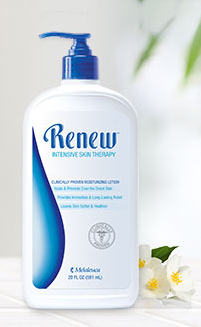
If you have dry, cracked skin, look for a cream or ointment with light petrolatum, allantoin, glycerin, hyaluronic acid and ceramides – the natural fats that bind the skin cell tiles.
After bathing, pat the skin dry with a soft towel. Rubbing causes more irritation and inflammation. With the door closed to keep the humidity in, add a moisturizer. When dressing, wear layers. The closest layer should be made of natural fibers. Soft fabrics like flannel and cotton cause little to no irritation compared to synthetic materials. Layers also are more effective against cold weather.
Winter skin relief comes many forms. Our skin needs hydration at night, too. Adding humidity to the air with a cool mist humidifier will not only hydrate your skin but will also provide a more restful sleep.
We’re really starting to see what all the fuss is about essential oils.
Last year we started using a few and posting about their uses.
Who knew I’d become a convert? Do you use essential oils? I know I’m looking forward to trying more of them. #essentialoils


Do you dress up your pet? We don’t mean a winter coat for the snow or a raincoat to keep them dry on their daily walks, we mean outfits for the day. Halloween costumes. Holiday outfits. Reindeer antlers.
We do. We do it because it amuses us and our pets don’t mind. They like the added attention and tolerate it for a little while. In fact they pose for photos!
But, please remember to keep your pets safe and comfortable in the pet clothing and costumes that you choose.
Tips for dressing up your pet: If your pet just doesn’t like dressing up, let them sit the holiday out. Be sure their outfit fits. Restricting movement or ability to breathe can cause injury or illness. Many pets like to chew. Avoid loose or dangling pieces which can cause choking hazards.
It’s cold and flu season and there are so many things you can do to strengthen your immune system.
I haven’t had a major cold or flu in years. I attribute that to my move out of a mold infested house, a healthy lifestyle and my Peak Performance multi-vitamins. Lifestyle and taking care of yourself does make a difference.
Here is a simple guide to maintaining health throughout the cold and flu season.

Happy Wellness Wednesday!
#wellnesswednesday #keephealthy
The Centers for Disease Control and Prevention wants to alert you about a respiratory infection that can affect your children and in some cases, adults. As it gets colder, parents make sure family members add layers and bundle up so they don’t become ill, but the CDC is warning parents to watch out for Respiratory Syncytial Virus or ‘RSV.’
RSV can start out as looking like a common cold. It is a respiratory virus that usually causes mild, cold-like symptoms and most people recover in a week or two. But RSV can also be serious, especially for infants and older adults.
In fact, RSV is the most common cause of bronchiolitis (inflammation of the small airways in the lung) and pneumonia (infection of the lungs) in children younger than one year of age in the United States. It is also a significant cause of respiratory illness in older adults. Right now, the CDC says there is not a vaccine available to treat RSV. There is a medicine that can help protect some babies. This medicine (called palivizumab) is a series of monthly shots.
Know the Symptoms: Fever; Reduced appetite; Runny nose; Cough; Wheezing
Help Prevent the Spread of RSV:

Wash your hands often.
Wash your hands often with soap and water for 20 seconds, and help young children do the same. If soap and water are not available, use an alcohol-based hand sanitizer that contains at least 60% alcohol. Washing your hands will help protect you from germs. Keep your hands off your face. Avoid touching your eyes, nose, and mouth with unwashed hands. Germs spread this way. I always keep my favorite hand sanitizer, Clear Sanitizer, with me because you never know when you will need protection from germs.
Avoid close contact with sick people. Avoid close contact, such as kissing, and sharing cups or eating utensils with people who have cold-like symptoms. Cover your coughs and sneezes. Cover your mouth and nose with a tissue or upper shirt sleeve when coughing or sneezing. Throw the tissue in the trash afterward and wash your hands.

Clean and disinfect surfaces. Clean and disinfect surfaces and objects that people frequently touch, such as toys and doorknobs. When people infected with RSV touch surfaces and objects, they can leave behind germs. Also, when they cough or sneeze, droplets containing germs can land on surfaces and objects. An everyday cleaner doesn’t kill bacteria and viruses. That’s why my final step in any cleanup—and in between cleanups—is my favorite Sol-U-Guard Botanical disinfectant. It is all natural and no chemicals and it works on 99% of germs!
Stay home when you are sick. If possible, stay home from work, school, and public areas when you are sick. This will help protect others from catching your illness.
For more information on RSV, please click here.
Here it is January 2 and one of the most common New Years resolutions is to “get into shape,” “eat better and work out more,” “to get fit and get healthy.”
These intentions make it one of the busiest times for personal trainers across the country. Because of this, January 2 is celebrated as National Personal Trainer Awareness Day.
National Personal Trainer professionals help make our promises from our resolutions, a reality. My personal trainer has played a major role in helping me achieve my health and fitness goals. I’m not done yet and still have a ways to go, but my trainer keeps me accountable and on track. I’m not someone who really enjoys working out, but I do love feeling fit. so I walk, swim and row almost daily and add in the obligatory weight time two or three times each week with my trainer coaching me to do more weight and reps.
With my trainer, 2019 will be the year my health and fitness goals are reached and exceeded!
Do you have a personal trainer or do you work out on your own?