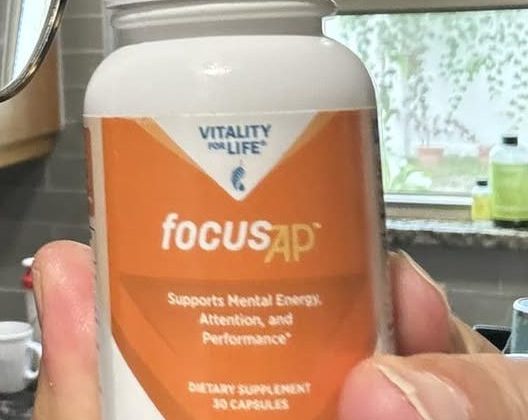
Facts about Coenzyme Q10 

CoQ10 is a nutrient that is naturally found in the body. As we age, our bodies produce less of this important nutrient plus our bodies break it down at a faster rate. It’s a very important nutrient. Check all that it does:

Cardiovascular Health: CoQ10 may improve heart function and reduce the risk of heart disease by acting as an antioxidant and supporting energy production in heart cells.

Antioxidant Activity: CoQ10 is a powerful antioxidant that can protect cells from damage caused by free radicals, which are unstable molecules that contribute to aging and disease.

Energy Production: CoQ10 is essential for the production of energy in the body’s cells. It may improve physical performance and reduce fatigue.

Muscle Function: CoQ10 may support muscle function and reduce muscle pain and weakness, particularly in individuals taking statin medications.

Neurological Health: Some studies suggest that CoQ10 may benefit individuals with certain neurological conditions, such as Parkinson’s disease and migraines.

Fertility: CoQ10 may improve fertility in women by enhancing the quality of eggs.

Other Potential Benefits: CoQ10 may have anti-aging effects, improve skin health, and regulate blood sugar levels.

You can find CoQ10 in beef, pork, chicken, fatty fish, eggs, spinach and broccoli but not in the amounts that we need, o supplementation is key.

Also know that if you are on a statin drug, that Rx stops your body’s natural production of CoQ10 so supplementing is critical.
Protein Shakes? How Much Protein Do You Need?

Caring for your health includes fueling your body with protein.
Protein isn’t just for athletes. It builds muscle, strengthens bones and boosts immunity. It keeps you satiated and keeps hunger at bay, so it’s an important tool in
weight loss.

Here are some general guidelines:

  • Under 50: Multiply your weight by 0.38 grams
  • Over 50? Multiply by 0.45 grams
  • For a 55-year-old at 150 lb., that’s 67.5 gram of protein daily, or about 22.5 g per meal.

It’s important to address your personal physical goals as well. You may want to drink a protein shake every day. A normal shake is two scoops, totaling 30 grams of protein; but if you don’t eat a lot during the day, you may want to use three scoops for a total of 45 grams of protein.

Typically, it is recommended a woman take 20 grams of protein in her shake UNLESS she’s trying to build muscle (which most of us need to do), and in that case, she could add 30 grams of protein to her shake.

Make certain to check your labels.I use a shake that has ZERO sugar. Stay away from convenient shakes like Ensure. Ensure only offers 9 grams of protein but has 10 grams of sugar, plus a blend of vegetable oils!

Knowledge is protein power.

Do you “Shake”?

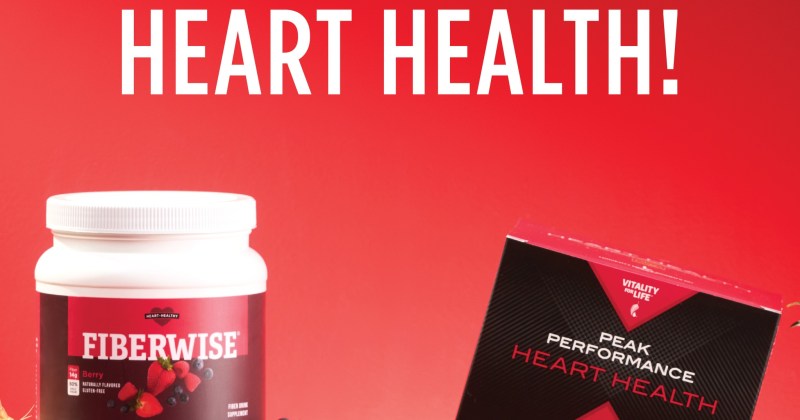
Heart Health Month is in full swing!

What have you been doing to support your hardworking heart?

The Peak Performance Heart Health Pack and FiberWise make an incredible team for supporting your heart and your overall wellness. From healthy cholesterol support and antioxidant protection to gut-health support and toxin cleanup, these two exceptional products fuel your heart and body with the comprehensive nutrition and fiber power your body needs every day!*

*These statements have not been evaluated by the Food and Drug Administration. These products are not intended to diagnose, treat, cure, or prevent any disease.

Staying “Focus”ed

I have been taking this product since June 2024. I have to say that it is an absolute game changer for mental clarity and consistent focus ability.
One small capsule per day first thing in the morning, and it literally lasts all day long. I feel amazing. I am fully alert and focused throughout the entire day.

New Finding on Vitamin D Levels!

New research reveals that vitamin D may play a more significant role in overall health than previously understood. A comprehensive review of 99 randomized, controlled trials involving over 17,000 participants worldwide offers new insights into the potential benefits of vitamin D supplementation.

Key findings suggest that taking an average of 3,320 IU of vitamin D daily may lead to improvements in several health markers:

  • reduced blood pressure
  • lower overall cholesterol
  • decreased Hemoglobin A1C
  • improved fasting blood glucose and insulin levels

Many of you only take 2000 IU’s, and this suggests that may not be enough. Remember that D3/K2 is critical to help get the vitamin D out of the blood (which can lead to calcifications) and to the bones where it is needed!

Have you ever heard of the French Paradox?

We all know that high saturated fat and high cholesterol foods are bad for our hearts, right?

The French consume more of these foods than we do, yet they enjoy significantly better heart health. This finding seemed to contradict other research that clearly linked fat-laden diets with increased risk for heart disease.

Many researchers attribute this paradox to the heart-healthy components of grapes. While the French may eat more fatty foods, they also drink more wine with their meals. The grapes used to make the wine are an extremely potent source of natural antioxidants including flavonoids.

Of all the potential vegetables, fruits, herbs, exotic berries, nuts, and roots that lead to a healthier heart, none compares to the purple grape. Purple grapes are filled with polyphenols that positively impact the interior of blood vessels unlike anything else.

That said, drinking wine every night is not a wise move for many for obvious reasons.

That’s supplement my diet with two of my very favorite ingredients daily!

Grape Seed/Skin Extract: A super-concentrated, natural extract associated with maintaining healthy blood pressure and supports healthy endothelial function. Grape skin includes many critical natural compounds that are extremely useful for a healthy cardiovascular system, called Anthocyanins. Anthocyanins are powerful polyphenolic compounds that are especially helpful in maintaining a healthy endothelial function.

Resveratrol: A polyphonic compound found in grapes and some berries. Resveratrol has been shown in lab tests to neutralize free radicals and is associated with a wide variety of beneficial physiological effects, including cardiovascular health. It is also associated with helping maintain healthy endothelial function. It’s suggested in several studies that resveratrol has a positive impact on diseases such as cancer.

Question: Do you look at the ingredients in your supplements? 

Magnesium

Did you know…

that over 600 processes in your body revolve around magnesium?

Processes like creating energy, protein formulation, gene repair and maintenance, muscular movement and the nervous system.

  • Magnesium helps with exercise performance.—One study involving athletes showed that a magnesium supplement boosted their physical performance by creating energy when it is need immediately. 
  • Magnesium helps Type II Diabetes. —Studies have shown that blood sugars and A1c levels improve with consistent use of magnesium.
  • Magnesium helps Inflammation.— Supplementing with magnesium helps to control or reverse inflammation, which if left untreated leads to early aging, chronic diseases and obesity.

As with any supplement, not all magnesium supplements are created equal. I use a powdered formulation—which makes it easy to add to lemonade, water, protein shakes, and more. It also has Vitamin B6, which is essential for delivering the magnesium directly to the cells.

Magnesium ranks high in order of importance when it comes to your health, so if you aren’t taking magnesium, maybe now is the time to start!

Exercises for Our Eyes?

We often take our eyesight for granted. 

One of the meds I take has a side effect: it can lead to blindness. My mother had macular degeneration and had to take painful injections monthly for that. So given that history, I take a specific supplement to strengthen my eyes.

Now I plan to add in an exercise regimen — for my eyes. 
Just like many other muscles in the body, the muscles of the eye, including those responsible for changing the focal length of your vision—can atrophy without exercise.

Here are nice exercises that will help you keep your eyes in the best shape they can be:

Strengthen near and far focusing. Focus on your thumb 10 inches away for 10–15 seconds, then switch focus to an object 10–20 feet away. Repeat five times to improve focus adjustment ability.

Blink for a minute. Blink rapidly for 30–60 seconds to regulate blood circulation, lubricate your eyes, and prevent dryness.

Rotate your head while staring ahead. Turn your head in a circular motion while keeping your gaze straight ahead. This improves blood circulation to your eyes.

Look to your right and left. Slowly move your gaze from right to left while breathing. This one relaxes and stretches the eye muscles.

Close your eyes and relax. Close your eyes for at least 30 seconds to relax and strengthen your photoreceptor cells.

Move your gaze in different directions. Shift your gaze right-left, up-down, in circular motions, and trace a figure eight with your eyes. This improves visual perception for both near- and far-sightedness.

Close and open your eyes. Tighten your eyes shut for 3–5 seconds, then open them. Repeat seven times to improve blood circulation and relax your eye muscles.

Push against your temples with your fingers. Gently press your temples with your fingers for two seconds, then release. Repeat 4–5 times to improve fluid circulation in your eyes.

Draw geometric figures with your gaze. Use your eyes to trace shapes such as triangles, squares, and circles to enhance your eye coordination and muscle strength.

An Aspirin a day … 

…does more than keep the doctor away.


We are not talking Tylenol; that’s Acetaminophen. Aspirin has shown effectiveness in diabetes, multiple sclerosis, cardiovascular disease, cancer, the list goes on. In fact, research shows that it has multiple anti-cancer mechanisms. Aspirin has been shown to:

  • Reduce inflammation
  • Reduce blood clotting
  • Reduce lipolysis (the breakdown of fats that drive cancer progression)
  • Reduce the formation of new blood vessels to tumors (angiogenesis)
  • Act as an antioxidant
  • Counter the effects of estrogen
  • Counter the harmful effects of seed oils
  • Help to restore mitochondrial function (the brain of a cell)
  • Help to restore glucose metabolism

But before you run to the store to start taking aspirin, read on to get the full picture.

Aspirin has a lot of great benefits, the most common being for cardiovascular health. It helps to thin the blood and therefore prevent blood clots that can lead to stroke. Many individuals have been advised by their doctors to take a low dose aspirin (81 mg or baby aspirin) every day because of high homocysteine levels indicating a higher propensity for blood clotting. This “thick sticky blood” can also be a great environment for cancer cells, which is another reason some individuals take it..

Research warns against aspirin due to its harmful effects on the digestive system. However, other studies show that it may actually be protective. One found that low‐dose aspirin is associated with a 54% reduced risk of gastric cancer. Other research suggests that it may mitigate the effects of gluten sensitivity. But before you reach for the Bayer, know this:

Many aspirin brands contain heavy metals, something you don’t want in your body. You may want to try an aspirin powder such as Health Natura which is 99% pure—meaning it has no starches, binders, preservatives, etc. It’s a powder that you mix with water or even add to smoothies.

You need to know WHY you are taking a medication (or in this case, an over the counter option) and continue to monitor results, because you may not always need that aspirin.

Melatonin 

This hormone has been around a long time to help improve sleep. But research show that melatonin can have anti-cancer benefits too.
It’s been shown in several clinical studies to reduce side effect severity when taken along side chemotherapy and radiation. But adding melatonin to one’s daily regimen can help with survival rate and tumor regression.

How much melatonin should you take depends on your health and what your goals are.

To improve sleep, it’s generally suggested to take one to three mg of melatonin before bedtime. However, for those fighting cancer or who are in remission, human studies show that higher doses (20mg/night) can result in even higher survival rates by almost double.

It also can help minimize the negative effects of cancer treatments. 

  • Decrease the level of fatigue
  • Improve cognitive function (brain fog)
  • Protect agains lower platelet counts and neurotoxicity
  • Reduce symptoms of depression

Even if cancer is not your concern, we are exposed to so much artificial light (televisions, computers, phones, tablets, etc), that our melatonin levels can drop and our sleep cycles can be disrupted. 

Consider adding Melatonin to your supplements to help create a great night’s sleep!