
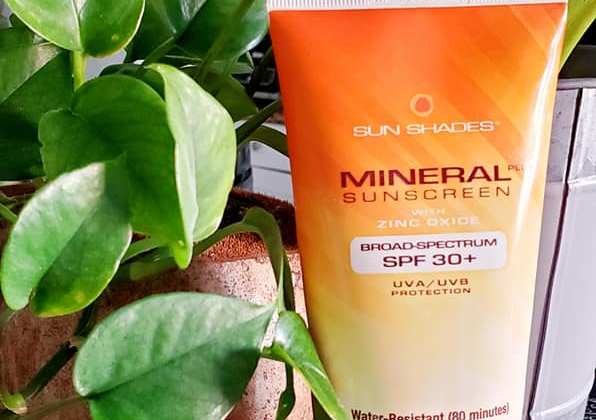
Using a safer budget-friendly sunscreen

Most people seem to think that sun-screen is only for the warmer, summer months. You know at the beach, playing ball and the rest. But the sun still shines in winter and, if you participate in outdoor snowy sports, the glare from the sun is so much greater than one would think. Plus, many people head to warmer climes to escape the snow and they need to take care of skin
protection as well. There’s never a time you shouldn’t be concerned about sun damage.
Painful sunburns can happen anywhere and at anytime.

So for on-the-go UVA/UVB protection, I grab Sun Shades Sport SPF 50 Sunscreen. Sun Shades Sport features dermatologist-recommended avobenzone and an exclusive natural blend of vitamins and antioxidants. This sunscreen helps protect skin against signs of premature aging and environmental damage for 80 water-resistant minutes and sprays on evenly for protection without feeling sticky or tacky on your skin.

Water-resistant, it protects against harmful UVA and UVB sun rays with quick and complete spray-on coverage.

  • SPF 50
  • Sprays onto the skin in a complete, uniform layer 
  • Feels natural and clean on your skin 

Using a safer alternative that is budget-friendly is what matters most to me
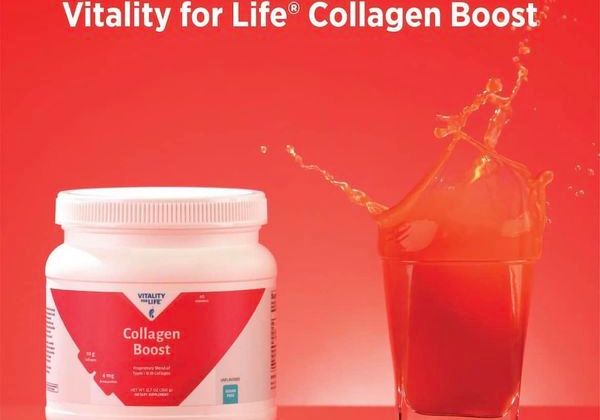
Sunscreen and collagen ? Yes, please!

Astaxanthin is a carotenoid found in certain algae. (It’s what gives salmon, lobsters, and flamingoes their pinkish color!!)

This antioxidant is 6,000 times more potent than Vitamin C; 560 times more potent than green tea; and
800 times more potent than CoQ10, providing the highest level of protection for your brain, heart, eyes, skin and entire body!

Astaxanthin protects the skin against the damage associated with sun exposure—because of its potent antioxidant properties, it neutralizes the free radicals produced by the sun’s rays and prevents the typical damage caused by sunburn.

Astaxanthin has an impressive ability to help skin manage photodamage by promoting new skin cells, elastin, and collagen production.But it doesn’t replace topical sunscreen—you still need to use that every two to three hours.

Taking astaxanthin daily can:

• Improve skin elasticity

• Reduce age spots and wrinkles

• Protect cells against UVA-induced skin damage

• Work as an internal sunscreen

It’s a great supplement to take in the summer, but the health benefits are good year-round!

Like this if you love the sun and your skin!

It’s just a little bit…

It’s just a little bit of heavy metals in your food

It’s just a little bit of benzene in your sunscreen

It’s just a little bit of chlorine in your water.

It’s just a little bit of PFOAs in non-stick pans

It’s just a little bit of endocrine disrupters in your perfumes and air fresheners

It’s just a little bit of parabens in your make-up

It’s just a little bit of colored dyes in your snack.s 

When does “just a little bit” becomes just a little bit too much for the body to handle?
Don’t wait until it’s too much for your body to handle and process!
Start reducing your external toxic exposure today! Read the labels, seek out safer products.

When you know better, you do better. the products I use are safer for my home, safer for my family, and better for the planet! Not to mention made in America and at my door a few days later! 

Did you know…

The FDA requires that all sunscreens maintain their full strength for three years—so, if you have leftover sunscreen at the end of the summer, you should be able to safely use it for two more summers. Some sunscreen manufacturers print the expiration date on the bottle or label, but not all do. When you buy a bottle of sunscreen, check for an expiration date. If it doesn’t have one, write the date of purchase in permanent marker on the container.
Be Happy and Be Healthy!

Summer and sunscreen

Before you head out to the beach today, don’t forget your sunscreen. You want to keep yourself healthy and free of melanomas in the future.

Did you know a healthy sunscreen does more for just keeping you free of sun damage? By using the right kind of sunscreen you can help keeping our coral reefs healthy. Using reef safe sunscreen can help! Here is a cheat sheet on what to look for to determine if your sun screen is safe.