Are you reading your labels?

Maybe you should!

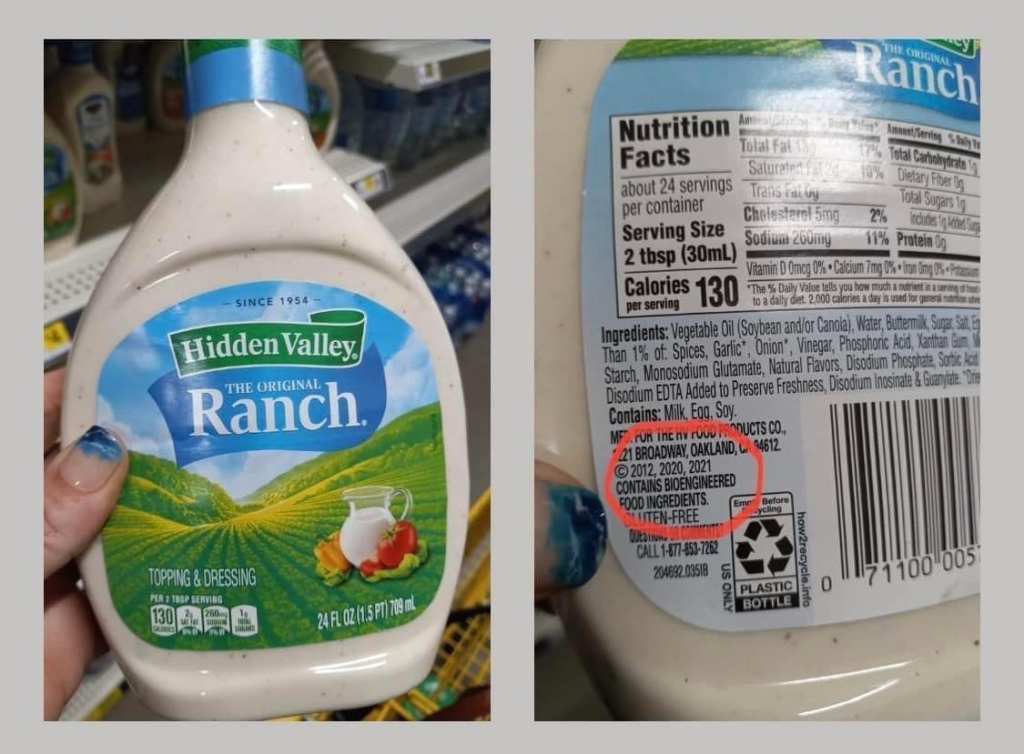
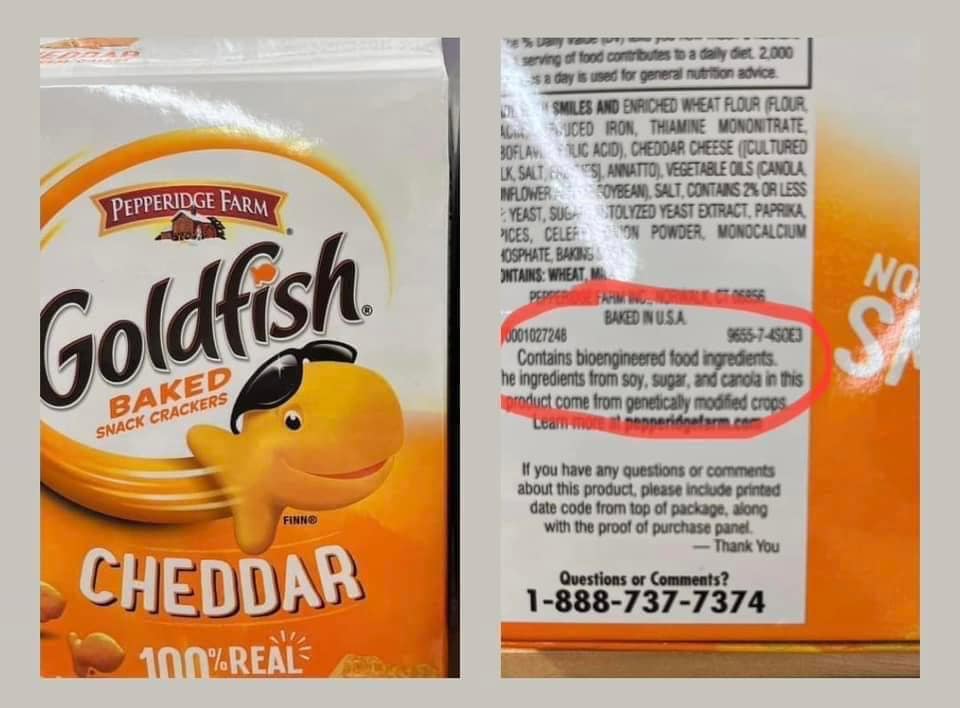
At the beginning of this year, the USDA established some new rules for labeling on controversial modified crops and ingredients. Previously, these rules varied state by state and now there is a more universal approach to labeling “BE’s”.

Simply put, bioengineered food is any food that’s been genetically modified, or GMO’s. Below is a small taste of some of our food supply that has been are genetically modified/bioengineered, but I could post dozens of foods.

These actually say that they are BE in tiny letters but many others don’t. They can just put a BE seal, a QR code that you have to scan or a phone number. 

Most children’s cereals, PopTarts, Campbell’s Chicken Noodle Soup, Dannon Light & Fit yogurt, 

Believe it or not, even Argo Baking Powder has bioengineered ingredients in it.

This is a controversial subject. Some feel strongly about it, while the government will tell you GMO’s are safe.

What are YOUR thoughts?
Cancer cases in under-50s worldwide up nearly 80% in three decades, study finds

More than a million under-50s a year dying of cancer and figure projected to rise by another 21% by 2030

Global cases of early onset cancer increased from 1.82 million in 1990 to 3.26 million in 2019, while cancer deaths of adults in their 40s, 30s or younger grew by 27%. More than a million under-50s a year are now dying of cancer, the research reveals.

 The authors of the study, published in BMJ Oncology, say poor diets, alcohol and tobacco use, physical inactivity and obesity are likely to be among the factors.

“Since 1990, the incidence and deaths of early onset cancers have substantially increased globally,” the report says. “Encouraging a healthy lifestyle, including a healthy diet, the restriction of tobacco and alcohol consumption and appropriate outdoor activity, could reduce the burden of early onset cancer.”

Tho read the full article, click here.

One Reason Why I Would Never Use Any Other Household Products

In June of 2010 for an in-home presentation I put a squirt of Melapower Laundry detergent and some water into a clear eight-ounce preserving jar and fastened the lid. I always made sure to have a bottle with Melapower and water as well as the “competition” in a separate bottle. The competition? Tide with water. I did this so, whenever I did an in-home or a product training, I could show the differences between the two products. These bottles also showed how Tide was full of chemicals and Melapower was chemical free. You could see with your own eyes the difference between the two products and how Melapower is definitely chemical free! I always labeled the bottles to show no matter how long the Melapower was in the bottle nothing changed. unlike the Tide bottle.

GUESS WHAT?

I found that bottle on Saturday tucked away on the back of a shelf in my office. Believe it or not, the water has dev eloped a slight blueish tinge to it, but nothing else. I haven’t opened the bottle and I have no plans to open it. This product has spent fourteen years in the bottle and there isn’t any scum or bacteria growing. There isn’t any mold growing either. But that bottle that with Tide and water, often had mold growing and the metal lid rusted through. The label & the lid on the bottle with Melapower are still on the bottle

The best product wins, as the saying goes “The Proof Is In The Pudding!!

Did you know pets CAN improve your health?

Having a pet can…

  • Boost our mood
  • Improve blood pressure
  • Lower cholesterol
  • Ease depression
  • Act as an exercise buddy
  • Open the door for social relationships (Dog parks, etc)

Do you have a pet? Why not share a photo of your pet?

Here’s a photo of Pinot.

Consider this a friendly warning:

If a product needs a Safety Alert tag and there are safer, not to mention cheaper, alternatives out there, why are we even debating?

I guess it’s because not everyone has discovered the secret to finding these better options. But don’t worry, I’m here to change that!

I’ll continue to be the outspoken advocate that I am, laughing all the way! Only 2% of the US shops where I do, which means I’ve got 98% of you to enlighten.

And I’ll do it with no apologies, just pure love! 

Looking for a safer toothpaste?

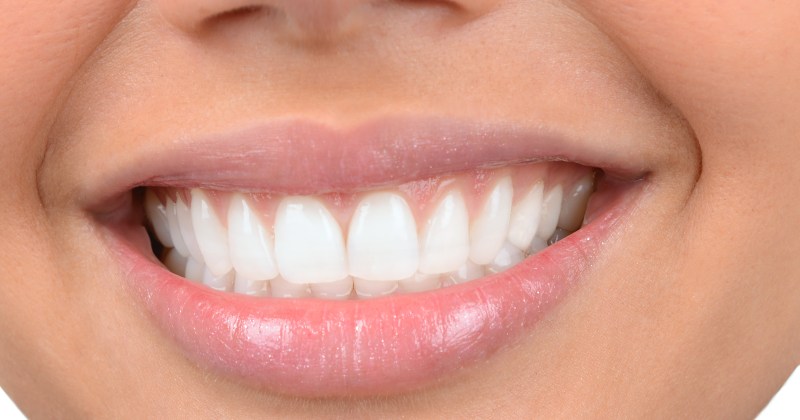
Since today is Dentists’ Day, lets talk about getting a Naturally Healthy Smile

This popular Classic Tooth Polish uses a different approach to whitening smiles. Instead of just bleaching stains, Classic Tooth Polish permanently removes them to naturally reveal a brighter, cleaner smile. And the best part? Our secret to whitening teeth doesn’t come from a lab—it comes from papaya. Papain is a naturally occurring enzyme found in the rinds of mountain papaya. This unique enzyme has the ability to break down the building blocks of stains, making it a natural tooth whitener. Instead of bleaching stains to mask the discoloration, papain actually helps remove stains from the tooth’s surface.

Natural Ingredients for a Naturally Healthy Smile

When it comes to controlling oral bacteria, this Tooth Polish brings together a unique combination of ingredients to prevent plaque, tartar, and gum disease for a lifetime of healthy smiles.

  • T40-C3® MELALEUCA OILThe purest form of this essential oil harvested from only the Melaleuca alternifolia tree, this precious extract helps control oral bacteria and freshens breath.
  • PAPAINA potent natural enzyme extracted from the mountain papaya, papain breaks away stains on the tooth’s surface for whiter teeth without damaging tooth enamel and compromising oral health.
  • MYRRH This precious resin from certain African and Middle Eastern trees is a natural astringent. Traditional medicine has long recognized myrrh for its germ-fighting abilities.
  • Cutting-edge ProRadiant Technology perfectly sweetened by stevia.

Plus, there are no adverse side effects and it’s safe to use daily for adults and children. It’s even safe enough to eat!

If you’d like to know more about the benefits of the Wellness company’s all-natural oral care products, contact me. I am so glad I switched

Wellness Wednesday

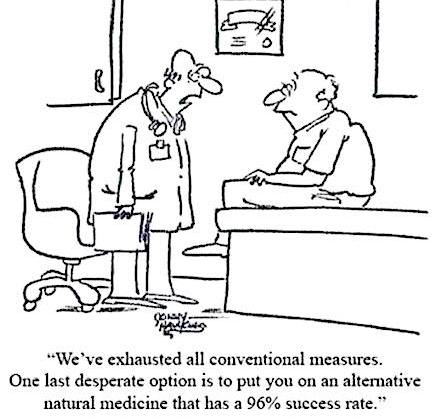
Unfortunately today, most conventional measures are a band-aid for symptoms without getting to the root cause.

Whether our bodies function, move or perform well has everything to do with the lifestyle stimulus we give it on a daily basis. The body needs a few simple things, and without them we cannot achieve our full health or human potential.

If we short change our body over time we eventually pay a big price. If we invest in ourself daily with a few simple principles and know about alternative natural health options, we can maximize the days in our life and the life in our days.

Gluten Free Challenges

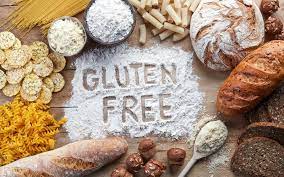
If you must (or choose) to go gluten-free, one of the challenges is getting enough dietary fiber. 
Why is that, you may wonder.

You see, on a typical diet, your doctor might tell you to eat more healthy whole grains, like wheat bran, whole wheat bread and cereals to increase your fiber intake. That can be a problem for those with celiac disease who are on a gluten-free diet since many gluten-free foods are low in fiber.

The good news is that there are plenty of gluten-free alternatives to whole wheat that are still high in fiber.

There are two types of dietary fibers – soluble and insoluble.
Soluble fiber soaks up water as it passes through your system, which helps bulk up your stool and guard against diarrhea. Examples of foods with soluble fiber include:

  • Legumes (beans, peas, lentils, chickpeas, soybeans)
  • Fruits (apples, pears, oranges, prunes)
  • Vegetables (carrots, broccoli, Brussels sprouts, eggplant)
  • Sweet potatoes
  • Ground flax seeds and chia seeds

Insoluble fiber helps prevent constipation. Examples of foods with soluble fiber include:

  • Quinoa
  • Buckwheat
  • Millet
  • Wild and brown rice
  • Nuts (almonds, walnuts, pecans)
  • Fruits (strawberries, papayas, mangoes)
  • Vegetables (cucumber, asparagus, okra)

When consuming a diet rich in fiber, it is important to drink water to prevent constipation. Consuming about eight (8-ounce) glasses per day is recommended for adults.

To go gluten-free or not: That is the question!

Actually, it’s not that simple.

There are benefits of going gluten free, true. For those with celiac disease, it’s a priority! If you don’t have celiac disease, there are several things to consider before going gluten-free:

  • Lack of fiber. Most Americans already miss the mark on fiber. Women require 28 grams of fiber/day, men need 35 grams. The average American gets less than 15 grams a day. That means you will need to think about taking a fiber supplement.
  • Increased risk of Type II Diabetes. Research showed that when participants ate gluten, they were less likely to be diagnosed with type 2 diabetes. The study showed that the more gluten in the diet, the lower the risk of diabetes. Fiber, vitamins and nutrients found in healthy foods containing gluten proved to be beneficial to the overall health of the participants.
  • Weight Gain. Many gluten-free baked items like muffins, cookies or brownies are higher in calories and sugar than their ‘normal’ gluten-containing counterparts. That’s because the items still need to taste good and offer similar texture, but one one item is removed another is there to take it’s place and it can be in the form of a higher sugar or fat content. Because people are tricked into thinking they’re making a ‘healthier’ decision when they choose a gluten-free diet, they often don’t take the time to check labels and nutrition facts. This can lead to weight gain and mote unhealthy choices.
  • Lack of essential vitamins and nutrients. Switching to a gluten-free diet by choice means you also need to be mindful of what you eat. This makes it more difficult to maintain a balanced diet, which may lead to completely unnecessary added stress in the grocery store aisles for limited benefits. Reseach shows that people on a gluten-free diet have increased levels of heavy metals in their blood and urine – possibly due to the increased consumption of rice in gluten-free foods.

Making the choice of going gluten-free is not an easy one. Based on the way that gluten works, it’s an all or nothing decision. If you think going gluten-free is for you, please do your research.

How safe are your beauty products?

Clean beauty doesn’t have to cost a fortune! My wellness Company’s wellness-inspired beauty taps into nature’s most powerful sources for skin enhancing ingredients and combines it with effective science to create safer products that enhance, highlight, and perfect, without breaking the bank!!

• NO hormone disrupting chemicals
• NO parabens
• NO phthalates
• NO harmful dyes or colorants
• NO mercury
• NO micro plastics

Plus, they can save you money!