If Americans over 40 walked as much each day as the most physically active members of the population, they could extend their life span by at least five years, a new study finds.
The least physically active 25% of the population stood the most to gain, according to the predictive model: For each hour of walking they do, they can extend their life by about 6 hours.
Christopher Schneble, MD, Yale Medicine sports medicine physician and assistant professor of orthopaedics and rehabilitation at Yale School of Medicine (who was not involved in the study) says……
“Engaging in physical activity can result in improved preservation of bone density, improved strength, reduced body fat, and better cardiovascular health. It can also lead to improvements in both mood and cognitive function. Improving things like heart rate, blood pressure, or the amount of excess body fat can all help decrease how hard the heart must work to pump blood throughout the body, which in return is protective.”
So schedule in some time to walk and set a goal to walk every day! Your body will thank you for it!
Functional Medicine Doctor, Dr. Mark Hyman shared this quick tip for improving your blood sugars: Sitting for hours at a time doesn’t just affect your energy—it can seriously disrupt blood sugar control.
A recent study reveals that interrupting prolonged sitting with short bursts of movement can significantly improve glycemic control.
In the study, participants who performed three minutes of walking or 10 bodyweight squats every 45 minutes had better blood sugar regulation compared to those who stayed seated or even those who took a single 30-minute walk. These frequent, targeted bursts of activity were shown to activate key muscle groups like the quadriceps and glutes, leading to better glucose management throughout the day.
Working out at the gym is great, but if you are pressed for time, remember….. get up and move!
I don’t know about you, as I get older, my dinner hour keeps getting a little earlier. Can anyone relate? In reality, that’s not a bad thing. You know, that old advice to stop eating a few hours before bedtime exists for a good reason: Late night snacking may disrupt your sleep, add to weight gain, and increase your risk of Type 2 diabetes. Late night eating can have these consequences:
Bigger Blood Sugar Spikes (which leads to a host of health problems)
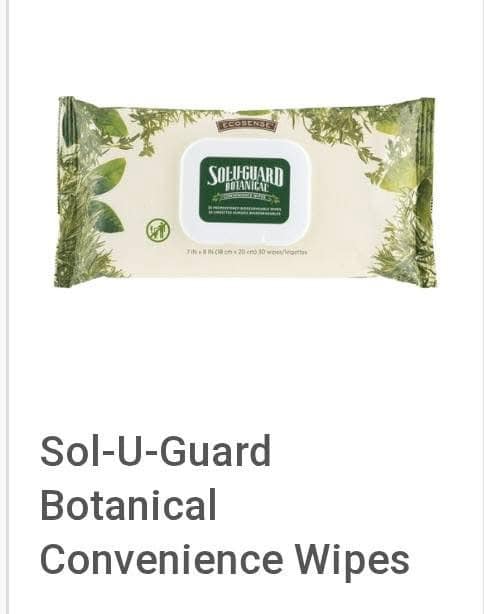
Just in case you’re using vinegar as a disinfectant…it’s not nearly as powerful as Sol-U-Guard, which is the only EPA-registered plant-based disinfectant that DOES kill 99.9% of germs and viruses, including Influenza, SARS, COVID-19, E-coli, and more!
Undiluted vinegar doesn’t kill viruses sufficiently enough to qualify as an EPA registered disinfectant, and it doesn’t kill dangerous bacterial like staphylococcus. Once you dilute vinegar as part of a DIY cleaning solution, you’re reducing the virus-killing power even more. Vinegar is not an EPA-registered disinfectant and it’s not powerful enough to be used for sanitizing settings like childcare, schools, or even your own home. Vinegar does not kill 99.9% of viruses and bacteria so you’ll want to swap vinegar for an EPA- registered disinfectant when you want to protect your family from viruses like COVID-19. Vinegar is not sufficiently effective to be on the EPAs List N – the disinfects approved agains SARS CoV-2 (the cause of COVID-19).
We’re often exposed to viruses in high-traffic areas where we’re coming onto contact with droplets from other people, and where it is challenging to keep your hands clean. Due to a dubious level of commitment to hand washing and a penchant for unhygienic sharing practices, children are great germ vectors! This makes childcare settings and schools a high priority when it comes to killing viruses—and vinegar isn’t potent enough to help in this area. While vinegar can be use to physically remove dirt and grime, vinegar does not kill germs thoroughly enough to be used as a disinfectant or sanitizer in schools. Yet, vinegar can be caustic when used in high concentrations.
A great way to kill viruses and cut down on hitchhiking germs that are coming home from school is to spray items down daily with an EPA-registered disinfectant Like the one I use, Sol-U-Guard.
Sol-U-Guard kills 99.9% of household germs using the ingredients thyme oil and citric acid.
Thyme-tested thyme oil. The thyme plant uses thyme oil as an I’mmune system—killing microorganisms before they an invade.
Naturally safe and effective Citric Acid. Every drop of citric acid that goes into each bottle of Sol-U-Guard Botanical takes over 100 hours to process, including 35 hours spent on filtering alone.
Sol-U-Guard literally makes germs spill their guts. Many viruses are surrounded by a lipid envelope. When Sol-U-Guard breaks down this envelope, the virus is killed. Soluguard is all-natural and patent protected (#7642227)
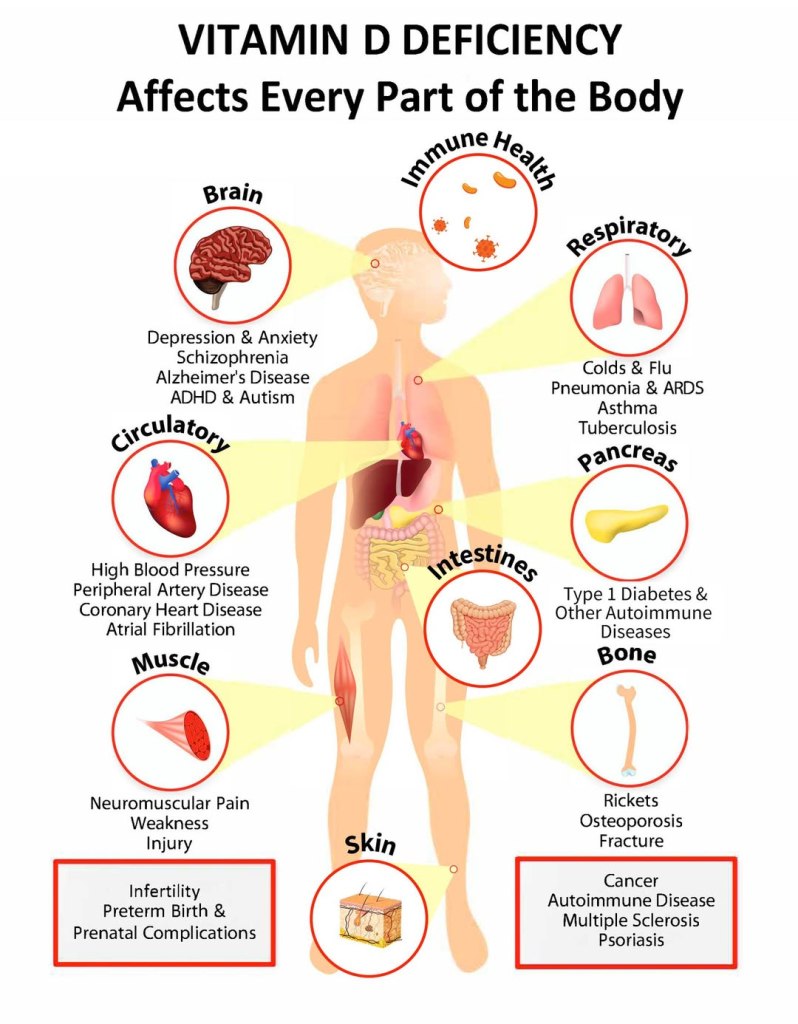
Publications support the theory that we have an epidemic of vitamin D deficiency. It’s estimated that nearly half of Americans have “insufficient” vitamin D levels (under 29 ng/ml) and 14 percent are deficient (under 19.6 ng/ml). On the other hand, Vitamin D blood levels of 50 ng/ml or higher have been found to protect against respiratory infections like influenza and corona-type viruses.
I know many people believe that “I get my Vitamin D from the sun” and I know Ido a well. But there are a few various factors limit adequate D absorption from sun exposure (age, skin tone, your BMI, geographic location, time of year, infection). Just because I’m in Florida and out in the sun every day, it doesn’t mean I don’t need to supplement with Vitamin D and D3/K2 in order to keep my vitamin D at a healthy level. Remember too, when we use sunscreen, we block out 98% of the Vitamin D we would normally absorb..
At your next physical, be sure and request your D3 lab marker. If you don’t request it, the doctor won’t do it!
For me, I pretty much switched all my cleaning products at the same time, but TILEX was first out the door. When I became more aware of the toxic ingredients in cleaning and laundry products, I picked up the TILEX bottle and it literally said “Do not stay in room while using this product”! Yeah…read that last statement again and then think about it.
Interestingly enough, in 2015 and then again in 2019, Clorox amended the label to sound not so scary. It now says:
“Wash hands and any exposed skin thoroughly after handling. Wear eye protection/face protection such as safety glasses. IF IN EYES: Rinse cautiously with water for several minutes.”
We take warning labels for granted.
Did you know that TIDE and grocery store laundry detergents have an ingredient called 1.4 Dioxane, which is a known carcinogen? It’s banned in Europe and finally certain states are establishing laws. Unfortunately, all the manufacturers do is “reduce” the amount instead of removing it entirely…like that makes it okay.
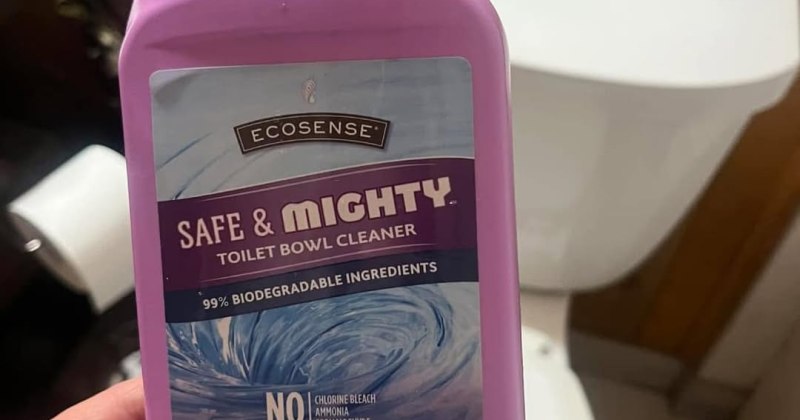
Nevermind that it contains NO Chlorine Bleach, NO formaldehyde, No ammonia, no parabens and no phthalates….IT SMELLS LIKE DANG PEPPERMINT AND IT WORKS AMAZING! It’s a “crappy” job hahaha. (Pun Intended) but we all gotta do it. Might as well enjoy the experience the best you can, right!?
Caring for your health includes fueling your body with protein. Protein isn’t just for athletes. It builds muscle, strengthens bones and boosts immunity. It keeps you satiated and keeps hunger at bay, so it’s an important tool in weight loss.
Here are some general guidelines:
Under 50: Multiply your weight by 0.38 grams
Over 50? Multiply by 0.45 grams
For a 55-year-old at 150 lb., that’s 67.5 gram of protein daily, or about 22.5 g per meal.
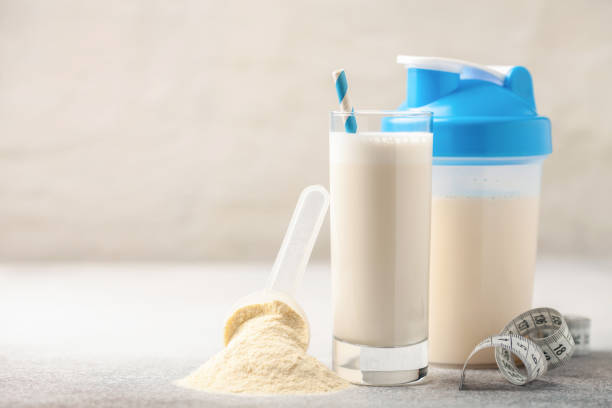
It’s important to address your personal physical goals as well. You may want to drink a protein shake every day. A normal shake is two scoops, totaling 30 grams of protein; but if you don’t eat a lot during the day, you may want to use three scoops for a total of 45 grams of protein.
Typically, it is recommended a woman take 20 grams of protein in her shake UNLESS she’s trying to build muscle (which most of us need to do), and in that case, she could add 30 grams of protein to her shake.
Make certain to check your labels.I use a shake that has ZERO sugar. Stay away from convenient shakes like Ensure. Ensure only offers 9 grams of protein but has 10 grams of sugar, plus a blend of vegetable oils!
What have you been doing to support your hardworking heart?
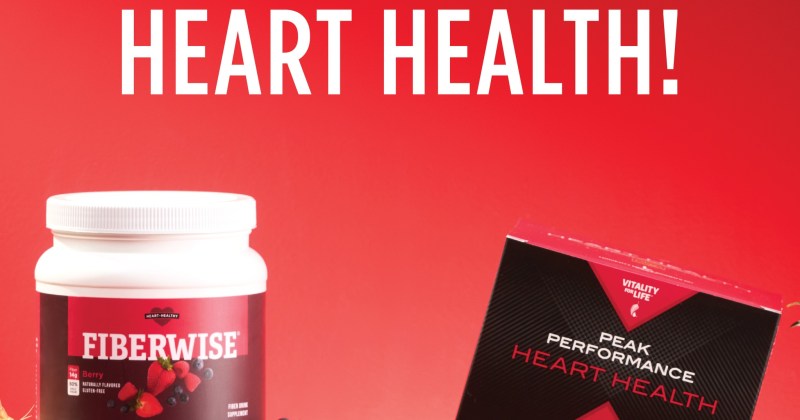
The Peak Performance Heart Health Pack and FiberWise make an incredible team for supporting your heart and your overall wellness. From healthy cholesterol support and antioxidant protection to gut-health support and toxin cleanup, these two exceptional products fuel your heart and body with the comprehensive nutrition and fiber power your body needs every day!*
*These statements have not been evaluated by the Food and Drug Administration. These products are not intended to diagnose, treat, cure, or prevent any disease.
A 28 year scientific study with over 92,000 participants found that those who consumed at least 7 grams of olive oil daily had a 28% lower risk of dementia-related death.
Interestingly enough, this statistic held true after adjusting for diet quality, genetics (including the APOE ε4 gene, which increases dementia risk), and lifestyle factors.
Why is olive oil so protective?
It’s packed with monounsaturated fats, polyphenols, and vitamin E, which have been shown to:
Protect brain cells from oxidative damage
Reduce neuroinflammation, (inflammation in the central nervous system), a key driver of cognitive decline
Support vascular health and maintain blood flow to the brain The study also found that replacing just 5 grams of margarine or mayonnaise with olive oil was associated with an 8–14% lower risk of dementia mortality. This highlights how eliminating harmful trans fats and switching to brain-supportive fats can make a measurable difference.
Dementia rates are on the rise so these findings reinforce that what’s on our plates directly impact our brain health. Prioritizing extra virgin olive oil may be a simple yet powerful strategy for brain health!







 Hayseeds Creative