

This is a good start to my Friday morning! Hazelnut Coffee and the French Vanilla GC Control…mmm, mmm, good! Sometimes I mix my coffee together with GC Control Cream Brulée for a different and delicious morning treat.

This is a good start to my Friday morning! Hazelnut Coffee and the French Vanilla GC Control…mmm, mmm, good! Sometimes I mix my coffee together with GC Control Cream Brulée for a different and delicious morning treat.

When it comes to weight management, refined sugar in all its forms — high-fructose corn syrup, dextrose, rice syrup, sucrose and many others — is certainly one of the top items to get knocked off an eating list.
Harvard University’s School of Public Health suggests that to achieve a healthy weight, you should limit “lower-quality foods” including sugar-sweetened beverages, refined sugar and highly processed snacks. But your waistline isn’t the only thing affected by excess sugar consumption. Overindulgence on the sweet stuff can affect you in some other surprising ways:
1. Sleep Interuption. According to the National Sleep Foundation, an after-dinner dessert is a great way to get a terrible night of sleep. In fact, the organization notes, the more sugar you eat during the day, the more likely it is you’ll wake up during the night. That’s because sugar lowers the activity of orexin cells, a neuropeptide that regulates how wakeful you are. More bad news: These cells also help control appetite, so if they’re feeling off-kilter, you’re more likely to eat more.
2. Increased Colds and Flu. When it comes to an effective immune response — your system needs to be on high alert during cold and flu season — sugar could be defeating your white-blood-cell army. When you eat a big dose of sugar, like a soda or a candy bar, you temporarily suppress your immune system’s ability to respond to invaders. If that happens occasionally, it may be no big deal, but since the effect lasts for a few hours, you could be consistently sabotaging your immune syste if you eat sugary food regularly.
3. Increased Risk of Heart Disease. Sugar can affect your weight goals, but it affects your heart even more. A major study published in JAMA Internal Medicine suggested a sugar-packed diet may raise your risk of dying of heart disease, even if you aren’t overweight. In the 15 year-long study, participants who ingested 25% or more of their daily calories from added sugar were more than twice as likely to die of heart disease than those who consumed less than 10% of added sugar.
4. Potential Depression. Although much is made of the mind-body connection when it comes to health and wellness, less attention has been put on the mood-food link. But sugar can be notorious for causing emotional fluctuations, including anxiety, frustration and even depression, according to Dr. Elson Haas, author of Staying Healthy With Nutrition. He notes that refined sugar has been shown to deplete important nutrients, such as protein, vitamin B, zinc, chromium and manganese—deficiencies can lead to lower levels of emotional and mental functioning. When these nutrients remain in the immune system, individuals notice a marked difference in their moods and emotional states.
5. Skin Problems. Refined sugar and many other high-glycemic foods raise insulin levels in the body and that increases inflammation. When that happens, the inflammation produces enzymes that break down collagen and elastin, the structural building blocks of skin. The digested sugar permanently attaches to the collagen in your skin through a process known as glycation, which results in sagging skin and wrinkles. Glycation can also exacerbate skin conditions like acne and rosacea. Plus, the more sugar you eat, the more likely it is you’ll develop insulin resistance, possibly leading to excess hair growth on the skin, as well as dark patches on the neck and other areas.
With side-effects like these, you might be tempted to swear off sweets forever. You really don’t need to cut out refined sugar products completely to see benefits and lower your health risks, instead, focus on mindful eating and awareness — in other words, make a sugary treat into exactly that, so it’s a sometime occasion and not a regular habit. Start by eating your next sugary snack very slowly, and notice how it smells as well as tastes. You don’t need to become a mealtime snail, but doing this a few times can help you “reset” when it comes to sugar—and helps to reduce sugar cravings. Being more mindful when you eat, especially when it comes to sugar, can keep you off autopilot and change your eating habits.
This Herbal Tea is a must have in my household. Over the years, this tea has soothed achey stomachs, sore throats, helped me sleep with a old and just made me feel good. Do you have a favorite comfort tea?


You probably have seen or heard about probiotics in recent advertising or news stories. Probiotics can improve digestion, aid in weight management, increase energy, help with clear thinking, give you healthier skin and strengthen your immune system.
It’s important to add good bacteria to your diet with probiotics, because the bad bacteria in your gut that can cause negative reactions to your health. T It is even more important if you are, or have recently been, on an antibiotic regime. Antibiotics don’t discriminate; they kill ALL bacteria, not just the bad ones, as the post from The Gut Health Project points out.
The importance of a balance of gut flora cannot be overstated. Among other things, it can help relieve joint pain, help prevent anxiety and depression, increase your energy and obviously improve bowel function. All of these contribute to your overall well-being. As The Gut Health Project shows, it doesn’t stop there.
There are thousands of case studies that support these conclusions. In fact, many physicians believe that there is no more important supplement that you can take than an efficient probiotic. There are six telltale signs that you need an effective probiotic. You will see, it is NOT ONLY for digestive issues.
You must choose your probiotic carefully. Choose one that is pure and effective, assuring widespread benefits. So take care of your gut and you will take care of your health, too.
https://www.guthealthproject.com/6-signs-you-need-probiotics/


Celery is by far one of the most nutritious vegetables available. It is a great source of potassium, magnesium, and vitamins A, B, C, and K. It is also rich in phytonutrients, which act as anti-inflammatory and antioxidant agents, boosting the immune system and overall health.
Fresh celery benefits nutrition thanks to all the tremendous vitamins and minerals it contains. One cup of chopped raw celery (about 101 grams) contains approximately:
All with some sugars, celery also contains some vitamin E, niacin, pantothenic acid, iron, phosphorus, zinc, and selenium.

According to Healthy Food House, researchers have confirmed the numerous health benefits of celery:
You can appreciate the countless benefits of celery in many ways. It goes great in soups, stir-fries, stews, and salads. It can also be dipped in peanut butter, hummus, or other sauces.
If you found this information helpful or just have a love for celery, please remember to SHARE this article with your family and friends on Facebook!

So why do we “celebrate” Vitamin C day on April 4th? Well, according to the American Institute of Nutrition, it goes all the way back to 1932, when Vitamin C was isolated and identified.
The all-important vitamin helps heal wounds, acts as an antioxidant, can help delay or prevent developing diseases like cancer or cardiovascular disease, and is good for your immune system (to name a few perks). Citrus fruits, tomatoes, and potatoes are a high source of Vitamin C, according to the National Institutes of Health (NIH). Click here to see other Vitamin C-rich foods.
The NIH suggests that people at different ages or phases of life need different amounts of Vitamin C. Click here to see the full chart


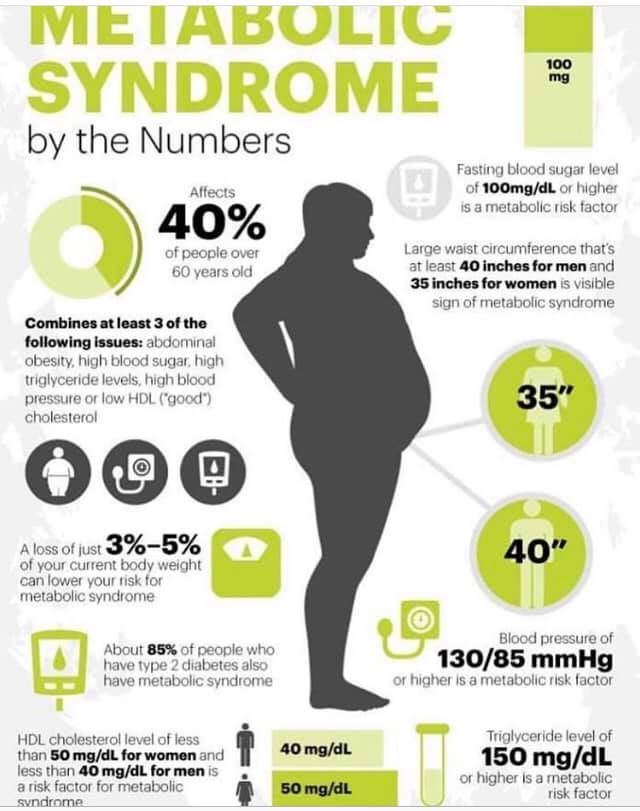
Triglycerides are a type of fat in the blood formed by excess calories. When excess calories are eaten, the body stores them as triglycerides for use at a later time. A normal triglyceride level is considered to be below 150 mg/dL while a level above 200 mg/dL is definitely considered high and can increase your risk for heart disease.
For many, a healthy level can be achieved through lifestyle changes like losing weight, being physically active and limiting refined carbohydrates.
Fat sources in heart healthy eating plans often focus on sources of unsaturated fats, such as olive oil, vegetable oil, nuts and seeds, avocados and fatty fish.
Seafood is especially high in omega-3 essential fatty acids which can help reduce triglyceride levels. Just 2 servings of seafood per week (about 8 ounces total) will provide the recommended amount of omega-3 fatty acids. High omega-3 fatty acids seafood include salmon, herring, Atlantic and Pacific mackerel, rainbow trout, and sardines.
Note: Pregnant and nursing women and young children should avoid shark, swordfish, king mackerel and tilefish, which contain high levels of mercury.
If you have a history of elevated triglycerides, your doctor may also recommend high doses of supplemental omega-3 fatty acids. This should only be done under the advice and supervision of a doctor.
While extra calories from any source can be stored as triglycerides, excess calories from sugar and alcohol may have a greater effect on raising triglycerides.
When choosing carbohydrate-rich foods, focus on whole grains, fruits, vegetables and low-fat dairy. Limit refined grains and sources of added sugars, such as desserts, baked goods, sugar-sweetened beverages, and alcohol.
Mediterranean-style eating plans are similarly associated with improved heart health as they include more fruits, vegetables, whole grains and seafood while limiting saturated fat, trans fat, added sugars and alcohol. These diets also include healthy monounsaturated and polyunsaturated fats found in oils such as canola and olive oils.
If your triglyceride level is above 150 mg/dL, discuss lifestyle changes and the potential advantage of supplements with your doctor and registered dietitian nutritionist. An RDN can help develop a healthy eating plan that meets your personal health needs and lifestyle.
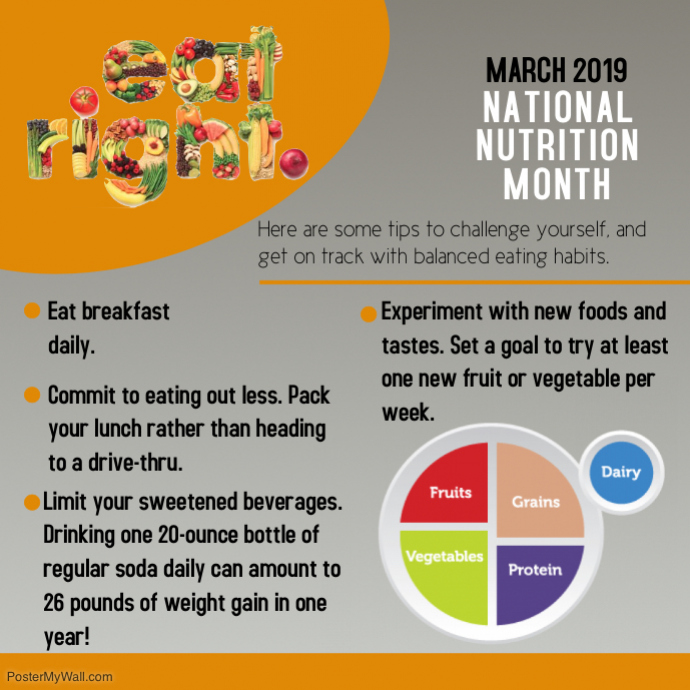

Today we spotlight one of the key factors to a healthy lifestyle. Do you know about the hidden risks of triglycerides? Most people don’t and don’t know their personal triglyceride levels.
Learn your numbers and take steps to bring them to healthy levels. Include a triglycerides check with your routine physical exam. Visit with your doctor to learn how triglycerides impact a healthy lifestyle.

One in three Americans is at risk for developing type 2 diabetes, a serious disease that can lead to complications such as kidney disease, blindness, and amputations. But type 2 diabetes doesn’t have to be permanent–it can be prevented or delayed with healthy lifestyle modifications.
Held the last Tuesday of March each year, American Diabetes Association Alert Day® encourages everyone to take the Type 2 Diabetes Risk Test and participate in workplace-friendly activities that will teach them about reversing the risk for diabetes.
 Hayseeds Creative