Probiotics can be the answer to good health

You probably have seen or heard about probiotics in recent advertising or news stories. Probiotics can improve digestion, aid in weight management, increase energy, help with clear thinking, give you healthier skin and strengthen your immune system.

It’s important to add good bacteria to your diet with probiotics, because the bad bacteria in your gut that can cause negative reactions to your health. T It is even more important if you are, or have recently been, on an antibiotic regime. Antibiotics don’t discriminate; they kill ALL bacteria, not just the bad ones, as the post from The Gut Health Project points out.

The importance of a balance of gut flora cannot be overstated. Among other things, it can help relieve joint pain, help prevent anxiety and depression, increase your energy and obviously improve bowel function. All of these contribute to your overall well-being. As The Gut Health Project shows, it doesn’t stop there.

There are thousands of case studies that support these conclusions. In fact, many physicians believe that there is no more important supplement that you can take than an efficient probiotic. There are six telltale signs that you need an effective probiotic. You will see, it is NOT ONLY for digestive issues.

You must choose your probiotic carefully. Choose one that is pure and effective, assuring widespread benefits. So take care of your gut and you will take care of your health, too. 

https://www.guthealthproject.com/6-signs-you-need-probiotics/

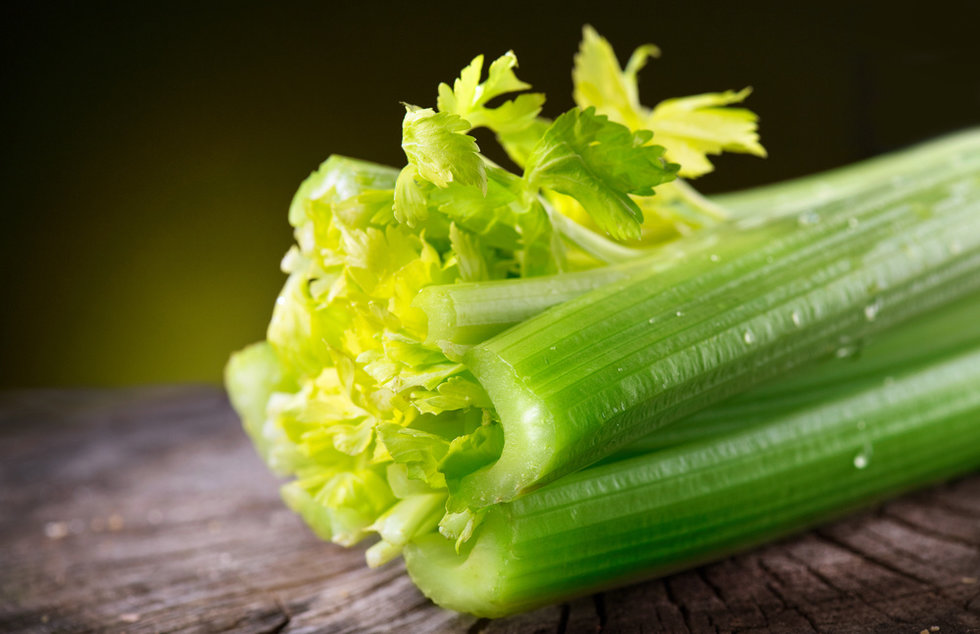
Eating celery for 14 days can change your health

Celery is by far one of the most nutritious vegetables available. It is a great source of potassium, magnesium, and vitamins A, B, C, and K. It is also rich in phytonutrients, which act as anti-inflammatory and antioxidant agents, boosting the immune system and overall health.

Fresh celery benefits nutrition thanks to all the tremendous vitamins and minerals it contains. One cup of chopped raw celery (about 101 grams) contains approximately:

  • 16.2 calories
  • 3.5 grams carbohydrates
  • 0.7 gram protein
  • 0.2 gram fat
  • 1.6 grams fiber
  • 29.6 micrograms vitamin K (37 percent DV)
  • 453 international units (9 percent DV)
  • 36.5 micrograms folate (9 percent DV)
  • 263 milligrams potassium (8 percent DV)
  • 3.1 milligrams vitamin C (5 percent DV)
  • 0.1 milligram manganese (5 percent DV)
  • 0.1 milligram vitamin B6 (4 percent DV)
  • 40.4 milligrams calcium (4 percent DV)
  • 0.1 milligram riboflavin (3 percent DV)
  • 11.1 milligrams magnesium (3 percent DV)

All with some sugars, celery also contains some vitamin E, niacin, pantothenic acid, iron, phosphorus, zinc, and selenium.

According to Healthy Food House, researchers have confirmed the numerous health benefits of celery:

  • Celery can help prevents chronic inflammation
  • It helps regulate the pH balance of the body
  • it assist in weight loss since it is low in calories but high in fiber
  • Celery helps digestion and treats stomach issues and constipation
  • It can help treat urinary tract infections as it has potent diuretic properties
  • It soothes the nervous system and may help you fall asleep
  • Celery has been found to regulate cholesterol and blood pressure, since it contains phthalide
  • It is low in acids and relieves heartburn and acid reflux
  • Celery is abundant in vitamin A, so it improves vision, treats dry eyes, and protects the cornea
  • It can clean your teeth like a natural dental floss since it is breaking into fibrous strands while chewing

You can appreciate the countless benefits of celery in many ways. It goes great in soups, stir-fries, stews, and salads. It can also be dipped in peanut butter, hummus, or other sauces.

If you found this information helpful or just have a love for celery, please remember to SHARE this article with your family and friends on Facebook!

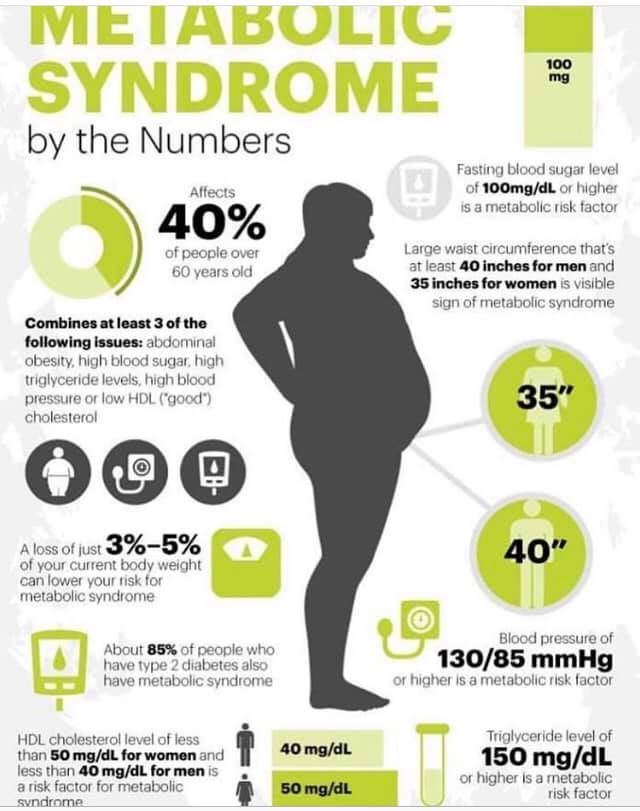
Do you have Metabolic Syndrome?

April 4 is Vitamin C Day

So why do we “celebrate” Vitamin C day on April 4th? Well, according to the American Institute of Nutrition, it goes all the way back to 1932, when Vitamin C was isolated and identified.

The all-important vitamin helps heal wounds, acts as an antioxidant, can help delay or prevent developing  diseases like cancer or cardiovascular disease, and is good for your immune system (to name a few perks).  Citrus fruits, tomatoes, and potatoes are a high source of Vitamin C, according to the National Institutes of Health (NIH). Click here to see other Vitamin C-rich foods.

The NIH suggests that people at different ages or phases of life need different amounts of Vitamin C.  Click here to see the full chart

Triglycerides: Why do they matter?

Triglycerides are a type of fat in the blood formed by excess calories. When excess calories are eaten, the body stores them as triglycerides for use at a later time. A normal triglyceride level is considered to be below 150 mg/dL while a level above 200 mg/dL is definitely considered high and can increase your risk for heart disease.

For many, a healthy level can be achieved through lifestyle changes like losing weight, being physically active and limiting refined carbohydrates.

Fat sources in heart healthy eating plans often focus on sources of unsaturated fats, such as olive oil, vegetable oil, nuts and seeds, avocados and fatty fish. 

Seafood is especially high in omega-3 essential fatty acids which can help reduce triglyceride levels. Just 2 servings of seafood per week (about 8 ounces total) will provide the recommended amount of omega-3 fatty acids.  High omega-3 fatty acids seafood include salmon, herring, Atlantic and Pacific mackerel, rainbow trout, and sardines. 
Note: Pregnant and nursing women and young children should avoid shark, swordfish, king mackerel and tilefish, which contain high levels of mercury.

If you have a history of elevated triglycerides, your doctor may also recommend high doses of supplemental omega-3 fatty acids. This should only be done under the advice and supervision of a doctor.

While extra calories from any source can be stored as triglycerides, excess calories from sugar and alcohol may have a greater effect on raising triglycerides. 

When choosing carbohydrate-rich foods, focus on whole grains, fruits, vegetables and low-fat dairy. Limit refined grains and sources of added sugars, such as desserts, baked goods, sugar-sweetened beverages, and alcohol.

Mediterranean-style eating plans are similarly associated with improved heart health as they include more fruits, vegetables, whole grains and seafood while limiting saturated fat, trans fat, added sugars and alcohol. These diets also include healthy monounsaturated and polyunsaturated fats found in oils such as canola and olive oils. 

If your triglyceride level is above 150 mg/dL, discuss lifestyle changes and the potential advantage of supplements with your doctor and registered dietitian nutritionist. An RDN can help develop a healthy eating plan that meets your personal health needs and lifestyle.

It’s National Triglycerides Day

Today we spotlight one of the key factors to a healthy lifestyle. Do you know about the hidden risks of triglycerides? Most people don’t and don’t know their personal triglyceride levels.

Learn your numbers and take steps to bring them to healthy levels. Include a triglycerides check with your routine physical exam. Visit with your doctor to learn how triglycerides impact a healthy lifestyle.

National American Diabetes Association Alert Day

Alert Day logo no date

One in three Americans is at risk for developing type 2 diabetes, a serious disease that can lead to complications such as kidney disease, blindness, and amputations. But type 2 diabetes doesn’t have to be permanent–it can be prevented or delayed with healthy lifestyle modifications.

Held the last Tuesday of March each year, American Diabetes Association Alert Day® encourages everyone to take the Type 2 Diabetes Risk Test and participate in workplace-friendly activities that will teach them about reversing the risk for diabetes.

The art of coffee perfection

Mountain House Premium Coffee

Mountain Cabin Coffee has a unique coffee-crafting process is a careful combination of age-old artistry and state-of-the-art quality control. Their unique coffee-crafting process is a careful combination of age-old artistry and state-of-the-art quality control.
Here are six reasons why this coffee is so darn good!

  1. SOURCING: The exact location of the small, specialty farms that grow this coffee is a treasured secret, guarded so you can experience the most prized characteristics of each premium bean.
  2. SELECTION: To ensure the flavor and integrity of every bean, quality is monitored every step of the way from farm to roastery. Master cuppers continuously test the coffee for superior flavor, body, and aroma.
  3. ROASTING: Under the careful guidance of master roasters, this small-batch roasting process provides consistent, rich flavor and robust aroma in every roast, no matter the season.
  4. GRINDING: Mouontain Cabin uses water-cooled roller mill grinders to achieve the perfect grind without heating or re-roasting the beans.
  5. FLAVORING: The proprietary ribbon blending system ensures consistent flavor in each successive batch.
  6. PACKAGING: Special bagging technique preserves freshness and flavor by keeping oxygen levels at a minimum.

Here’s a list of some of the coffee styles that you can get with Mountain Cabin:

100% Hand Selected Arabica Beans
  • HAZELNUT | Roast:LIGHT
    A mild-bodied, mellow blend with a brilliantly rich hazelnut aroma and nutty flavor.—Mild body, mellow, hints of hazelnut Also comes in Decaf
  • VANILLA | Roast:LIGHT
    A mild-bodied, mellow, and smooth-flavored blend with a creamy, buttery vanilla flavor.—Mild body, mellow, sweet vanilla
  • COLOMBIAN DECAF | Roast: LIGHT MEDIUM
    A creamy-bodied, smooth, complex coffee with gentle acidity, made with 100% Colombian coffee naturally decaffeinated to retain its full flavor.—Creamy body, smooth, complex
  • KONA BLEND | Roast: MEDIUM
    A medium-bodied, balanced, and mellow blend of the finest Kona beans and other premium Arabica beans.—Medium body, balanced, mellow, complex
  • COLOMBIAN | Roast: MEDIUM
    100% supremo Arabica beans grown in the fertile Columbian highlands.—Medium body, complex, thin finish
  • ORGANIC SIGNATURE BLEND | Roast: MEDIUM DARK
    A full-bodied, balanced, complex coffee with gentle acidity, made with 100% organic beans from specialty selected growing regions.—Full body, balanced, complex
  • ORGANIC RAINFOREST BLEND | Roast: MEDIUM DARK
    A medium-bodied, smooth, complex coffee with lively acidic notes, made with 100% organic Arabica beans grown under a lush rain forest canopy.—Medium body, smooth, complex
  • ORGANICBREAKFAST BLEND | Roast: DARK
    A wakeful, inspiring blend of the finest Central and South American beans.—Balanced body, complex, smooth
  • ORGANIC SUMATRA | Roast: DARK
    Shade-grown, triple-picked beans from Sumatra’s Gayo Mountain region.—Full body, complex, smoky, dark

One taste of this and it is so easy to see why I love this brand!

Great news for coffee fans!

You can now justify every cup of coffee you drink because of its official health benefits. On average, coffee drinkers live longer than those who don’t.

I’m sure you’re thinking, “how?” Well, new data has the answer for us! Coffee has several effects which directly improve our chances of living longer, including reducing the risk of certain dangerous conditions. Find out what coffee can do for you—and how much of it you should be drinking—so you can be a healthy, long-lived coffee drinker!

The National Cancer Institute, National Institutes of Health, and the Feinberg School of Medicine at Northwestern University teamed up to analyze data on coffee-drinkers as well as the long-term study of half a million people in the United Kingdom, ranging in age from 38 to 74 by UK Biobank tp determine health benefits.

Keep in mind that the research shows a noted correlation, rather than a direct causal connection. But due to the broad spectrum of people and other evidence provided by the study, we can still say that coffee is a good thing for the following reasons.

  • Cut the Pain: Two cups of coffee can cut post-workout muscle pain by up to 48%. From the Journal of Pain, March 2007 (link)
  • Increase your fiber intake: A cup of brewed coffee represents a contribution of up to 1.8 grams of fiber of the recommended intake of 20-38 grams. From the Journal of Agricultural and Food Chemistry (link).
  • Protection against cirrhosis of the liver: This is a good on, of course, you could just cut down on the alcohol intake. From the Archives of Internal Medicine (link). Another more recent study also showed coffee’s liver protecting benefits. link. Yet another study showed that both coffee and decaffeinated coffee lowered the liver enzyme levels of coffee drinkers. This study was published in the Hepatology Journal.
  • Lowers risk of Type 2 Diabetes: Those who consumed six or more cups per day had a 22% lower risk of diabetes. From the Archives of Internal Medicine (link). A recent review of research conducted by Harvard’s Dr. Frank Hu showed that the risk of type II diabetes decreases by 9% for each daily cup of coffee consumed. Decaf coffee decreased risk by 6% per cup.
    Lowered risk of Alzheimer’s disease: There is considerable evidence that caffeine may protect against Alzheimer’s disease. From the European Journal of Neurology (link). A recent study also isolated the compounds in roasted coffee that may be responsible for preventing the build-up of the brain plaque believed to cause the disease. 
  • Reduces suicide risk and Depression: A 10-year study of 86,000 female nurses shows a reduced risk of suicide in the coffee drinkers. From the Archives of Internal Medicine (link). Another study conducted by the Harvard School of Public Health found that women who drink four or more cups of coffee were 20% less likely to suffer from depression. Study link.
  • Protection against Parkinson’s: People with Parkinson’s disease are less likely to be smokers and coffee drinkers than their healthy siblings. From the Archives of Neurology (link). Research out of Sweden revealed that drinking coffee reduces the risk of Parkinson’s even when genetic factors come into play. link. Yet another study (published here) found that caffeine combined with EHT (a compound found in coffee beans) provided protective benefits to rats that were genetically predisposed to developing Parkinson’s.
  • Coffee drinkers have lowered risk of heart disease: Korean researchers found that study participants who consumed three to five cups of coffee a day were less likely to show the beginning signs of heart disease. The studyOther dietary factors should also be noted as Koreans typically have a different diet than do Westerners. A more recent study conducted in Brazil found that those that consume at least three cups of coffee a day tend to develop less calcification in their coronary arteries.
  • Coffee drinkers have stronger DNA: A study published in the European Journal of Nutrition showed that coffee drinkers have DNA with stronger integrity since the white blood cells of coffee drinkers had far fewer instances of spontaneous DNA strand breakage. Study abstract.
  • Lower Risk of Multiple Sclerosis: Recent research showed that at least four cups of coffee a day may help protect against the development and reoccurrence of MS. It is believed that the coffee prevents the neural inflammation that possibly leads to the disease developing. The study was published in the Journal of Neurology, Neurosurgery & Psychiatry
  • Coffee reduces colorectal cancer risk: Even moderate consumption of coffee can reduce the odds of developing colorectal cancer by 26%. This protective benefit increases with more consumption. The study is described in detail here.

So it’s a safe bet to stick with coffee.

Welcome to my happy place

If you know me you know I love coffee and will normally drink it black, why would I want to hide that rich aroma and coffee flavor? Lately, there have been lots of studies touting the health benefits of coffee and how it is almost a cuure-all for all that ails you.

Personally, I drink an organic brand of coffee, Mountain Cabin Premium Coffee, it’s made from100% Arabica beans which I’m told are hand-selected and small-batch roasted with masterful precision to maximize the flavor, body, and aroma of every bean. All I know is that I love the rich flavor.

Mountain Cabin coffee makers only buy their beans from farmers that meet their strict requirements for quality and fairness. Farm workers must be fairly compensated for their labor and expertise. Farm practices must be environmentally sustainable. They believe that their relationship with the coffee growers is one of the most valuable investments a manufacturer can make. Each coffee batch is packaged within minutes of roasting to maintain freshness and it shows.

BENEFITS OF COFFEE

Mountain House Premium Coffee
  • Naturally occurring antioxidants 
  • Makes you more alert and attentive 
  • May improve energy levels 
  • Can help boost your body’s metabolic rate 
  • Boost physical performance 
  • Awakens your senses & lifts your spirits 
  • Contains essential micronutrients 

My current go-to morning brew is the Kona blend and it is available in single-serve Keurig® 2.0 pods that make it so much easier when you’re in a rush in the morning!

What is your favorite brand?.