
The Olive Oil Deception 

Did you know that olives are a fruit?
And just like fruit juice, olive oil tastes best and is the most nutritious when it’s fresh.

Fresh-pressed olive oil has the highest levels of antioxidants, polyphenols, and a unique anti-cancer compound called Oleocanthol.

But there’s a problem:
According to Forbes“It’s been reliably reported that 80% of the Italian olive oil on the market is fraudulent. A study last year by the National Consumer League found that six of 11 bottles of Extra Virgin olive oil from three major retailers—Whole Foods, Safeway, and Giant—failed to meet Extra Virgin requirements.”
Yes, many olive oil companies produce low quality olive oil diluted with other oils, and some companies sell “olive oil” that isn’t even made from olives!

In his book, Extra Virginity, olive oil expert, Tom Mueller, warns of contaminants and cancer-causing agents in these fake olive oils:
“Italian investigators have found hydrocarbon residues, pesticides, and other contaminants in fake oils, and pomace oil, a common adulterant, sometimes contains mineral oil as well as PAHs, proven carcinogens that can also damage DNA and the immune system.”

So how do you know if it’s authentic?

The Label: The label should indicate the harvest date and whether the oil has been blended with other oils. Look for a quality seal from the International Olive Council (IOC) for European oils or the California Olive Oil Council for American oils, which indicate that the oil has been tested and meets certain standards.

The Bottle: The bottle should be dark colored glass to protect against UV Ray exposure

The Taste: Authentic EVOO has a bright flavor with hints of fruit, grass, and almond, and a slightly bitter, peppery aftertaste. Low-quality or “fake” EVOO may taste dull, greasy, waxy, or crayon-like, or have no flavor.

So shop carefully and read those labels!

I Love Olives

Picture an olive branch. It’s a symbol of both health and longevity.

And rightfully so. Olives contain components that benefit the brain and heart, reduce cancer risk, aid in weight loss and increase longevity.
Olives are high in monounsaturated fat. Studies show that a diet high in monounsaturated fatty acids are great for heart health because they

  • Reduce LDL cholesterol
  • Decrease Blood Pressure
  • Decrease A1c numbers
  • Improve Insulin sensitivity

Eating olives also increase our glutathione levels, which support our immune function. Plus, olives are fermented and fermented foods boost our microbiome and digestive health!

I add them to my salads or as a snack with my favorite cheese!

Access Bars

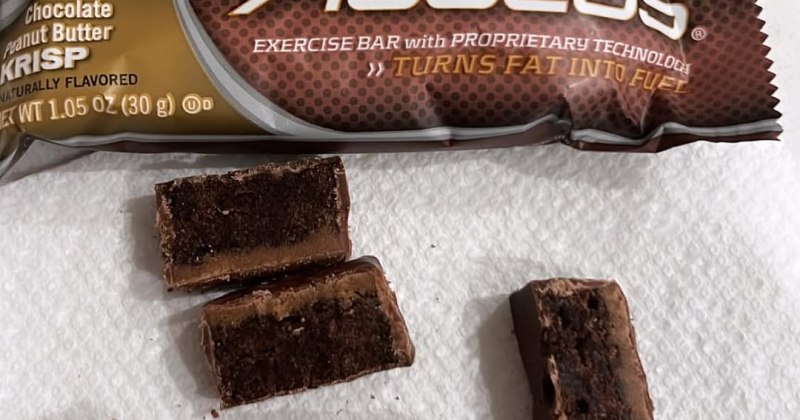
I love having the Access Bar for a pre-workout “snack” because of the fat burning technology the bar offers. They help me with my workouts too.
If I et one 15 – 20 minutes before a workout, my performance is improved and I am using a good source of energy as I am not exercising on an empty stomach.

Because they taste so good, I love cutting the Access bars into slivers when I’m having a sweet-tooth craving. A few slivers of the Access Bar always seems to do the trick and it help prevent binging on not-so-great snacks. These two flavors pictured are ling-time favorites!

How do you Access?

There’s nothing like waking up with GC in your cup!

Eating for Health

BANANAS

•Protect your heart.
•Strengthen bones.
•Control blood pressure.
•Block diarrhea.

BEANS

•Prevent constipation.
•Help hemorrhoids.
•Lower cholesterol.
•Combat cancer.
•Stabilize blood sugar.

BROCCOLI

•Saves eyesight.
•Combats cancer.
•Protects your heart.
•Controls blood pressure.

CABBAGE

•Combats cancer.
•Prevents constipation.
•Promotes weight loss.
•Protects your heart.
•Helps hemorrhoids.

CARROTS

•Save eyesight.
•Protect your heart.
•Prevent constipation.
•Combat cancer.
•Promote weight loss.

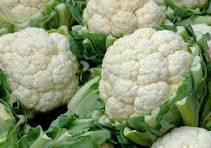
CAULIFLOWER

• Protects against Prostate Cancer.
•Combats Breast Cancer.
•Strengthens bones.
•Banishes bruises.
•Guards against heart disease.

GARLIC

•Lowers cholesterol.
•Controls blood pressure.
•Combats cancer.
•Kills bacteria.
•Fights fungus.

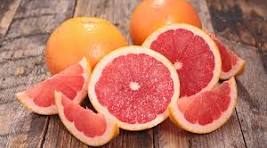
GRAPEFRUIT

•Protects against heart attacks
•Promotes Weight loss
•Helps stops strokes
•Combats Prostate Cancer
•Lowers cholesterol

GRAPES

•Save eyesight.
•Conquer kidney stones.
•Combat cancer.
•Enhance blood flow.
•Protect your heart.

GREEN TEA

•Combats cancer.
•Protects your heart.
•Helps stops strokes.
•Promotes weight loss.
•Kills bacteria.

HONEY

•Heals wounds.
•Aids digestion.
•Guards against ulcers.
•Increases energy.
•Fights allergies.

LEMONS AND LIMES

•Combat cancer.
•Protect your heart.
•Control blood pressure.
•Smoothes skin.
•Prevents scurvy.

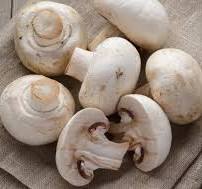
MUSHROOM

•Controls blood pressure.
•Lowers cholesterol.
•Combats cancer.
•Strengthens bones.

OLIVE OIL

•Protects your heart.
•Promotes Weight loss.
•Combats cancer.
•Battles diabetes.
•Smoothes skin.

ONIONS

•Reduce risk of heart attack.
•Combat cancer.
•Kills bacteria (bactericidal).
•Lower cholesterol.
•Fight fungal infections.

ORANGES

•Support immune systems.
•Combat cancer.
•Protect your heart.
•Straighten respiration.

PINEAPPLE

•Strengthens bones.
•Relieves colds.
•Aids digestion.
•Dissolves warts.
•Blocks diarrhea.

STRAWBERRIES

•Combat cancer.
•Protect your heart.
•Boost memory.
•Calm stress.

SWEET POTATOES

•Save your eyesight.
•Lift mood.
•Combat cancer.
•Strengthen bones.

TOMATOES

•Protect prostate.
•Combat cancer.
•Lower cholesterol.
•Protect your heart.

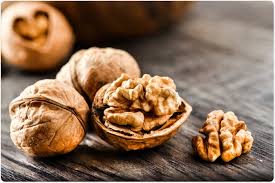
WALNUTS

•Lower cholesterol.
•Combat cancer.
•Boost memory.
•Protect against cardiovascular diseases.

WATER

•Quenches thirst.
•Combats cancer.
•Conquers kidney stones.

WATERMELON

•Protects prostate.
•Promotes weight loss.
•Lowers cholesterol.
•Helps stops strokes.
•Controls blood pressure.
•Fights dehydration.

APPLES

•Protect your heart.
•Prevent constipation.
•Prevent diarrhea.
•Improve lung capacity.
•Cushion joints.

AVOCADOS

•Battle diabetes.
•Lower cholesterol.
•Help stops strokes.
•Control blood pressure.
•Smoothes skin.

The Real Complications of Type II Diabetes 

A Type II Diabetes diagnosis opens the door for other serious diseases. It’s one of the ugliest diseases, but it can be reversed! One out of every three people is already Pre-Diabetic. It can affect your life in more ways than just diet. It’s something to take seriously!

Potential Complications

  • Heart and blood vessel disease. Diabetes is associated with an increased risk of heart disease, stroke, high blood pressure and narrowing of blood vessels, a condition called atherosclerosis.
  • Nerve damage in limbs. This condition is called neuropathy. High blood sugar over time can damage or destroy nerves. That may result in tingling, numbness, burning, pain or eventual loss of feeling that usually begins at the tips of the toes or fingers and gradually spreads upward.
  • Other nerve damage. Damage to nerves of the heart can contribute to irregular heart rhythms. Nerve damage in the digestive system can cause problems with nausea, vomiting, diarrhea or constipation. Nerve damage also may cause erectile dysfunction.
  • Kidney disease. Diabetes may lead to chronic kidney disease or end-stage kidney disease that can’t be reversed. That may require dialysis or a kidney transplant.
  • Eye damage. Diabetes increases the risk of serious eye diseases, such as cataracts and glaucoma, and may damage the blood vessels of the retina, potentially leading to blindness.
  • Skin conditions. Diabetes may raise the risk of some skin problems, including bacterial and fungal infections.
  • Slow healing. Left untreated, cuts and blisters can become serious infections, which may heal poorly. Severe damage might require toe, foot or leg amputation.
  • Hearing impairment. Hearing problems are more common in people with diabetes.
  • Sleep apnea. Obstructive sleep apnea is common in people living with Type II diabetes. Obesity may be the main contributing factor to both conditions.
  • Dementia. Type II diabetes seems to increase the risk of Alzheimer’s disease and other disorders that cause dementia. Poor control of blood sugar is linked to a more rapid decline in memory and other thinking skills.

Risk Factors for Diabetes

They say knowing is half the battle. 

Lately, many of my friends have been telling me their doctors are telling them, “You need to be concerned about Diabetes” after review their latest lab work. 

Many of these individuals are being told they are Pre-Diabetic. With one in every three people being diagnoses as Pre–Diabetic, it’s not a surprise.

Once your doctor mentions Pre-Diabetes be prepared for lab work that contains tests for glucose, A1C, Homocysteines, C Reactive Protein, D3, cholesterol and liver tests. All tests to ascertain Type II Diabetes. 

If we know what to look for, we can help prevent it or at the very least hold it off from developing quicker. It really does help to stay in front of this disease! The best way to start is to know the risk factors.

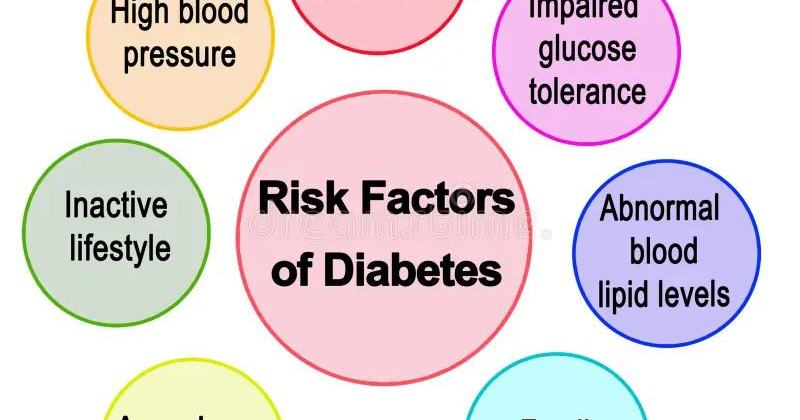
Risk factors for Type II Diabetes:

  • Weight. Being overweight or obese is a main risk.
  • Fat distribution. Storing fat mainly in the abdomen, rather than the hips and thighs, indicates a greater risk. The risk of Type II diabetes is higher in men with a waist circumference above 40 inches and in women with a waist measurement above 35 inches.
  • Inactivity. The less active a person is, the greater the risk. Physical activity helps control weight, uses up glucose as energy and makes cells more sensitive to insulin.
  • Family history. An individual’s risk of Type II diabetes increases if a parent or sibling has Type II diabetes.
  • Blood lipid levels. An increased risk is associated with low levels of high-density lipoprotein (HDL) cholesterol (the “good” cholesterol) and high levels of triglycerides.
  • Pregnancy-related risks. The risk of developing Type II diabetes is higher in people who had gestational diabetes when they were pregnant and in those who gave birth to a baby weighing more than nine pounds.
  • Polycystic ovary syndrome. Having polycystic ovary syndrome, a condition characterized by irregular menstrual periods, excess hair growth and obesity, increases the risk of diabetes.

If you or a loved one display any of these symptoms, please get a physical and request the labs above it’s better t catch it early!

Diabetes and It’s Many Friends 

Diabetes isn’t just about blood sugar levels 

Diabetes is a condition where the body doesn’t produce enough insulin or it doesn’t use insulin properly. This causes the blood sugars to become too high, known as hyperglycemia. 

Almost 10% of the population is diabetic, so there’s no wonder why pharmaceutical companies are marketing Ozempic, Mounjaro, Wegovey, etc in big ways. 

People with diabetes have a higher risk of developing serious complications including:

  • Heart Disease 
  • Kidney Disease 
  • Nerve Damage 
  • Dementia
  • Gum Disease 
  • Mood Disorders 
  • Eye Problems, including Blindness 

Type II Diabetes IS REVERSIBLE, but it takes effort. Even though it’s reversible, through diet, exercise and healthy life changes. Diabetes is a highly dangerous disease and it’s worth taking seriously. 

Skinny Fat

Skinny fat is a term to describe those who might be thin but have a high percentage of body fat. The medical term is sarcopenic obesity. This condition refers to an individual who may have what would be considered a normal/healthy weight, but metabolically, this person shares many health characteristics as someone who is overweight or obese. And that means they are at risk for a variety of health problems.

The Cause?

  • Losing muscle mass and gaining fat mass due to maintaining the same caloric intake and a sedentary lifestyle creates a skinny fat condition

The Description?

  • A person who is sarcopenic obese will have high fat mass and low muscle mass

The Analysis?

  • Getting a body composition test can help assess your body fat and muscle mass distribution

Possible Risks?

  • Increased risk of heart disease
  • High cholesterol
  • Insulin resistance, leading to Type 2 Diabetes 
  • Lower bone mineral density
  • Loss of cognitive function

The Solution?

  • Eating a protein-rich diet
  • Increase Skeletal Muscle Mass with weight training

Just because someone looks skinny, don’t just assume they are healthy.

Happy Halloween!

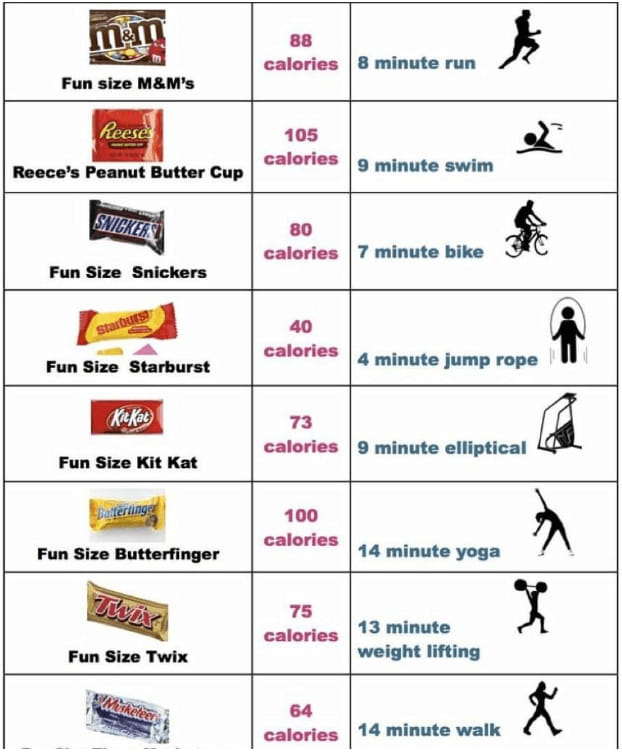
Crazy how many calories are in fun sized candy. Sort of takes ll the “fun” out of it, doesn’t it?

I know how tempting candy can be. But with R3 I can stay strong with the Halloween candy today!