I received this from my friend Dionne Myers Taplin:
“‘Twas the week before Christmas and all through the land. Not a toxin was present; all chemicals banned. For Santa had asked when he flew through last year Could you please get rid of your Tide and your Cheer? My eyes are running and my belly is itching. I think it’s your products – would you consider switching To a line that is greener and safer to use? It’s all guaranteed so there’s nothing to lose. Online shopping is simple; toll-free calling, a breeze And it’s not just at Christmas that you get products for free. Mrs. Claus has more energy and, ho-ho-ho, I do too. Oligo makes sure that the nutrients get through. Rudolph’s joints are better and his fur’s silky smooth. He’s like family to me so what else would I use? I’ve lost a few pounds and some of the elves did so too, It’s not really that hard when you have the right tools. Others may question what it is that you do. But don’t you forget what’s important to you. So don’t let them deter you, and please do not stop Telling your family and friends about a great place to shop. Helping others has value, our mission is clear. You’ll have a Christmas of Wellness and a Healthier New Year!”
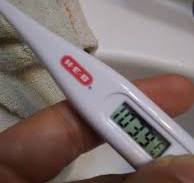
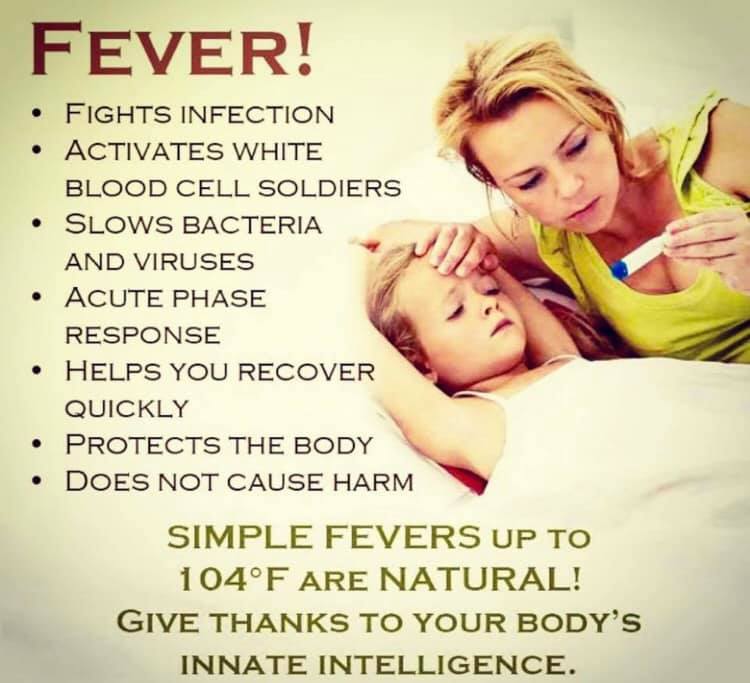
**It has been said that when a fever reaches 102 degrees, a group of proteins called interferons are produced that help prevent viral replications and inhibit cancer cells.
**And at 103 degrees, all nutrition to spleen is shut down to starve any bad bacteria that are present or multiplying.
Food for Thought:
If a fever is created to trigger healing, what are the consequences of artificially lowering it with patented chemicals?
There is no doubt that running a fever is often accompanied with discomfort, but it turns out that lowering it could delay that discomfort and healing even longer.
The body is amazing. The more we honor it, the better we are.
A Type II Diabetes diagnosis opens the door for other serious diseases. It’s one of the ugliest diseases, but it can be reversed! One out of every three people is already Pre-Diabetic. It can affect your life in more ways than just diet. It’s something to take seriously!
Potential Complications
Heart and blood vessel disease. Diabetes is associated with an increased risk of heart disease, stroke, high blood pressure and narrowing of blood vessels, a condition called atherosclerosis.
Nerve damage in limbs. This condition is called neuropathy. High blood sugar over time can damage or destroy nerves. That may result in tingling, numbness, burning, pain or eventual loss of feeling that usually begins at the tips of the toes or fingers and gradually spreads upward.
Other nerve damage. Damage to nerves of the heart can contribute to irregular heart rhythms. Nerve damage in the digestive system can cause problems with nausea, vomiting, diarrhea or constipation. Nerve damage also may cause erectile dysfunction.
Kidney disease. Diabetes may lead to chronic kidney disease or end-stage kidney disease that can’t be reversed. That may require dialysis or a kidney transplant.
Eye damage. Diabetes increases the risk of serious eye diseases, such as cataracts and glaucoma, and may damage the blood vessels of the retina, potentially leading to blindness.
Skin conditions. Diabetes may raise the risk of some skin problems, including bacterial and fungal infections.
Slow healing. Left untreated, cuts and blisters can become serious infections, which may heal poorly. Severe damage might require toe, foot or leg amputation.
Hearing impairment. Hearing problems are more common in people with diabetes.
Sleep apnea. Obstructive sleep apnea is common in people living with Type II diabetes. Obesity may be the main contributing factor to both conditions.
Dementia. Type II diabetes seems to increase the risk of Alzheimer’s disease and other disorders that cause dementia. Poor control of blood sugar is linked to a more rapid decline in memory and other thinking skills.
Have you ever taken digestive enzymes? I take them before large meals or if I eat a lot of dairy.
The reason? Taking a digestive enzyme with meals can make a difference in how you feel when you eat. It can reduce the feeling of being overly full, reduce gas and best of all… no bloating! From a nutritional perspective, digestive enzymes it help to break down the food so that the body has to do less work during the process of digestion and absorb the nutrients more efficiently.
To test the theory, I put a slice of steak in a Ziplock bag, added a little warm water and the contents of one capsule my digestive enzyme. In 10 minutes, the steak was broken down. That convinced me that digestive enzymes should be a part of my daily regimen.
My little capsules provide 18 unique digestive enzymes to help break down gluten, dairy, proteins, carbohydrates, fiber, and more, so, let’s break it down:
Breaks down protein in beef, chicken, pork, eggs, and nuts
• Protease 4.5 breaks down the proteins found in meats, nuts, eggs, and cheese • Peptidase breaks down proteins during digestion to allow them to be used by the body • Bromelain breaks down proteins • Phytase helps the body digest minerals, such as calcium, zinc, copper, and manganese • Protease 6.0 breaks down the proteins found in meats, nuts, eggs, and cheese • Lipase breaks down fats found in dairy, nuts, oil, and meat products • Neutral Bacterial Protease helps break down protein
Breaks down lactose and fats in milk, cheese, and ice cream
• Lipase breaks down fats found in dairy, nuts, oil, and meat products • Lactase breaks down lactose (milk sugars) • Acid Maltase breaks down proteins, carbohydrates, and fats to maintain an optimal absorption of nutrients • Protease 6.0 breaks down the proteins found in meats, nuts, eggs, and cheese
Breaks down carbohydrates in bread, rice, pasta, cookies, candy, fruit, and vegetables
• Invertase breaks down sucrose (table sugar) • Amylase helps break down starches to allow them to be absorbed and used for energy • Glucoamylase helps break down starches into glucose, which is usable by the body • Acid Maltase is used to breakdown proteins, carbohydrates, and fats to maintain an optimal absorption of nutrients • Hemicellulase breaks down fiber and carbohydrates • Pectinase is a group of enzymes that break down the pectin commonly found in plants • Xylanase breaks down xylan sugars, like those found in corn • Invertase breaks down sucrose (table sugar)
Breaks down fiber in salad, beans, and whole grains
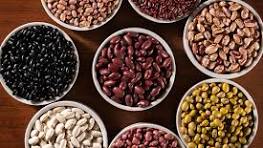
• Alpha-galactosidase facilitates the digestion of beans, legumes, seeds, roots, and soy • Cellulase breaks down cellulose (plant fiber) • Beta-glucanase breaks down soluble fibers found in grains • Hemicellulase breaks down fiber and carbohydrates • Phytase helps the body digest minerals, such as as calcium, zinc, copper, and manganese
These little capsules are a game changer!
My gut health is so incredibly important to me, how’s your gut?
Lately, many of my friends have been telling me their doctors are telling them, “You need to be concerned about Diabetes” after review their latest lab work.
Many of these individuals are being told they are Pre-Diabetic. With one in every three people being diagnoses as Pre–Diabetic, it’s not a surprise.
Once your doctor mentions Pre-Diabetes be prepared for lab work that contains tests for glucose, A1C, Homocysteines, C Reactive Protein, D3, cholesterol and liver tests. All tests to ascertain Type II Diabetes.
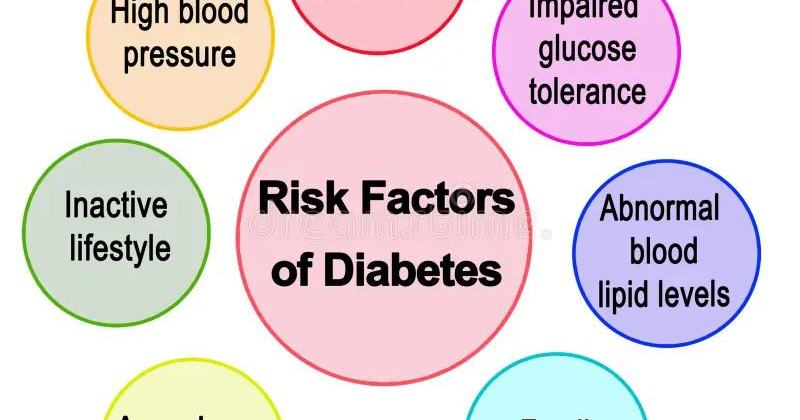
If we know what to look for, we can help prevent it or at the very least hold it off from developing quicker. It really does help to stay in front of this disease! The best way to start is to know the risk factors.
Risk factors for Type II Diabetes:
Weight. Being overweight or obese is a main risk.
Fat distribution. Storing fat mainly in the abdomen, rather than the hips and thighs, indicates a greater risk. The risk of Type II diabetes is higher in men with a waist circumference above 40 inches and in women with a waist measurement above 35 inches.
Inactivity. The less active a person is, the greater the risk. Physical activity helps control weight, uses up glucose as energy and makes cells more sensitive to insulin.
Family history. An individual’s risk of Type II diabetes increases if a parent or sibling has Type II diabetes.
Blood lipid levels. An increased risk is associated with low levels of high-density lipoprotein (HDL) cholesterol (the “good” cholesterol) and high levels of triglycerides.
Pregnancy-related risks. The risk of developing Type II diabetes is higher in people who had gestational diabetes when they were pregnant and in those who gave birth to a baby weighing more than nine pounds.
Polycystic ovary syndrome. Having polycystic ovary syndrome, a condition characterized by irregular menstrual periods, excess hair growth and obesity, increases the risk of diabetes.
If you or a loved one display any of these symptoms, please get a physical and request the labs above it’s better t catch it early!
Diabetes is a condition where the body doesn’t produce enough insulin or it doesn’t use insulin properly. This causes the blood sugars to become too high, known as hyperglycemia.
Almost 10% of the population is diabetic, so there’s no wonder why pharmaceutical companies are marketing Ozempic, Mounjaro, Wegovey, etc in big ways.
People with diabetes have a higher risk of developing serious complications including:
Heart Disease
Kidney Disease
Nerve Damage
Dementia
Gum Disease
Mood Disorders
Eye Problems, including Blindness
Type II Diabetes IS REVERSIBLE, but it takes effort. Even though it’s reversible, through diet, exercise and healthy life changes. Diabetes is a highly dangerous disease and it’s worth taking seriously.
Blood Pressure — When atmospheric pressure decreases, your blood pressure drops. Low temps cause your blood vessels to narrow, meaning on the whole, blood pressure is lower in the summer.
Asthma and Allergies —Changing seasons and hot weather can worsen asthma and allergy symptoms, with the growing season and air pollution paying a serious role. The solution? Be prepared with your allergy meds before spring weather arrives.
Joint Pain — Sudden changes in barometric pressure, such as the switch that occurs right before a storm, can trigger joint pain. Cold weather can also cause painful changes in joint fluid thickness, some research has found.
Headaches —Barometric pressure can be a headache for some, though the reason is unclear. It might affect the pressure in the brain or the way the brain blocks pain, or it might be evolutionary, as it keeps humans in tune with their environment.
Diabetes and Blood Sugars — Any weather front is associated with low pressure, so during cold fronts, blood viscosity, or thickness, increases. Research shows that diabetics have more trouble controlling their blood sugar during cold fronts.
Heart Attacks — Each 1.8 degree Fahrenheit the temperature drops is associated with around 200 additional heart attacks nationwide, according to one medical study. Higher blood pressure, an increased risk of blood clots and challenging activities like shoveling show contribute to the risk