So what are good carbs?

When people decide to get a healthier lifestyle many start with looking at their diet and removing unhealthy items, switching out carbohydrates and in some cases avoiding carbohydrates entirely.

Avoiding carbs completely is probably the worst thing you can do, you need some sure cutting out breads, pastas and cereals is a start, but what carbs can you keep to benefit for your health?

Here is a short list that includes 15 starchy or complex carb foods:
Vegetables: All of them, especially pumpkin, butternut squash and fresh beets. It is best to eat a variety of vegetables every day.
Whole fruits: Apples, bananas, pears, strawberries, berries, etc.
Tubers: White potatoes with skin, sweet potatoes, yams, etc.
Legumes: Lentils, kidney beans, peas, peanuts, etc.
Nuts: Almonds, walnuts, hazelnuts, macadamia nuts, pecans, etc. Avoid Brazil nuts.
Seeds: Chia seeds, sunflower seeds, pumpkin seeds.
Whole grains: Choose grains that are truly whole, as in 100% whole wheat bread, 100% whole wheat pasta, pure oats oatmeal, couscous, brown rice, Basmati (a long grain rice) etc.
Tubers: White potatoes with skin, sweet potatoes, yams, etc.
Cereals: Oatmeal (old-fashioned or steel cut), Cream of rice hot cereal, multigrain hot cereal, barley, oats, rye, triticale, and a few others)

Do you have a nighttime sleep routine?

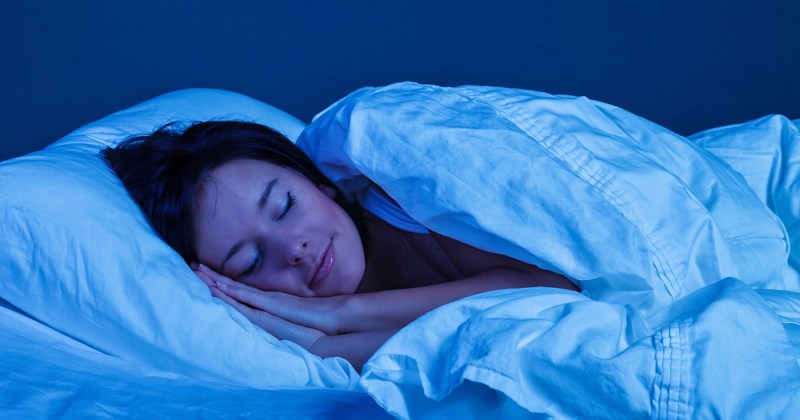
In an ideal world, I’d bet all of us would love to have more consistency in our sleep schedule. Half of adults don’t get enough shut-eye, with many admitting to lying awake at night fretting about their worries. I know it’s a struggle for me to get six to seven hours that help me feel my best. I am trying to get seven to eight hours every night and it seems the key is to have a wind down routine.

Even if its brief — just five minutes — having that routine will mentally prepare for and prioritize sleep. It also prompts an interesting mindset switch of sleep: you will begin to discover you can prepare for sleep in the same way that you prepare for physical training.

Having a regular routine, and the same bedtime each night, are important components of healthy sleep practices. I try to keep my own routine regular and make it a priority to get at least seven hours of sleep. I turn off the light by about 10. It’s important to have a bit of a buffer from the chaos of our day, and to wind down and relax to allow you to get that quality of rest you need.

It’s also a good idea to set a reminder alarm on your phone to remind you when to start to wind down and to stay on target for bedtime. If you set the alarm for a half-hour before bedtime, when it goes off, it will trigger the reminder that you have 30 minutes to wrap up your day and send that last email, pay the bill you’ve been meaning to pay all day and get a to-do list for the next day sorted.

For some people about an hour before bedtime, they will have warm tea and read or a bit of prayer or gratitude quiet time to wind down. Researchers at the University of Sussex found that just six minutes of reading per day can reduce stress levels by 68%. Reading can also improve your memory and increase your productivity.

In the chaos of the day, it’s good to have a designated quiet time. Many say it’s the little bit of the day they look forward to, because it gives a chance to relax and reflect.

Research shows that powering down technology to minimize exposure to blue light — which can negatively impact sleep quality is vital.. Scientists now know blue light suppresses the release of melatonin, the hormone that tells the body it’s time for sleep.

It’s a good idea to get off of all devices—physically flip over your phone so it goes into ‘Do not disturb’ mode.

You can also do stretch and breathing exercises. Do breathing exercises in a dimly lit, cool, quiet room to prepare for sleep. Even though stretching is active, you can partner the deep breathing exercises with it to activate your parasympathetic system and start the transition to sleep.

Next, focus on your sleep environment Most people don’t give much thought to the aesthetics of their snoozing space, but you’d be surprised how big of a difference it makes — keep it quiet, dark and cool — since research shows that is a factor. Research also shows that things like fresh sheets can easily make your slumbering experience better, and 71% of people surveyed said they sleep better when their sheets are clean. To give yourself the best chance of a good night’s sleep, consider your bed as a place for sleep and sleep alone – most nights at least.

Then, stick to the same wind-down routine because that consistency helps, although it’s not just about what we do in the evening. Sleep quality is also about the choices that we make during the day.

If you plan on taking a power nap during the day, try to be mindful of the length —aim for 20 to 30 minutes and limit caffeine or alcohol intake, since research shows that the latter can harm REM sleep.

All those things really contribute to how you’re going to sleep at night, along with what you do the hour before bed.

Winter Skin

As winter kicks into high gear, we need to remember to keep our skin from withering under the harshest of elements. The dropping temperatures outside and rising thermostats inside sap the amount of moisture in the air—and our skin is first to notice the fluctuating temps and humidity.

Here are a few recommendations to help keep skin hydrated throughout the winter. When the chill sets in, avoid the temptation to take those long, luxurious, hot showers. The heat strips skin of its natural oils (called ceramides) and causes inflammation. The hot shower also causes the skin cells to swell, so, when they dry, they become loose and crack. Instead, take shorter, lukewarm showers and use gentle cleansers. Harsh soaps with surfactants and claims of pH balance can be harsh on the skin—and don’t scrub! Be tender and let the water and lather do the work.

If you have dry, cracked skin, look for a cream or ointment with light petrolatum, allantoin, glycerin, hyaluronic acid and ceramides – the natural fats that bind the skin cell tiles.

After bathing, pat the skin dry with a soft towel. Rubbing causes more irritation and inflammation. With the door closed to keep the humidity in, add a moisturizer. When dressing, wear layers. The closest layer should be made of natural fibers. Soft fabrics like flannel and cotton cause little to no irritation compared to synthetic materials. Layers also are more effective against cold weather.

Winter skin relief comes many forms. Our skin needs hydration at night, too. Adding humidity to the air with a cool mist humidifier will not only hydrate your skin but will also provide a more restful sleep.

Living longer with coffee?

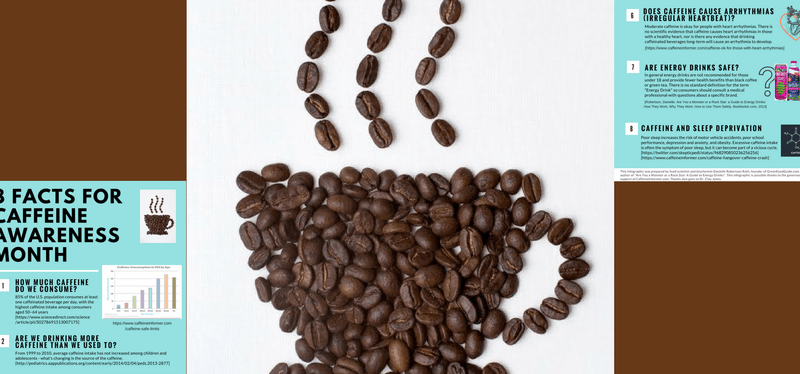
I love my Mountain Cabin coffee and drink a cup or more daily. Growing up ideas on coffee have changed many times. Some years coffee was good for you with it’s energy boosting caffeine, then it was bad for you, too much caffeine was unhealthy and every few years the position would revert good to bad or bad to good. All I know I wasn’t giving up my coffee, I was sticking to caffeinated, black coffee and drinking in moderation. Most recently, coffee has been back on the “nice” list because it contains antioxidants that are good for us all.

Now there is a new study released by the University of California-Irvine that claims coffee and alcohol could help us live past 90. It claims moderate alcohol and coffee consumption could be linked to living a longer life. Started in 2003, “The 90+ Study” examined 1,600 participants of the “oldest-old” age group, to determine the key factors to living to 90 years of age and beyond. The study is one of the world’s largest examinations of the age group, which is also the fastest-growing in the U.S., the publishers of the study claim. According to the research, “people who drank moderate amounts of alcohol or coffee lived longer than those who abstained.” Somewhat surprisingly, the study also claims that “people who were overweight in their 70s lived longer than normal or underweight people did.”

There are other studies that claim that having a healthy coffee habit can help you live longer, as well as studies that report moderate alcohol consumption is the key to a long life. Perhaps combining these two things is the fountain of youth. One study published in the Journal of the American Medical Association found that drinking up to eight cups of coffee a day, even decaf, could prevent premature death.

A new study of nearly half a million people in the United Kingdom suggests a lower risk of death was associated with drinking more coffee, including among coffee drinkers who have eight or more cups per day, in both slow and fast metabolizers of caffeine, and in drinkers of ground, instant, and decaffeinated coffee.

The results come with a warning to interpret them with caution because they are based on observational data and cannot prove causation,” a press release about the August 2018 study explained. While a straight line can’t be definitively drawn between coffee and living longer, these types of studies certainly make a case for dedicating more resources to researching the properties of coffee and alcohol.

The critical word in all of this is “moderate” consumption, which the Dietary Guidelines for Americans defines as up to one alcoholic drink (containing 14 grams of pure alcohol) per day for women, and two for men.

As to whether or not casual alcohol consumption can help you live longer, an analysis of 87 studies about the topic published in the Journal of Studies on Alcohol and Drugs reported that there is no direct evidence that drinkers live longer than non-drinkers. Basically, it’s really not clear what will help you see your 90th birthday.

However, if you enjoy coffee, go ahead and drink it. If you like to have a few drinks a week, it’s probably not going to hurt you. However, if neither of these things are your jam, there’s no reason to start consuming them now.

All I know I’m sticking with my Mountaiin Cabin Coffee and wine with dinner.

How about you?

Cold & flu season tips

It’s cold and flu season and there are so many things you can do to strengthen your immune system.

I haven’t had a major cold or flu in years. I attribute that to my move out of a mold infested house, a healthy lifestyle and my Peak Performance multi-vitamins. Lifestyle and taking care of yourself does make a difference.

Here is a simple guide to maintaining health throughout the cold and flu season.

Happy Wellness Wednesday!
#wellnesswednesday #keephealthy

Gin & Tonic Can Prevent Wintertime Colds?

We just read about a study that confirms Gin & Tonic can prevent wintertime colds. We know the Brits used Gin & Tonic to help prevent malaria in the tropics, this may be the next logical step for Gin & Tonic.

This awful winter rainy cold weather brings with it all of the symptoms of the common cold, including a runny nose, coughing, sore throat, and drowsiness. It is not something that we want, but it is something we have to endure during winter months.

If you enjoy feeling healthy and avoiding colds, there may be a solution hiding in plain sight. Many tend to reach for an antioxidant or superfood to cure a cold because of the high levels of vitamin C. It certainly can help to keep the cold away, but there may be something else you can do and it is a lot more fun! Have you ever thought about drinking a gin & tonic to help with your cold?

Some people may do it to help themselves sleep when they are sick but gin may actually be the alcoholic beverage of choice for those who are suffering. When you compare it with red wine, whiskey, and other alcoholic beverages, it has lower levels of histamine and that means fewer allergy triggers. If you plan on having a drink this winter, then the British Asthma Association recommends trying gin.

The low level of histamine is all due to the distillation process. When gin is distilled, it results in a lower histamine level but it also provides other benefits. One of those benefits is low levels of sulfites, which is also something that can help to keep your cold in check. It is also something that asthmatics would appreciate.

It’s National Shortbread Day

In our house we love shortbread, it’s a family favorite and perfect with a cup of tea. Maybe because it hearkens back to our Scottish ancestors, or just because it’s super buttery, Shortbread is a classic Scottish dessert traditionally was made with: 1 part white sugar 2 parts butter 3 parts flour.

Modern recipes deviate from the three ingredient rule by splitting the sugar portion into equal parts of granulated sugar and powdered sugar and add salt. Plain white (wheat) flour is commonly used. However, ground rice or cornflour are also sometimes added to alter the texture.

Shortbread is so named because of its crumbly texture which is caused by its high-fat content, provided by the butter. “Shortening” is its related word that refers to any fat that may be added to produce a “short” (crumbly) texture.