
Fruits and Vegetables Can Help Prevent Cancer

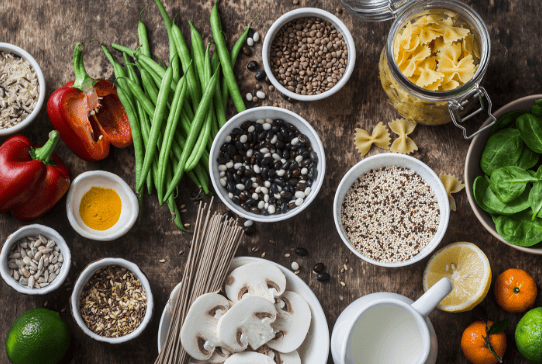
In study after study, diets high in fruits and vegetables have been shown to lower cancer risk. Fruits and veggies are rich in polyphenols, flavonoids, dietary fiber and antioxidant vitamins and minerals that have a huge impact on fighting cancer. 
Unfortunately, many conventionally grown fruits and vegetables are loaded with unwanted chemicals like, glyphosate – the active ingredient in the weedkiller Roundup.
Glyphosate was introduced in 1996, found to be ‘probably carcinogenic’ in 2015, and in 2019, scientists at University of Washington reported a compelling link between exposure to glyphosate-based herbicides and increased risk for non-Hodgkin’s lymphoma.

Note: The Environmental Protection Agency (EPA) continues to insist that there is no evidence that glyphosate causes cancer in people. That said, Bayer, which acquired Monsanto in 2018, has shelled out over $10 million for current and future lawsuits involving glyphosate and NHL. 

To no surprise, eating a diet filled with organic fruits and veggies is linked with lower cancer risks. Five servings/day is optimal but even two servings/day can lower your risk by 10%. Just make sure you choose organic!

Have you ever taken digestive enzymes?

Have you ever taken digestive enzymes? I take them before large meals or if I eat a lot of dairy.

The reason?
Taking a digestive enzyme with meals can make a difference in how you feel when you eat. It can reduce the feeling of being overly full, reduce gas and best of all… no bloating! From a nutritional perspective, digestive enzymes it help to break down the food so that the body has to do less work during the process of digestion and absorb the nutrients more efficiently.

To test the theory, I put a slice of steak in a Ziplock bag, added a little warm water and the contents of one capsule my digestive enzyme. In 10 minutes, the steak was broken down. That convinced me that digestive enzymes should be a part of my daily regimen.

My little capsules provide 18 unique digestive enzymes to help break down gluten, dairy, proteins, carbohydrates, fiber, and more, so, let’s break it down:

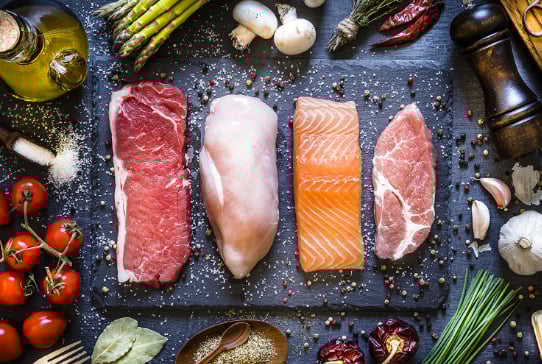
Breaks down protein in beef, chicken, pork, eggs, and nuts

• Protease 4.5 breaks down the proteins found in meats, nuts, eggs, and cheese
• Peptidase breaks down proteins during digestion to allow them to be used by the body
• Bromelain breaks down proteins
• Phytase helps the body digest minerals, such as calcium, zinc, copper, and manganese
• Protease 6.0 breaks down the proteins found in meats, nuts, eggs, and cheese
• Lipase breaks down fats found in dairy, nuts, oil, and meat products
• Neutral Bacterial Protease helps break down protein

Breaks down lactose and fats in milk, cheese, and ice cream

• Lipase breaks down fats found in dairy, nuts, oil, and meat products
• Lactase breaks down lactose (milk sugars)
• Acid Maltase breaks down proteins, carbohydrates, and fats to maintain an optimal absorption of nutrients
• Protease 6.0 breaks down the proteins found in meats, nuts, eggs, and cheese

Breaks down carbohydrates in bread, rice, pasta, cookies, candy, fruit, and vegetables

• Invertase breaks down sucrose (table sugar)
• Amylase helps break down starches to allow them to be absorbed and used for energy
• Glucoamylase helps break down starches into glucose, which is usable by the body
• Acid Maltase is used to breakdown proteins, carbohydrates, and fats to maintain an optimal absorption of nutrients
• Hemicellulase breaks down fiber and carbohydrates
• Pectinase is a group of enzymes that break down the pectin commonly found in plants
• Xylanase breaks down xylan sugars, like those found in corn
• Invertase breaks down sucrose (table sugar)

Breaks down fiber in salad, beans, and whole grains

• Alpha-galactosidase facilitates the digestion of beans, legumes, seeds, roots, and soy
• Cellulase breaks down cellulose (plant fiber)
• Beta-glucanase breaks down soluble fibers found in grains
• Hemicellulase breaks down fiber and carbohydrates
• Phytase helps the body digest minerals, such as as calcium, zinc, copper, and manganese

These little capsules are a game changer!

My gut health is so incredibly important to me, how’s your gut?

One simple way you can help to prevent cancer

Cancer is the second leading cause of death, right behind heart disease. According to many of the leading experts in integrative medicine, cancer cells mainly grow out of control due to the existence of too many toxins trapped inside the body and a lack of nutrition, on a cellular level. The message is simple: there are natural techniques that exist to help discourage cancer cell growth.

Did you know Getting Sufficient Vitamin D Levels Can Slash Your Cancer Risk?
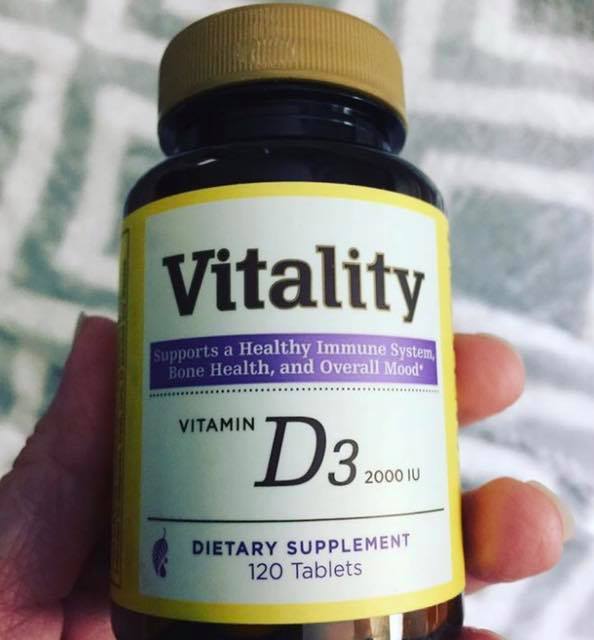
Having healthy levels of vitamin D has been linked in studies with lowered risk of bladder cancer, lung cancer and leukemia. But its “superpower” may well be its ability to decrease the odds of developing breast cancer. In a study of 4000 women over 55, participants with Vitamins D levels over 60 had one-fifth the risk of breast cancer than those with 20 (and 20 is what the medical community considers acceptable). It’s often recommended to make certain you get a minimum of 5000 IU’s of D3 every day PLUS and extra 2000 IU’s of K2/D.

When it comes to cancer, and other life- threatening diseases, the “sunshine vitamin” can lead to brighter outcomes.

Sources: “Sister Study 2017” and University of California San Diego School of Medicine

MAGNESIUM DEFICIENCIES

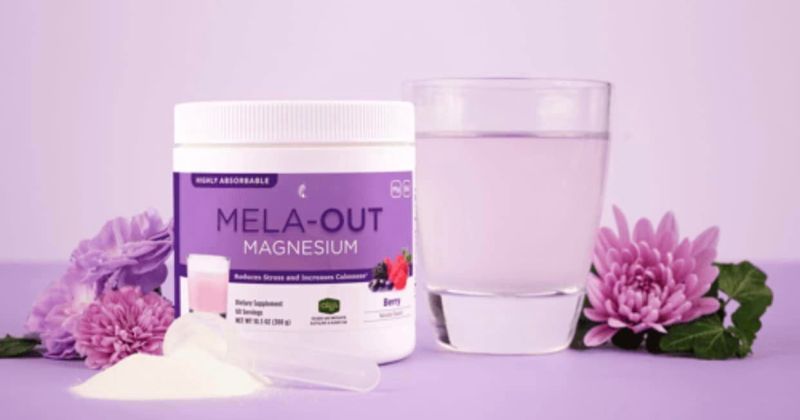
Magnesium is an ESSENTIAL mineral. That means we ABSOLUTELY NEED it yet over 70% of people are deficient in it.

How do make sure YOU get your magnesium every day? Powder? Capsule? Tablet?

Mine is an easy to use powder so I can throw it in my sugar free lemonade mix that I drink all day long. (I also throw my collagen mix in there too at some point during the day).Sometimes I even mix my magnesium in my protein shake.

What about you?

Skinny Fat

Skinny fat is a term to describe those who might be thin but have a high percentage of body fat. The medical term is sarcopenic obesity. This condition refers to an individual who may have what would be considered a normal/healthy weight, but metabolically, this person shares many health characteristics as someone who is overweight or obese. And that means they are at risk for a variety of health problems.

The Cause?

  • Losing muscle mass and gaining fat mass due to maintaining the same caloric intake and a sedentary lifestyle creates a skinny fat condition

The Description?

  • A person who is sarcopenic obese will have high fat mass and low muscle mass

The Analysis?

  • Getting a body composition test can help assess your body fat and muscle mass distribution

Possible Risks?

  • Increased risk of heart disease
  • High cholesterol
  • Insulin resistance, leading to Type 2 Diabetes 
  • Lower bone mineral density
  • Loss of cognitive function

The Solution?

  • Eating a protein-rich diet
  • Increase Skeletal Muscle Mass with weight training

Just because someone looks skinny, don’t just assume they are healthy.

Medications can impact nutrition

Did you know that when we take medications, they impact our bodies nutritionally?

I am NOT saying don’t take meds. I AM saying that when you take a medication, you need to address the depletion of nutrients caused by that medication.

I am NOT saying don’t take meds. I AM saying that when you take a medication, you need to address the depletion of nutrients caused by that medication.

So you need collagen?

Did you know that there are 28 types of collagen but only THREE types you need to focus on:
Type I , Type II and Type III.

Type I and Type III are in skin, muscles, tendons, ligaments, hair, nails bones and more. Type II is found in cartilage and in the joints to give support.

Interestingly enough, Collagen’s job is NOT to replace collagen in your body. It’s not a “Oh I’m deficient and i need to supplement” type of supplement. This supplement is meant to trick the cells into increasing production and activation of collagen. Think of collagen as the key to unlock the cells/ production line.

In order for the cells to be activated, they have to recognize the collagen supplement our body is consuming as the exact type the cells produce. If the cells don’t recognize that particular collagen, that collagen is literally sitting in the body doing absolutely NOTHING. Which means high gram amounts of collagen are irrelevant.

What matters is the TYPE of collagen it is and the PROCESS it went through in order for it to be recognized by the cells in your body to activate them to produce more collagen.

Most companies cannot make a direct claim about what their collagen does, but will give you a list a mile long of what the added ingredients will do, But the collagen I take can tell you what it will do for your cells.

Here are a few facts about the science behind my collagen:

• 5g hydrolyzed collagen. Bovine-sourced — because it is the closest in DNA structure to humans and it is the best to be able to activate the collagen production.

• 5g collagen peptides. Peptide sequence — the exact one your body needs:

This collagen contains astaxanthan (a red algae) which is a super charged antioxidant to help prevent further cell breakdown.Plus, this collagen is clinically proven to REDUCE CELLULITE, FINE LINES, AND SAGGING SKIN.

If you’re under the impression that liquid collagen is queen —here’s a secret, all liquid collagen starts as powder.

An affordable collagen with a 100% money back guarantee!

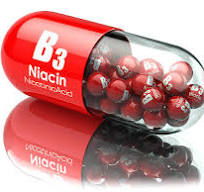
Do you take Niacin?

You may want to rethink the amount of this supplement you take. A new study reveals there are many connections between niacin and heart disease. For a while, many cardiologists were prescribing niacin for cardiovascular prevention, but more recent studies didn’t show much of a benefit from niacin—and this medication has significant side effects for many individuals.

These side effects include things like flushing, difficulty tolerating hot showers, increased blood sugar levels, insulin resistance, and dizziness, and have caused some cardiologists like himself to be skeptical about niacin for years.

Read more about the latest study results here at MedLinx

Balance is key

Millions of North Americans should be concerned about keeping their blood glucose levels in balance for optimal energy and wellness. Understanding what blood glucose is and what it does in your body is key to helping you and your customers understand your wellness needs.

Glucose is the main form of energy your body uses. The carbohydrates you eat end up breaking down into glucose for your body to use. It is carried to your cells by the bloodstream. Insulin helps move glucose from the blood into the cells so it can be used for energy. When you blood sugar is balanced, your energy levels are stable throughout the day. We have improved concentration and focus and are less likely to experience mood swings or other similar negative effects. Eating a balanced diet supported with supplementation and staying active helps your body use glucose efficiently, keeping you energetic and healthy!

Ready for the new challenge!

I’m ready…received my R3 delivery today.
I just need to review the R3 plan again. I’ve already printed out the Yes/No food lists for when we begin next week. I am ready to continue my wellness journey!

Would you like to join me in getting healthier? Let me know!