
Magnesium

Did you know…

that over 600 processes in your body revolve around magnesium?

Processes like creating energy, protein formulation, gene repair and maintenance, muscular movement and the nervous system.

  • Magnesium helps with exercise performance.—One study involving athletes showed that a magnesium supplement boosted their physical performance by creating energy when it is need immediately. 
  • Magnesium helps Type II Diabetes. —Studies have shown that blood sugars and A1c levels improve with consistent use of magnesium.
  • Magnesium helps Inflammation.— Supplementing with magnesium helps to control or reverse inflammation, which if left untreated leads to early aging, chronic diseases and obesity.

As with any supplement, not all magnesium supplements are created equal. I use a powdered formulation—which makes it easy to add to lemonade, water, protein shakes, and more. It also has Vitamin B6, which is essential for delivering the magnesium directly to the cells.

Magnesium ranks high in order of importance when it comes to your health, so if you aren’t taking magnesium, maybe now is the time to start!

Exercises for Our Eyes?

We often take our eyesight for granted. 

One of the meds I take has a side effect: it can lead to blindness. My mother had macular degeneration and had to take painful injections monthly for that. So given that history, I take a specific supplement to strengthen my eyes.

Now I plan to add in an exercise regimen — for my eyes. 
Just like many other muscles in the body, the muscles of the eye, including those responsible for changing the focal length of your vision—can atrophy without exercise.

Here are nice exercises that will help you keep your eyes in the best shape they can be:

Strengthen near and far focusing. Focus on your thumb 10 inches away for 10–15 seconds, then switch focus to an object 10–20 feet away. Repeat five times to improve focus adjustment ability.

Blink for a minute. Blink rapidly for 30–60 seconds to regulate blood circulation, lubricate your eyes, and prevent dryness.

Rotate your head while staring ahead. Turn your head in a circular motion while keeping your gaze straight ahead. This improves blood circulation to your eyes.

Look to your right and left. Slowly move your gaze from right to left while breathing. This one relaxes and stretches the eye muscles.

Close your eyes and relax. Close your eyes for at least 30 seconds to relax and strengthen your photoreceptor cells.

Move your gaze in different directions. Shift your gaze right-left, up-down, in circular motions, and trace a figure eight with your eyes. This improves visual perception for both near- and far-sightedness.

Close and open your eyes. Tighten your eyes shut for 3–5 seconds, then open them. Repeat seven times to improve blood circulation and relax your eye muscles.

Push against your temples with your fingers. Gently press your temples with your fingers for two seconds, then release. Repeat 4–5 times to improve fluid circulation in your eyes.

Draw geometric figures with your gaze. Use your eyes to trace shapes such as triangles, squares, and circles to enhance your eye coordination and muscle strength.

Access Bars

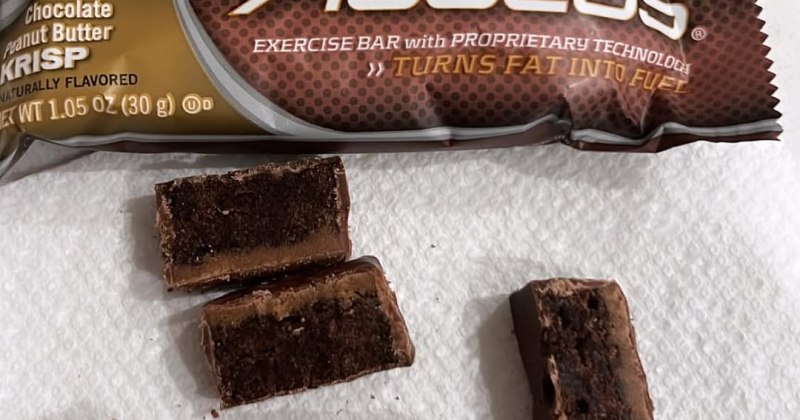
I love having the Access Bar for a pre-workout “snack” because of the fat burning technology the bar offers. They help me with my workouts too.
If I et one 15 – 20 minutes before a workout, my performance is improved and I am using a good source of energy as I am not exercising on an empty stomach.

Because they taste so good, I love cutting the Access bars into slivers when I’m having a sweet-tooth craving. A few slivers of the Access Bar always seems to do the trick and it help prevent binging on not-so-great snacks. These two flavors pictured are ling-time favorites!

How do you Access?

An Aspirin a day … 

…does more than keep the doctor away.


We are not talking Tylenol; that’s Acetaminophen. Aspirin has shown effectiveness in diabetes, multiple sclerosis, cardiovascular disease, cancer, the list goes on. In fact, research shows that it has multiple anti-cancer mechanisms. Aspirin has been shown to:

  • Reduce inflammation
  • Reduce blood clotting
  • Reduce lipolysis (the breakdown of fats that drive cancer progression)
  • Reduce the formation of new blood vessels to tumors (angiogenesis)
  • Act as an antioxidant
  • Counter the effects of estrogen
  • Counter the harmful effects of seed oils
  • Help to restore mitochondrial function (the brain of a cell)
  • Help to restore glucose metabolism

But before you run to the store to start taking aspirin, read on to get the full picture.

Aspirin has a lot of great benefits, the most common being for cardiovascular health. It helps to thin the blood and therefore prevent blood clots that can lead to stroke. Many individuals have been advised by their doctors to take a low dose aspirin (81 mg or baby aspirin) every day because of high homocysteine levels indicating a higher propensity for blood clotting. This “thick sticky blood” can also be a great environment for cancer cells, which is another reason some individuals take it..

Research warns against aspirin due to its harmful effects on the digestive system. However, other studies show that it may actually be protective. One found that low‐dose aspirin is associated with a 54% reduced risk of gastric cancer. Other research suggests that it may mitigate the effects of gluten sensitivity. But before you reach for the Bayer, know this:

Many aspirin brands contain heavy metals, something you don’t want in your body. You may want to try an aspirin powder such as Health Natura which is 99% pure—meaning it has no starches, binders, preservatives, etc. It’s a powder that you mix with water or even add to smoothies.

You need to know WHY you are taking a medication (or in this case, an over the counter option) and continue to monitor results, because you may not always need that aspirin.

How are you doing?

In this economy it’s so scary with businesses shutting down or filing for bankruptcy.
How many people do you know that have been laid off?

I have a proven second stream of income that has a 96% monthly reorder rate and true residual income.
No hamster wheel of starting at zero at the beginning of every month. I would love to talk to anyone that
is open to learn something new!!

Melatonin 

This hormone has been around a long time to help improve sleep. But research show that melatonin can have anti-cancer benefits too.
It’s been shown in several clinical studies to reduce side effect severity when taken along side chemotherapy and radiation. But adding melatonin to one’s daily regimen can help with survival rate and tumor regression.

How much melatonin should you take depends on your health and what your goals are.

To improve sleep, it’s generally suggested to take one to three mg of melatonin before bedtime. However, for those fighting cancer or who are in remission, human studies show that higher doses (20mg/night) can result in even higher survival rates by almost double.

It also can help minimize the negative effects of cancer treatments. 

  • Decrease the level of fatigue
  • Improve cognitive function (brain fog)
  • Protect agains lower platelet counts and neurotoxicity
  • Reduce symptoms of depression

Even if cancer is not your concern, we are exposed to so much artificial light (televisions, computers, phones, tablets, etc), that our melatonin levels can drop and our sleep cycles can be disrupted. 

Consider adding Melatonin to your supplements to help create a great night’s sleep!

IT’S 2025 — NOW IS THE TIME TO LIVE OUR BEST LIVES

HOW CAN WE LIVE OUR BEST LIVES?

Living our best lives is not just about making good nutrition and fitness choices that affect our health. It’s also about how we choose to live day to day. Audrey Hepburn offered three suggestions on how to live our best lives. Her timeless wisdom touches the soul and offers a guiding light to follow.

SEEK BEAUTY IN OTHERS — When we choose to see the beauty in people, it takes a lot more than judging at first glance. Take the time to uncover the goodness in others. Doing this can lead to wonderful relationships and personal growth.

GENTLE WORDS HAVE POWER  — Words possess extraordinary power. Words can uplift or wound, we must choose carefully. When we choose kindness in our speech, it can ignite a ripple effect of positivity in both our professional and personal spheres.

WALK WITH CONFIDENCE — Confidence transcends self-belief; it’s an acknowledgment that we’re never truly alone on our journey. When we realize that countless others have confronted similar challenges, we can emerge victorious.

A slight shift in our mindset can yield monumental results in our personal and professional life. Seek beauty, speak kindly, and stride with confidence—our pathway to success and fulfillment commences with these elegantly straightforward principles.

Wishing 2025 is your best year ever!

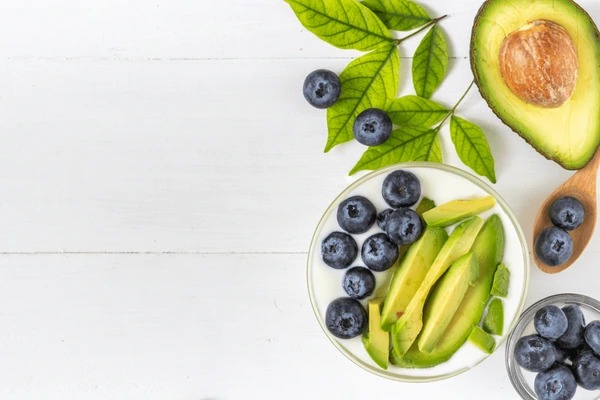
Which is healthier?

Avocado or Blueberries?

Both AARE considered a “superfood” so we obviously can’t go wrong with either one. But it’s good to view the differences if you have specific health goals.

  1. Avocado has more protein, healthy fat (Omega 3s), and fiber, while blueberries have more carbs. An easy win for avocado here, unless you’re on a calorie-controlled diet perhaps, since avocado is also higher in those.
  2. Avocado has more of vitamins A, B1, B2, B3, B5, B6, B7, B9, C, E, K, and choline, while blueberries are not higher in any vitamins. Pretty much a slam dunk here.
  3. Avocado is higher in minerals. It has more calcium, copper, iron, magnesium, phosphorus, potassium, selenium, and zinc, while blueberries are higher in manganese. Another win for avocados.
  4. Blueberries have about 1193x the polyphenol content that avocados do. Blueberries got the reputation for antioxidant properties for a reason; it is well-deserved!

Try adding an avocado to your salads to get more protein. Adding blueberries to your protein shakes and yogurt for healthy snacking!
How do you incorporate these snacks into your daily diet?

Fruits and Vegetables Can Help Prevent Cancer

In study after study, diets high in fruits and vegetables have been shown to lower cancer risk. Fruits and veggies are rich in polyphenols, flavonoids, dietary fiber and antioxidant vitamins and minerals that have a huge impact on fighting cancer. 
Unfortunately, many conventionally grown fruits and vegetables are loaded with unwanted chemicals like, glyphosate – the active ingredient in the weedkiller Roundup.
Glyphosate was introduced in 1996, found to be ‘probably carcinogenic’ in 2015, and in 2019, scientists at University of Washington reported a compelling link between exposure to glyphosate-based herbicides and increased risk for non-Hodgkin’s lymphoma.

Note: The Environmental Protection Agency (EPA) continues to insist that there is no evidence that glyphosate causes cancer in people. That said, Bayer, which acquired Monsanto in 2018, has shelled out over $10 million for current and future lawsuits involving glyphosate and NHL. 

To no surprise, eating a diet filled with organic fruits and veggies is linked with lower cancer risks. Five servings/day is optimal but even two servings/day can lower your risk by 10%. Just make sure you choose organic!

There’s nothing like waking up with GC in your cup!