It’s cold, flu and respiratory ailment season…

The Centers for Disease Control and Prevention wants to alert you about a respiratory infection that can affect your children and in some cases, adults. As it gets colder, parents make sure family members add layers and bundle up so they don’t become ill, but the CDC is warning parents to watch out for Respiratory Syncytial Virus or ‘RSV.’

RSV can start out as looking like a common cold. It is a respiratory virus that usually causes mild, cold-like symptoms and most people recover in a week or two. But RSV can also be serious, especially for infants and older adults.

In fact, RSV is the most common cause of bronchiolitis (inflammation of the small airways in the lung) and pneumonia (infection of the lungs) in children younger than one year of age in the United States. It is also a significant cause of respiratory illness in older adults. Right now, the CDC says there is not a vaccine available to treat RSV. There is a medicine that can help protect some babies. This medicine (called palivizumab) is a series of monthly shots.

Know the Symptoms: Fever; Reduced appetite; Runny nose; Cough; Wheezing

Help Prevent the Spread of RSV:

Wash your hands often.
Wash your hands often with soap and water for 20 seconds, and help young children do the same. If soap and water are not available, use an alcohol-based hand sanitizer that contains at least 60% alcohol. Washing your hands will help protect you from germs. Keep your hands off your face. Avoid touching your eyes, nose, and mouth with unwashed hands. Germs spread this way. I always keep my favorite hand sanitizer, Clear Sanitizer, with me because you never know when you will need protection from germs.

Avoid close contact with sick people. Avoid close contact, such as kissing, and sharing cups or eating utensils with people who have cold-like symptoms. Cover your coughs and sneezes. Cover your mouth and nose with a tissue or upper shirt sleeve when coughing or sneezing. Throw the tissue in the trash afterward and wash your hands.

Clean and disinfect surfaces. Clean and disinfect surfaces and objects that people frequently touch, such as toys and doorknobs. When people infected with RSV touch surfaces and objects, they can leave behind germs. Also, when they cough or sneeze, droplets containing germs can land on surfaces and objects. An everyday cleaner doesn’t kill bacteria and viruses. That’s why my final step in any cleanup—and in between cleanups—is my favorite Sol-U-Guard Botanical disinfectant. It is all natural and no chemicals and it works on 99% of germs!
Stay home when you are sick. If possible, stay home from work, school, and public areas when you are sick. This will help protect others from catching your illness.

For more information on RSV, please click here.

Getting on the wellness bandwagon

Even Weight Watchers has accepted wellness is key.

We just read that Weight Watchers renamed itself to ‘WW’ as consumers want to be well, not to diet .

Weight Watchers rebranded as “WW” to broaden its focus to health. The company, which has helped people watch their weight through assigning points to food and organizing meetings, is renaming itself “WW” to reflect to overall health.

WW’s new tagline is “Wellness that Works.” WW plans to launch a new app and a partnership with Headspace, a company that teaches meditation through an app.

I always believed that lifestyle, not diet, is the way to manage health and weight—after all, when you think about it, the first three letters of DIET are DIE and that’s what if feels like you’re going to do when you are starving yourself on a diet.

Over the past year, I’ve been using the R3 Plan and I’ve seen remarkable results losing a total of 25 inches in the past six months. I’ll share more about that in coming weeks!

Welcome to the wellness plan WW!

Oh to be healthy, wealthy and wise!

This is something I have discovered over the years and have come to believe this is true more than ever.

Do you agree?

Getting into shape for the new year

Here it is January 2 and one of the most common New Years resolutions is to “get into shape,” “eat better and work out more,” “to get fit and get healthy.”

These intentions make it one of the busiest times for personal trainers across the country. Because of this, January 2 is celebrated as National Personal Trainer Awareness Day.

National Personal Trainer professionals help make our promises from our resolutions, a reality. My personal trainer has played a major role in helping me achieve my health and fitness goals. I’m not done yet and still have a ways to go, but my trainer keeps me accountable and on track. I’m not someone who really enjoys working out, but I do love feeling fit. so I walk, swim and row almost daily and add in the obligatory weight time two or three times each week with my trainer coaching me to do more weight and reps.

With my trainer, 2019 will be the year my health and fitness goals are reached and exceeded!

Do you have a personal trainer or do you work out on your own?

What is your go-to emergency repair kit?

You never know when you’ll have a minor emergencies. Today, was  one of those days for me. Luckily, I carry two of my favorite first-aid remedies in my bag: MelaGel and Tea Tree Oil. I believe it’s an absolute must when you’re out and about. I use this brand of Tea Tree oil as it is the highest grade of tea-tree oil available to me. I find it soothing and healing , perfect for cuts, burns and insect bites without stinging or burning. even the little ones don’t complain!
Here’s a helpful winter tip: Use it on your cuticles in the winter so they don’t get dry and cracked.

What about Leg Cramping?

Leg cramping is not a pleasant experience. Surprisingly, 60% of all American adults suffer from them. An article from Medical News Today identified some causes and cures, if you, a family member, or a friend suffer from leg cramping.

The good news is that leg cramps in and of themselves are not serious. Many of them occur during the night (nocturnal) and can actually wake you up. The causes of leg cramping are idiopathic, meaning there is no clear cause.

Obviously, vigorous exercise can cause these cramps to occur hours after exercise has been finished. Dehydration is one common factor, so supplementing your workouts with water or a sports drink can help. It’s important to remember that too much of a good thing can be, well, too much. It is possible to overdo the electrolytes in these drinks.

This article identifies a plethora of other possible causes, like alcohol abuse, flat feet, kidney failure and vascular disease. Oddly, the position of your feet while you sleep can cause this cramping to occur. Generally speaking, painkillers are too slow acting to help with immediate relief. Hot or cold packs are probably a better alternative.

There is also evidence that a regular vitamin and mineral (especially magnesium) regime can help prevent frequent occurrence. The company with whom I am associated provides a full line of the highest quality supplements and sports drinks that can help you reduce the number of times you will be confronted with these aggravating episodes. So don’t just be active; be PROACTIVE.

https://www.medicalnewstoday.com/articles/180160.php

Health Benefits of Cranberries

When doing healthy meal planning we are likely to think of blackberries, raspberries, and strawberries in the berry category. The facts are cranberries, recent studies have identified have more than two dozen antioxidant phytonutrients that can help to make us healthier.

About one-third of all adults are estimated to experience what is known as Metabolic Syndrome which is not itself considered a chronic disease, but rather, a key risk factor for other chronic diseases, like diabetes and diseases involving the cardiovascular system, and often, UTI (urinary tract infections).

The health benefits of cranberries are highly credentialed as a phytonutrient-rich food. Most of these have shown to have antioxidant and/or anti-inflammatory properties and many other health benefits. The article below from The World’s Healthiest Foods describes a list of Anthocyanins, flavonoids, tannins and more that are delivered by cranberries in your diet.

Cranberries can help to regulate your risks from many chronic diseases as this article points out. It also provides a description, selection and storage suggestions and history of cranberries, which are arguably, a North American fruit.

One of the challenges of including cranberries in your healthy diet is their taste—tart, tannic and sometimes bitter— which explains why they are mostly a “special occasion” food (20% of their consumption is on Thanksgiving). My company has developed and manufactures a solution to that challenge in the form of a daily supplement that is made from cranberries. Their health benefits cannot be underestimated.   

www.whfoods.com/genpage.php?tname=foodspice&dbid=145

Blood Sugar and Insulin

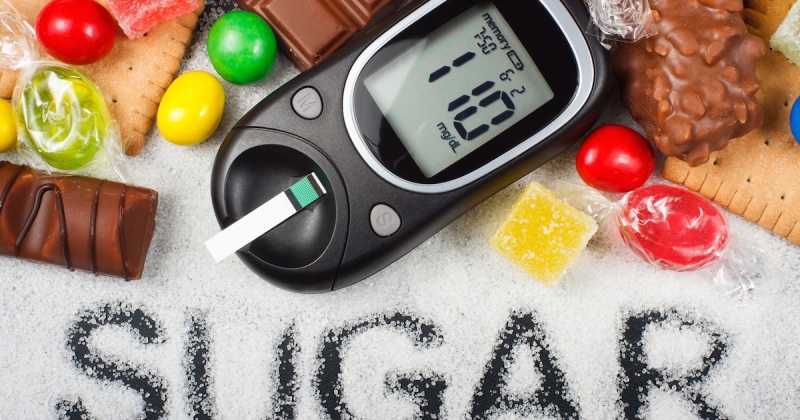
The ability of your body to control insulin can make significant differences in the quality of your health. Insulin is a hormone that is generated in your pancreas. It is released, optimally, in small amounts throughout the day and in larger amounts after meals.

Insulin and its effects can also cause you to gain weight, battle metabolic issues and even lead to diabetes. The below article from Get Your Lean On gives you some insight and tips on controlling the insulin your body manufactures.

Try to avoid all forms of sugar. There are study results referred to here that will give you some reasons why. In short, sugar promotes insulin resistance. Refined carbohydrates are another food to moderate or avoid completely, if you are able to, since they are converted to sugars.

The article also recommends eating foods that are higher in soluble fiber and will help stabilize and regulate blood sugar levels. Soluble fiber also produces higher levels of good “gut’ bacteria and makes you feel fuller, longer. Regular exercise should also be a part of your daily, healthy regime.

Finally, increase your consumption of lean protein. It helps to absorb valuable amino acids that build muscle. Eating the right proteins is critical to the overall effect of your insulin “smart” diet, so pay attention to the types and amounts of the protein you eat.

You may also want to consider some supplementation in your plan, regardless if your goals are weight-loss or simply universal good health. My company has developed a great tasting shake in several different flavors that allow me to easily and conveniently control my blood sugar and insulin levels.

www.getyourleanon.com/blog_home/2016/08/13/5-ways-lower-blood-sugar-and-insulin-levels-naturally-get-your-lean/

Are Suffering From Gluten Intolerance?

Gluten is a widespread name for the proteins that can be usually found in wheat products. Grains that contain gluten include wheat, barley, rye, oats and others. People who eat gluten-loaded foods can feel a plethora of symptoms—often described as allergic reactions that can yield to intestinal inflammations. Problems like an unpleasant feeling in the stomach can easily become long-term damage.

Currently, you can’t be tested for gluten intolerance—but taking the test to rule out celiac disease can help. During normal digestion, enzymes are in charge of breaking down long strands of protein. Gluten amino acids are called peptides and they can be absorbed and transported within the body for later use. Occasionally, the body will treat peptides as foreign bodies and set off alarms, convincing the immune system the body is under attack, which can create  all sorts of health problems and symptoms.

It’s often difficult to note gluten intolerance, because many food items can hide its presence. To find traces of this compound, you have to start reading labels. In that way, you will be fully aware of the elements that are in that item. Watch for food additives, medications, and flavorings. Having knowledge of what you put in your body is crucial for your health.

Here is a list of 15 Indicators that can help you determine if you are gluten intolerant.

  1. Constant headaches. The cause of recurring migraines after finishing your meal can be a big sign that shouldn’t be ignored. The biggest triggers are sugary foods, alcohol, dairy products, artificial sweeteners and processed meats. If you are eating lot of these foods, then there may be your answer. Be aware that everyday products like shampoos, products for cleaning and perfumes can contribute to migraines as well. The American Academy of Neurology hired researchers to do the study in 2001If this is the case, the solution doesn’t necessarily mean medicating yourself. Miracles can happen with just a few everyday changes. Try consuming more vitamins and minerals. Not only will they contribute to the migraines fading away but they can help with your overall health.
  2. Digestive problems. Gluten can affect the stomach and it can be the first organ to indicate something Is off. A study done in 2013 that was published in Gastroenterology Hepatology revealed some interesting facts. Gastrointestinal symptoms can be created by following the consumption of wheat in some people. Those people are usually suffering from celiac disease or allergies. Some of the symptoms are bloating, cramps, constipation, gas or heartburn. 
  3. Extreme exhaustion. Fatigue is a common symptom when we talk about gluten sensitivity. If you find you are extremely lethargic after a meal you may want to take a look at what foods may be triggering this feeling. Too many carbohydrates can give energy spikes that later lead to the feeling of somnolence. Hormonal imbalance due to gluten sensitivity can also yield some big changes to our body.
    Sleep problems like insomnia and struggling with proper brain function can have an impact on fatigue.
  4. Mood swings. We can all be prone to irritability—it’s normal and it happens to all of us. However, extreme anxiety and anger issues can feel awful—leading to a lack of self-control. People with a gluten intolerance have a tendency towards mood swings, feelings of depression and sadness. Two reasons are cited for these emotional rollercoasters: either your body is assaulting its tissues and yielding to inflammation or the gluten is obstructing the absorption of nutrients.
  5. Dermatological problems. One prominent target of gluten allergy-related effects is, of course, the skin—the biggest organ in the human body. It’s no rarity that people allergic to gluten suffer from multiple skin conditions at once. When gluten latches onto the top skin layer, the epidermis cells can get damaged beyond repair—causing rashes, itching, blisters and severe redness. A lack of vitamin A can also manifests itself through acne, psoriasis and several forms of eczema.
  6. Muscle pain due to fibromyalgia. FibromyalgiaFibromyalgia is the collective name for all types of muscle fiber-related chronic pain. It’s somewhat difficult to pinpoint, as it affects both muscle and connective tissue. Due to the prevalence of connective tissue, you may or may not feel pain in your bones too. One recently discovered cause of fibromyalgia just maybe gluten intolerance. During one prominent study, it was discovered that a non-celiac form of gluten sensitivity can be a cause of fibromyalgia. If you have fibromyalgia, you may want to try eliminating gluten-based products.
  7. Dental problems. Enamel is one of four major tissues that form the body of your teeth. Its role is to protect the body from acidic attacks and decay. Several proteins are responsible for its production—Enamelin and amelogenin are a pair of proteins responsible for creating and regenerating enamel tissue.  If you suffer from gluten sensitivity or a gluten allergy, these two proteins will be affected. This will lead to discolorations and problems within the enamel tissue. Because of this, it may become weaker and more sustainable to breakage.
  8. A clouded mind. A condition known as “mental fogginess” is characterized by a severe lack of focus and trouble staying concentrated. It’s a hazardous condition to have, as it can affect your day-to-day life. This cloudiness can indeed be caused by an intolerance to gluten and hinder the normal functionality of your brain and cause it to become less efficient in every way.
  9. A sudden appearance of autoimmune diseases.  When your body experiences gluten sensitivity, you tend to suffer from certain conditions known as autoimmune diseases. They are caused by the body attacking its own cells in a desperate attempt to preserve health and eradicate any presumed threat. There are 80 types of autoimmune diseases. Ones like lupus and multiple sclerosis aren’t surely caused by gluten. However, a person that already has MS or diabetes can see their symptoms worsen due to their gluten intolerance. A simple change in your diet can turn your whole life around in a matter of days.
  10. Frequent miscarriages and an inability to conceive. Everything about child conception and being pregnant is about hormones. There are several disorders which may severely disturb the hormonal system’s balance. One such disorder  isn’t really a disorder, but an intolerance to gluten. One woman went to a nutritionist as her last resort. He suggested that there may be a possibility of gluten intolerance. She laughed it off and tried removing bread and all wheat products from her diet. This instance proved to be the deciding factor in transforming her life. Several studies followed, describing the effect of gluten on human hormones. The results were astonishing.
  11. Unexplained weight gain. One side effect of celiac disease is unexplained weight gain. Weight gain might not be a direct result of gluten intolerance, but a side effect of a malfunctioning gut. As people who are gluten intolerant consume gluten-rich foods, the inner lining of the small intestine becomes inflamed, causing, tiny fissures appear allowing bacteria and other food molecules escape into the bloodstream. These foreign molecules are seen as foreign substances in the bloodstream and the white blood cells start to attack them, causing more inflammation. This makes for the perfect environment to pick up weight. The easiest way to determine if  gluten is the cause of  weight gain is by gradually decreasing or removing gluten from your diet. If your body weight starts to drop, chances are you are gluten intolerant. To be sure, however, you need to reintroduce the gluten-rich foods, one at a time. When you do this, you will be able to see if you gain weight again.
  12. Depression and anxiety. There are certain foods that seem to lift a person’s spirits and others that seem to bring a person down. Gluten can be a depression-inducing food. Only one percent of people in the US have celiac-disease, the most extreme form of gluten intolerance. There are a number of other people who live with non-celiac gluten sensitivity, and these people can experience digestive problems that are related to depression and anxiety. Gluten is also a major allergen that can cause unwanted brain reactions. A study was done 2014 where 22 people with non-celiac gluten sensitivity were given a gluten-free diet for three days. They then received either a gluten-rich, whey rich or a placebo diet to follow for a further three days. The researchers assessed the candidates after the three day period and calculated their depression scores. The candidates who received the gluten diet showed much higher depression scores than the candidates who had either the placebo or the whey diets. This strong correlation pointed towards how gluten could actually make you feel depressed. Another study published in 2007 also showed that people with celiac disease were 80% more likely to suffer from depression than those who were gluten tolerant. The study was performed on 1400 candidates. Furthermore, a Swedish study that was done in 2011, showed that people who had celiac disease also had a higher risk of committing suicide. Although the correlation between gluten and depression might not be a direct correlation, if you suffer from depression, you might want to consider cutting down on the gluten.
  13. Leg and arm numbness. One of the more surprising symptoms of gluten intolerance is peripheral neuropathy. This condition can manifest itself in a number of different ways, including numbness, tingling, burning and in some cases pain of the arms, legs, and feet. When you are gluten intolerant, your body sometimes starts to produce anti-gluten antibodies. When these antibodies attack the gluten, it occasionally also causes nerve damage. A study was done where 215 patients were screened for axonal neuropathy and the results showed that none of the patients had any medical reason for the neuropathy. However, when these candidates were tested to see if they were gluten intolerant, the study showed that 34% had high amounts of anti-gluten antibodies. Surprisingly 80% of all the candidates showed that they had the celiac disease gene. A clear indication that there had to be a connection between the neuropathy and gluten intolerance. According to the University of Chicago, it is actually quite common to show signs of neuropathy and not show any of the other gastrointestinal signs of gluten intolerance. Physicians recommend that you follow a gluten-free diet to alleviate and even remove any sign of neuropathy.
  14. Iron deficiency anemia. Iron is a vital component of hemoglobin (the red pigment) to enable the transport of oxygen. The symptoms that accompany iron deficiency anemia is fatigue, irritability, headaches, brittle nails and a decreased appetite. Celiac disease can cause damage to the small intestine and restrict the absorption of iron. During the early stages of the disease, the upper two parts of the small intestine become damaged—this is where most iron is absorbed. If you have been suffering from chronic anemia and medication has not alleviated the issue, it is recommended that you have yourself tested for celiac disease by your physician.  Once you have been diagnosed with celiac disease and you start with a gluten-free diet, you will notice a change in your energy levels seeing that your intestine begins to heal and absorbs more iron. You need to give the diet between two through eight months to correct the imbalances that occurred.
  15. Canker sores. Canker sores are little lesions or sores that form around the gums, the inside of the cheeks and underneath the tongue. A person can typically have one to six canker sores at a time and they usually last for about 10 days. These pesky little sores are quite common and can be triggered by a number of things. They typically start to form between the ages of 10 and 20 and tend to resolve or fade away during a person’s 30s. These tiny ulcers can be quite painful and irritating, seeing that they are extremely sensitive and make eating a chore rather than a pleasure. When these sores occur repeatedly, the condition is known as Recurrent Aphthous Stomatitis, or RAS. Doctors wanted to find out if there was a correlation between gluten and RAS and found 247 patients which were screened with the IgA antibody test, IgA and IgA anti-tissue transglutaminase. Seven random patients that tested positive for at least one of the sets were then sent for further biopsies and the results showed that they had gluten-sensitive enteropathy. These seven patients did not respond to the normal canker sore medication and were, therefore, put on a glutted-free diet for six months. During that time, four out of the seven patients showed a remarkable reduction in canker sores. The researchers concluded that when a person is diagnosed with RAS, he should consult a physician and test for celiac disease.


Antibiotic Overuse

As soon as we get the sniffles, a sore throat or a drippy nose, the first thing many of us do is reach for an antibiotic. They’re usually readily available in our medicine cabinets. They are available because they are over-prescribed by doctors and emergency rooms everywhere.

47,000,000 prescriptions in the U.S. are unnecessarily prescribed. Efforts need to be made to improve the way we take these drugs and the way physicians prescribe them. This should be a national priority.

The article below from the Centers for Disease Control outlines the dangers of overuse of antibiotics. Surprisingly at least 23,000 people a year die from antibiotic misuse.

The article states when antibiotics are needed and should be taken. Additionally, it explains when antibioticsare NOT needed and should not be taken. There are recommended alternatives that can be used (and things to do) to feel better. While antibiotics can be very effective when prescribed and taken properly, they can also cause physical problems like reductions in good bacteria and immunity to the antibiotics themselves.

Of course, the best way to fight disease is to stay healthy in the first place. A good diet, plenty of water and moderate to vigorous exercise are good lifestyle choices that help avoid the onset of disease. A pure and effective vitamin regimen can also be effective. Be sure that you research the supplements you choose and make sure there are studies that support your choice.

www.cdc.gov/features/antibioticuse/index.html