Fibromyalgia 

Fibromyalgia 

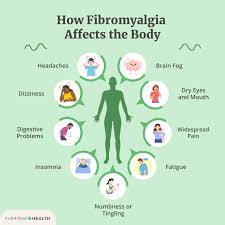
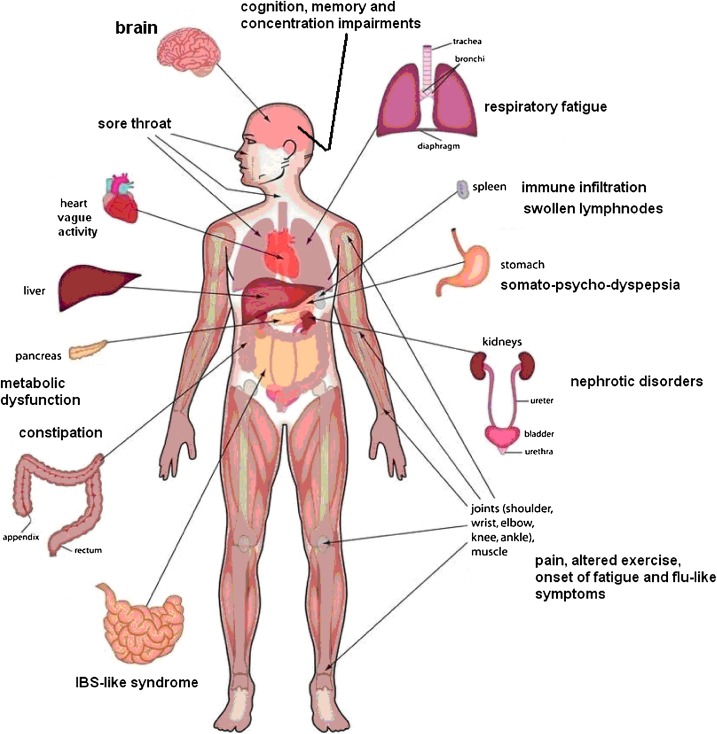
Fibromyalgia is a condition that causes pain, fatigue, and tender points around the body. It can cause sleep, memory, and mood issues. It can be hard to diagnose and treat because it has symptoms that are very similar to other conditions.
The exact causes of these changes are unknown, but the following elements are thought to contribute to fibromyalgia:

  • Genetics. Certain gene mutations can put people at a greater risk for this condition.
  • Infections. Certain illnesses seem to trigger or worsen fibromyalgia. Viral infections like Epstein-Barr or infections like Lyme Disease can lead to it.
  • Stressful Physical or Emotional Events. Serious injuries, giving birth, the breakdown of a relationship, emotional trauma are just a few of the life events that can trigger fibromyalgia.

How To Fight Fibromyalgia

Fibromyalgia often requires extra nutrition from other sources than our food. Proper supplementation with the following taken daily cam make a huge difference:

  • Magnesium with Vitamin B6
  • Vitamin D (5000 IU/daily)
  • Vitamin K2/D3
  • CoQ10
  • Vitamin B12 (methylated)
  • Melatonin

Certain Essential Oils that can also be beneficial:

  • Lavendar Oil – Relieves stress
  • Peppermint Oil – Relaxes muscles and improves mental stimulation
  • Sandalwood Oil – Helps with inflammation
  • Eucalyptus Oil – Decongestant and anti-inflammatory
  • Nutmeg Oil – Reduces pain and improves indigestion
  • Ginger Oil – Improves digestion

Chronic Fatigue Syndrome

Chronic Fatigue Syndrome (CFS) is a condition characterized by extreme tiredness or fatigue that doesn’t improve with sleep. It can often be misdiagnosed as depression which leads to improper prescribed anti-depressants.

Who is at risk for Chronic Fatigue? The top seven risk factors for chronic fatigue syndrome are:

  1. Women between the ages of 30 and 50.
  2. Being overweight
  3. Being inactive
  4. Having allergies
  5. Depression
  6. A stressful life
  7. Exposure to toxins

Technically, there is no cure, but there are steps you can take to address it. First, however, you have to know the root causes of CFS.

Root Causes of Chronic Fatigue Syndrome

Here are some common culprits of CFS (Chronic Fatigue Syndrome):

  • Viral, bacterial, or parasitic infections
  • Epstein-Barr virus
  • Heavy metal, toxic chemicals or mold 
  • Unhealthy digestive system and gut microbiome
  • Thyroid issues
  • Immune conditions
  • Adrenal exhaustion 
  • Hormonal Imbalances
  • Inflammation 
  • Mitochondrial dysfunction
  • Nutritional deficiencies 
  • Hypertension 
  • Mental stress

Pretty big list, right? So it’s important to not “self diagnose” an issues that’s not there. 
If you do have a proper diagnosis, here’s a few steps you can take to feel better:

  1. Eat a well balanced diet
  2. Consult about proper supplementation. Chances are you are deficient in more than one area
  3. Exercise within your limits
  4. Go to bed and get up at the same time every day

As always, I’m here to help in any way I can!

D you use supplements?

Many people buy supplements from Amazon or local drug stores without knowing where they come from, how they’re made, or if they even absorb properly! Quality and absorption are key to whether your supplements actually work as intended.

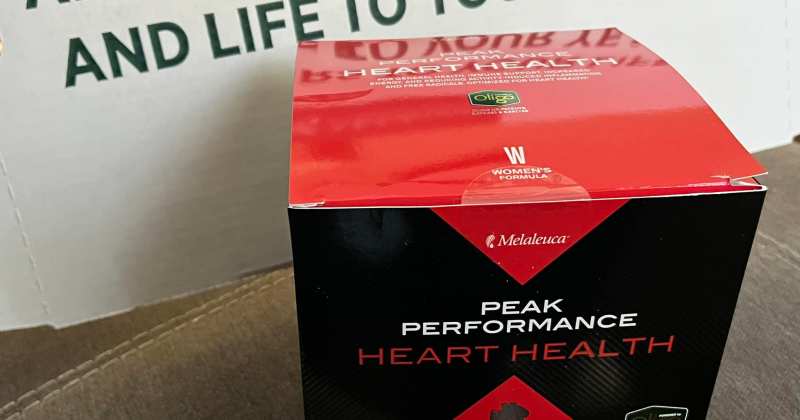
Here’s my story with Peak Performance supplements: I have an autoimmune disease, lung issues, and blood sugar concerns. But I no rarely take any pharmaceutical products! I made the right lifestyle changes and now use supplements that are clinically tested with advanced absorption technology.

Guess what? I put them to the test—when I stopped taking them for a few weeks, my symptoms started to return in full force.

Now, I only get my supplements directly from the manufacturer—fresh, high-quality, and at an affordable price. What could be better than that?

Palm Oil by any other name

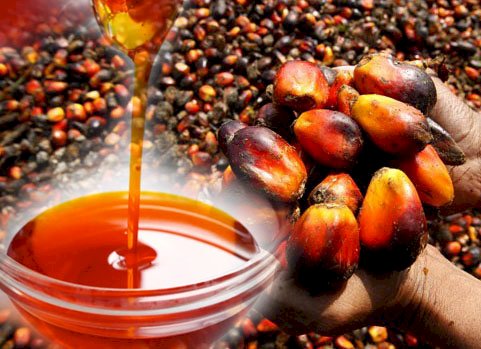
In an era where conscious consumerism is on the rise, many of us strive to make informed choices about the products we bring into our homes. Yet, there’s a stealthy ingredient hiding in a multitude of everyday items, from our favorite snacks to our bathroom essentials, that often goes unnoticed—palm oil. 

While palm oil itself isn’t inherently malevolent, its clandestine presence in countless products has raised concerns about its impact on the environment, wildlife, and indigenous communities..

What’s the problem with palm oil?
Palm oil is a controversial and widely debated commodity due to its environmental and social impact. Here are some of the main concerns associated with palm oil production:

  1. Deforestation: One of the most significant issues with palm oil is its link to deforestation. Large areas of tropical rainforests in countries like Indonesia and Malaysia have been cleared to make way for palm oil plantations. This destruction of natural habitats contributes to biodiversity loss and can threaten endangered species like orangutans, tigers, and rhinos.
  2. Habitat Destruction: The expansion of palm oil plantations often leads to the displacement of indigenous communities and local people who depend on these forests for their livelihoods. This can result in social conflicts and human rights abuses.
  3. Environmental Impact: The conversion of forests to palm oil plantations contributes to greenhouse gas emissions and climate change. Forests, especially peatlands, store significant amounts of carbon, and when they are cleared and drained for palm oil cultivation, carbon is released into the atmosphere.
  4. Burning Practices: In some regions, including Indonesia, palm oil companies have used slash-and-burn techniques to clear land for plantations. This practice not only releases enormous amounts of carbon dioxide but also causes dangerous air pollution and haze, affecting human health.
  5. Biodiversity Loss: The monoculture nature of palm oil plantations reduces overall biodiversity. Many species cannot survive in these plantations, which are often devoid of the diverse ecosystems found in natural forests.
  6. Water Pollution: The use of pesticides and fertilizers in palm oil cultivation can lead to water pollution, harming aquatic ecosystems and potentially affecting human health when contaminated water is used for drinking or irrigation.
  7. Ethical Concerns: Labor abuses and poor working conditions have been reported in some palm oil plantations, raising ethical concerns about the treatment of workers.

It’s important to note that the palm oil industry has made efforts to address some of these issues through initiatives like the Roundtable on Sustainable Palm Oil (RSPO), which promotes the use of sustainable practices in palm oil production. However, criticism has arisen regarding the effectiveness and enforcement of such initiatives.

Why is palm oil used?
Palm oil is used in a wide range of products and industries for several reasons:

  1. Versatility: Palm oil is highly versatile and can be used in both food and non-food products. Its semi-solid consistency at room temperature makes it suitable for various applications.
  2. Texture and Consistency: In the food industry, palm oil is often used to enhance the texture and consistency of products. It provides a creamy and smooth texture, which is valuable in items like margarine, ice cream, and bakery goods.
  3. Long Shelf Life: Palm oil has a long shelf life due to its high saturated fat content. This makes it an attractive choice for processed foods, as it helps extend the product’s freshness and prevents spoilage.
  4. High Melting Point: Palm oil has a higher melting point compared to many other vegetable oils. This makes it suitable for use in products that require stability at high temperatures, such as frying oils and baked goods.
  5. Flavor Neutral: Palm oil has a relatively neutral flavor, which means it doesn’t significantly impact the taste of the final product. This makes it a suitable choice for a wide variety of food items where a strong flavor is not desired.
  6. Cost-Effectiveness: Palm oil is often more cost-effective than other vegetable oils, which makes it an attractive option for food manufacturers looking to keep production costs down.
  7. Non-Food Applications: Palm oil is also used in non-food products, such as cosmetics, personal care items, and cleaning products. Its properties, including its ability to create stable emulsions and provide moisture to the skin, make it valuable in these applications.
  8. Biofuel Production: Palm oil is used as a feedstock for the production of biodiesel, a renewable and environmentally friendly alternative to fossil fuels.
  9. Industrial Uses: Beyond the food and cosmetic industries, palm oil is used in various industrial applications, including lubricants, candles, and soaps.

It’s important to note that while palm oil offers many functional benefits, its production is associated with environmental and social concerns, as discussed in a previous response. As a result, there has been growing awareness and efforts to promote the responsible and sustainable production of palm oil to mitigate its negative impacts. Consumers and companies are increasingly seeking alternatives and supporting sustainable sourcing practices to address these concerns.

Did you know destructive palm oil sneaks into your food using these 25 ingredient names.
Avoid them at all costs!

Palm oil often gets packaged under a multitude of different names, which can make it challenging for consumers to identify its presence in products. This practice is employed by manufacturers to obscure the use of palm oil and may involve a variety of alternative names, such as “vegetable oil,” “vegetable fat,” “palmate,” “sodium lauryl sulfate,” or even specific chemical compounds like “palmitate” and “stearate.” 

This is a full list of 25 alternative names for palm oil:

  1. Palmitic acid
  2. Hydrogenated palm glycerides
  3. Palmitate
  4. Vegetable fat
  5. Stearic acid
  6. Palm stearine
  7. Glyceryl
  8. Palmitoyl tetrapeptide-3
  9. Vegetable oil
  10. Stearate
  11. Palm kernel oil
  12. Palmolein
  13. Sodium palm kernelate
  14. Octyl palmitate
  15. Etyl palmitate
  16. Sodium kernelate
  17. Palm kernel
  18. Palmate
  19. Palmityl alcohol
  20. Sodium lauryl lactylate/sulphate
  21. Palm fruit oil
  22. Sodium lauryl sulfate
  23. Elaeis guineensis
  24. Palmitoyl oxostearamide
  25. Sodium laureth sulfate

Here is a list of products that often contain palm oil:

Food Products:

  1. Processed Foods: Many processed foods, such as cookies, crackers, and baked goods, contain palm oil as it helps give these products a desirable texture and shelf life.
  2. Margarine: Palm oil is used in the production of margarine to achieve a creamy consistency.
  3. Instant Noodles: Palm oil is often used in the preparation of instant noodles.
  4. Chocolate: Some chocolate products contain palm oil as an ingredient.
  5. Ice Cream: Palm oil may be used in ice cream to improve its texture and prevent melting.
  6. Snack Foods: Many snack items like chips, popcorn, and fried snacks are made using palm oil for frying.
  7. Baked Goods: Palm oil is used in various baked goods, including bread, pastries, and doughnuts.
  8. Nutella and Similar Spreads: Palm oil is a common ingredient in chocolate spreads like Nutella.
  9. Instant Soups and Sauces: It can be found in instant soups and sauce mixes.
  10. Cereals: Some breakfast cereals may contain palm oil.

Non-Food Products:

  1. Personal Care Products: Palm oil is used in cosmetics, soaps, shampoos, and skincare products due to its moisturizing properties.
  2. Cleaning Products: Some cleaning products, such as detergents and soaps, contain palm oil.
  3. Biofuels: Palm oil is used as a feedstock in the production of biodiesel.
  4. Candles: It can be used in the manufacture of candles.
  5. Industrial Lubricants: Palm oil is utilized in industrial applications, including lubricants.

It’s important to note that palm oil can be listed under various names and aliases on product labels, making it challenging for consumers to identify its presence. To make informed choices and support sustainable practices, consumers often need to look for specific certifications like the Roundtable on Sustainable Palm Oil (RSPO) or choose products explicitly labeled as “palm oil-free.”


Your Dinner Time Can Impact Your Metabolic Health 

I don’t know about you, as I get older, my dinner hour keeps getting a little earlier. Can anyone relate?
In reality, that’s not a bad thing. You know, that old advice to stop eating a few hours before bedtime exists for a good reason: 
Late night snacking may disrupt your sleep, add to weight gain, and increase your risk of Type 2 diabetes. 
Late night eating can have these consequences: 

  • Bigger Blood Sugar Spikes (which leads to a host of health problems)
  • Altered Fat Metabolism (it encourages fat storage)
  • Lower post-meal metabolic rate (you don’t burn calories as efficiently)
  • Great hunger (even though food intake was the same when compared with those who ate at an earlier hour)
  • Difficulty in losing weight 

It’s not always easy, but with a little planning, you can have your dinner and your evening walk too!

The R3 Lifestyle = Healthy Eating

If you’re tired of being on the hamster wheel of dieting then check out the R3 Lifestyle. It’s not a diet, there is no counting of calories, carbs, sugars or fats—just healthy food choices that you love

Here’s one of many recipes I share to help friends and family find healthy, affordable and easy options to stay on track and enjoy their life journey.

If you already follow R3 and partake in the challenges, the following recipe is R3 approved for all weeks one through six.

𝐁𝐔𝐅𝐅𝐀𝐋𝐎 𝐂𝐇𝐈𝐂𝐊𝐄𝐍 𝐁𝐈𝐓𝐄𝐒

This recipe is easy, delicious and will totally satisfy your cravings if you’re in the mood for boneless wings.
Great for snacks, appetizers, tailgating or any get together.

What you need:
• 1- 12.5 ounce can white chicken breast drained
• 1 cup of shredded cheddar
• 1 large egg
• 1/4 cup buffalo sauce
• Seasonings of choice

How to make them:

1. Combine all ingredients except buffalo sauce.
2. Shape into nuggets on a parchment lined baking sheet and cook at 400ºF for 20 minutes.
3. Take them out, toss with buffalo sauce or sauce of your choice & enjoy!

NOTE:
Serve with celery or carrot sticks with Blue Cheese, Ranch or any dipping sauce you like.
I doubled this recipe.

Facts about Coenzyme Q10 

CoQ10 is a nutrient that is naturally found in the body. As we age, our bodies produce less of this important nutrient plus our bodies break it down at a faster rate. It’s a very important nutrient. Check all that it does:

Cardiovascular Health: CoQ10 may improve heart function and reduce the risk of heart disease by acting as an antioxidant and supporting energy production in heart cells.

Antioxidant Activity: CoQ10 is a powerful antioxidant that can protect cells from damage caused by free radicals, which are unstable molecules that contribute to aging and disease.

Energy Production: CoQ10 is essential for the production of energy in the body’s cells. It may improve physical performance and reduce fatigue.

Muscle Function: CoQ10 may support muscle function and reduce muscle pain and weakness, particularly in individuals taking statin medications.

Neurological Health: Some studies suggest that CoQ10 may benefit individuals with certain neurological conditions, such as Parkinson’s disease and migraines.

Fertility: CoQ10 may improve fertility in women by enhancing the quality of eggs.

Other Potential Benefits: CoQ10 may have anti-aging effects, improve skin health, and regulate blood sugar levels.

You can find CoQ10 in beef, pork, chicken, fatty fish, eggs, spinach and broccoli but not in the amounts that we need, o supplementation is key.

Also know that if you are on a statin drug, that Rx stops your body’s natural production of CoQ10 so supplementing is critical.

I’m exclusively work my side hustle

Saying goodbye to my previous career to exclusively work my side hustle and travel has been a transformative experience.
It has not only provided financial stability but has also enriched my life in ways I could have never imagined.
Now, I can work from any corner of the globe with a laptop and a reliable internet connection—from bustling cafes in European cities to serene beaches in Southeast Asia.

My side hustle is a skill that will work no matter what’s going on in other markets. No matter how high interest rates are spiking.
No matter what the Federal Reserve has to say. No matter how much or little inventory is available. This side hustle will help you make money outside of your normal work environment forever.

If you’re feeling stuck in your current position, don’t be afraid to explore new avenues and consider a side hustle
I’m living proof that it can be done! Life is too short to settle for anything less than what truly makes you happy. Cheers to embracing change, pursuing dreams, and living life to the fullest!

DM me to learn more
PS this is not MLM!

Advice from an Urgent Care!

Everyone is getting sick now so it is a good idea to stay out of other folks faces.
You know RSV, Mycoplasma pneumonia, Flu A & B are going around. So many people
are showing up at urgent care, daily. after all, it’s winter and this year’s weather is making it worse.

They all need to be treated symptomatically, these are all viruses, that can last up to two or three weeks, especially walking pneumonia—which can leave you with a hacking cough for months.

There’s no antibiotic treatment for viruses so, .over the counter Mucinex DM (and the like) will loosen all the mucus and thin it out. Increasing fluids, also helps so go heavy on the water intake!

Using a humidifier if you have one will help keep your lungs clear of mucous,.

Take hot steamy showers with vapor tablets— it will feel like heaven and help loosen the mucous.

Take cough medicine for your cough (if you get rid of the mucus, you get rid of the cough)
Take Tylenol/ibuprofen for your fever, pain, headaches, etc.. Also, sinus flushing (sinus suction for the toddlers) or a netipot can be one of the best things you can do for the sinus pressure headaches.

If you have a nebulizer, use it every four to six hours (especially if you are asthmatic). If you don’t have the solution from the doctor, mix two cups of sterile water (bottled or boiled) with one teaspoon of salt. Believe it or not, it will help to break up all that mucus in your lungs, chest, and sinuses.

Stay well!

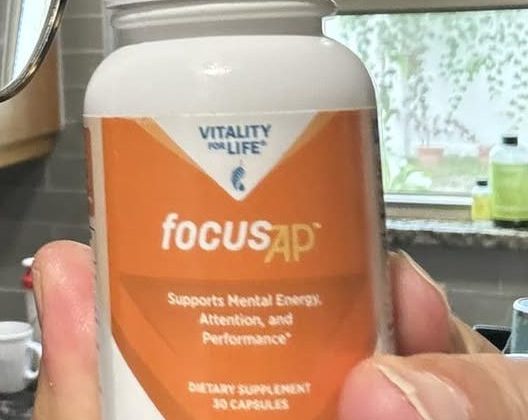
Staying “Focus”ed

I have been taking this product since June 2024. I have to say that it is an absolute game changer for mental clarity and consistent focus ability.
One small capsule per day first thing in the morning, and it literally lasts all day long. I feel amazing. I am fully alert and focused throughout the entire day.