Ready for the new challenge!

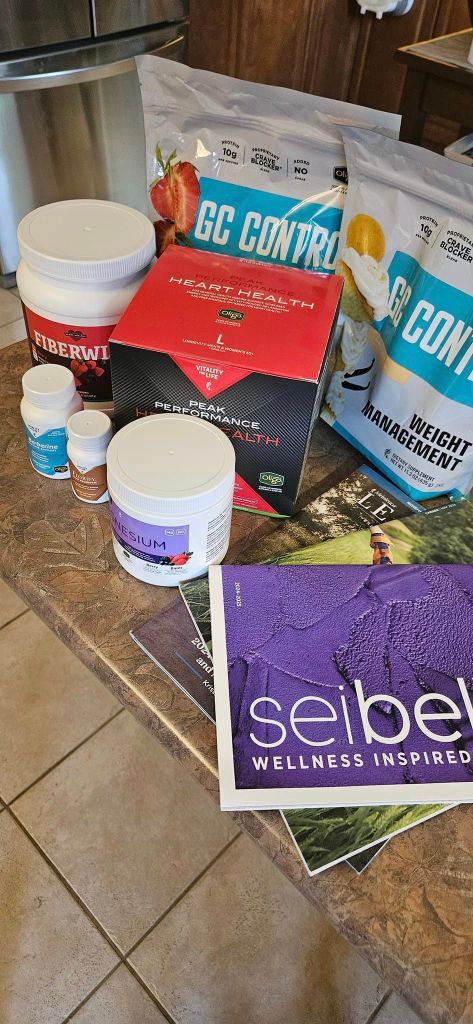
I’m ready…received my R3 delivery today.
I just need to review the R3 plan again. I’ve already printed out the Yes/No food lists for when we begin next week. I am ready to continue my wellness journey!

Would you like to join me in getting healthier? Let me know!

Do you have “Porous Bones”?

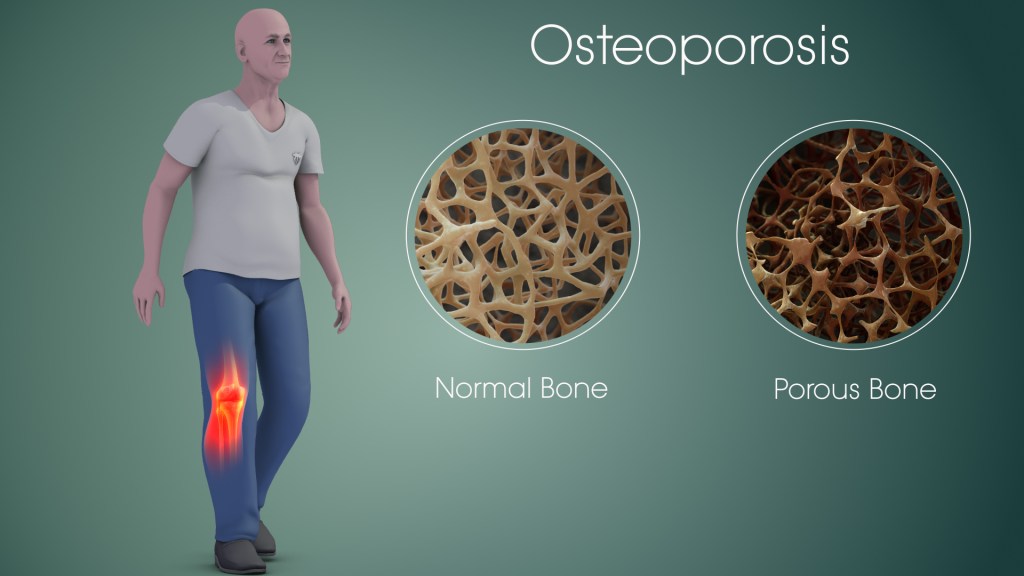
Osteoporosis means “Porous Bones”. It’s a disease that weakens bones, and once you have it, you’re at a greater risk for sudden and unexpected bone fractures. Osteoporosis means that you have less bone mass and strength. The disease often develops without any symptoms or pain, and it is usually not discovered until the weakened bones cause painful fractures. Most of these are fractures of the hip, wrist and spine.

The precursor to Osteoporosis in Osteopenia. If you are slender, of Northern European descent, and fair-skinned or blonde, you are most likely a poster child for Osteopenia. It’s very important to be proactive by making healthy lifestyle choices. Not smoking or misusing substances also decreases your risk. Vitamin supplements that contribute to bone health, such as vitamin D, calcium, and vitamin K should also be a staple in your diet to avoid bone weakness later in life.

Whether you have osteopenia or osteoporosis, you can build your bone density back up. Lifting weights, participating in pilates and strength training will help to promote new bone growth and maintain existing bone structure. 

However, if you are on a drug like Fosamax or Boniva, they STOP your body’s natural ability to produce bone. Those drugs do produce bone but a very poor quality bone with a high probability for breaking later.
Having worked marketing some of these pharmaceuticals, and reading the Physicians Information (PI), I personally would refuse to take those drugs. I would opt to improve my bone health naturally—focusing on proper exercise, nutrition and supplementation.

I believe in taking a proactive approach to my healthcare. I fully respect the medical community, but I came to realize that we need to do our own due diligence when it comes to health. Medication is necessary at times, but there is so much more we can do proactively, especially for prevention—taking the right, proven supplements that could make the difference..

This article is a good one regarding your options for osteoporosis. PYou have a choice. Be educated.

https://www.healthline.com/health/osteoporosis-alternative-treatments

Protect Your Cells from SUGAR DAMAGE

We all know that sugar is not good for us for a plethora of reasons, but did you know that excess blood sugar can lead to GLYCATION which accelerates body wide aging.

Diabetics already suffer accelerated glycation, but the destruction that happens from glycation can happen to people with normal blood glucose levels as well.

Thiamine is a B vitamin you get from foods like whole grains, meat, legumes and nuts. It helps cells in your body grow and work and is essential for energy production and brain health. Research suggests that Vitamin B1 (thiamine) can prevent diabetes induced damage in eyes, hearts and kidneys.

Remember, if you take B Vitamins, make sure they are methylated to ensure your body can absorb them.

Want to Slow Down the Aging Process?

AVOID THESE 8 HABITS

Often, we are attracted to products that will help us slow down the aging process, such as anti-aging skin care. But what about taking a proactive approach to staying young by AVOIDING habits that ACCELERATE the aging process?

When you read the Fox News article , overall, none of this should be new to you by now, except #8. That might be a surprise. But the two habits that you have the most control over are #3 and #4. 

  • “A nutrient deficient diet has been shown to accelerate aging, experts agree.” That’s why we need to supplement. Several essential minerals are missing from our food these days.
  • “A diet high in processed foods, sugars and unhealthy fats can cause inflammation, damage collagen and accelerate skin aging.” A recent study claims that eating a hotdog reduces life expectancy by 38 minutes, and eating salmon could extend it by 70 minutes. So it’s a good idea to watch how often you eat processed foods
  • “Lack of exercise contributes to aging by causing muscle loss, bone density reduction, weight gain and cardiovascular issues.” No surprise here. We all have been repeatedly told exercise is foundational to our health—so what will be you’re exercise of choice. Mine is rowing..

Which habit can you most easily improve upon?

Click here for the Fox News Article

In The News:

Brain Aging Reversed by almost 3 Years.

A recent clinical study showed that biological brain aging was reversed among participants who were in a nutritional supplement program for 13 months.

In the study, participants were assigned to take a tailored program of supplements that included (but not limited to)

  • Vitamins A, B Complex, C and D
  • Alpha-Lipoic Acid 
  • CoQ10
  • Magnesium 
  • Omega 3 Fatty Acids 
  • Zinc 
  • Probiotics 

Using a quantitative electroencaphalogram, brain biologial age was estimated before and after the program. Participants who consumed the supplements had a brain biological age that averaged 2.83 years younger that the age measured at the beginning of the study.

You are going to see more studies regarding reverse aging, which is very exciting!

20 year anniversary

This month marks 20 years of my partnering with the Best American Manufacturing Company a person could be blessed to find. How about you? Do you want to shop for better, safer, more natural products for your family? It truely couldn’t be easier!

Did you know…

that Magnesium is a critical electrolyte that helps in the electrical stimulation so our heart can maintain proper heartbeats?

Unfortunately, about 75% of Americans are deficient in magnesium. I know I was deficient a few years back. thus statistic means

that you could be one of the three out of four persons ;ow on magnesium.

Magnesium can be found in dark chocolate (my favorite) , avocado, nuts, legumes, bananas and leafy greens. But that’s not enough. We need to supplement, but how does one know which supplements to take?

You want to select one that is highly bio-available — I prefer one that is combined with vitamin B6 for even faster, better absorption.

An extra benefit? it’s in powder form! making it easy to add to smoothies, juices, or just even water!

Let me know if I can help you in any way!

Do you do FiberWise?

I do! Why? Because FiberWise contains a unique blend of multiple fiber sources along with vitamins, antioxidants, soothing herbs, and probiotics that gives a broad spectrum of full-body benefits.

I like it because it promotes digestive health. According to research, a high-fiber diet helps reduce the risk of many serious health concerns in the digestive tract.
It promotes healthy weight loss. I know it helps me feel fuller longer helping to reduce overeating, which in turn helps prevent weight gain and makes it easier to shed excess pounds. Plus there is an added benefit that it helps to reduce the risk of heart disease.

How? Well, soluble fiber may help lower total blood cholesterol and LDL cholesterol, which may in turn help lower the risk of heart disease. Supposedly it helps do this by “sweeping away toxins and waste throughout the body. Fiber helps keep toxins from recirculating in the bile and blood, and speeds the passage of waste from the body. another benefit is that it supports immunity by providing food for the “friendly” bacteria in your large intestine that fight the growth of harmful bacteria and contribute to immune support throughout the body. who can forget the primary selling benefit of fiber? It improves regularity. According to research, a high-fiber diet may help promote a healthy digestive tract.

How does it work? Well, fiber is a component of plant food that is never broken down and absorbed by the body—allowing it to perform important functions that no other food can. The two forms of fiber, soluble and insoluble, both play important roles in maintaining optimal health. 

One of the most treasured forms of fiber is psyllium husk. A flowering annual shrub-like plant, psyllium is a rare, unique ingredient that delivers the perfect balance of soluble and insoluble fiber in small, almost tasteless doses.

Psyllium is 68% soluble fiber and 32% insoluble fiber. Just seven grams of this precious fiber a day may reduce the risk of heart disease. Two servings of FiberWise drink a day will provide 7.0 – 8.0 grams! Diets low in saturated fat and cholesterol that include those seven grams of soluble fiber per day from psyllium husk may reduce the risk of heart disease. One FiberWise bar provides 1.7 grams and one serving of FiberWise drink provides 3.5-4.0 grams of this soluble fiber.

SOLUBLE FIBER. Soluble fiber dissolves in water and forms a gel-like substance during digestion. In this form, it traps excess sugars, fats, and cholesterol as it moves through the intestines, helping sweep them out of the body. It also plays an important role in lowering LDL blood cholesterol and reducing blood glucose levels after eating.

INSOLUBLE FIBER. Insoluble fiber is never dissolved. Instead, it acts like a sponge, soaking up to 15 times its weight in water. Its primary benefit is to provide bulk, which can help promote feelings of fullness while also speeding up the movement of food through the digestive system, promoting regularity.

HOW FIBER HELPS CLEANSE YOUR BODY OF TOXINS. The liver begins producing a substance necessary for digestion called bile. Bile is made of acids as well as cholesterol. Bile is stored and concentrated in the gallbladder until foods that contain fat are eaten. After eating, the bile is dumped into the small intestine, where it breaks up fat, grease, and food particles. At the lower end of the small intestine, the bile is broken down into its individual component parts—cholesterol, fat, toxins, and wastes. If there is an adequate amount of fiber in the intestines, the fiber binds up the cholesterol, fat, and toxins and sweeps them out of the body. If there isn’t enough fiber in the intestines, the toxins reenter the bloodstream and are recirculated throughout the body. These toxins will eventually reach the liver. This forces the liver to process them again and dump them into the intestines in the next batch of bile. That’s a lot of work!

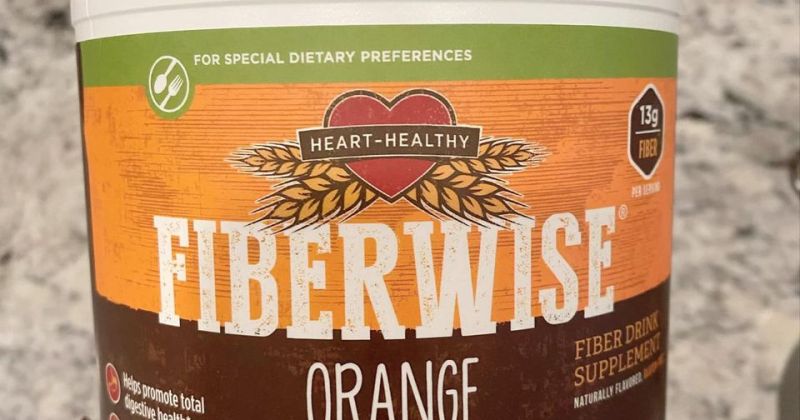
To help my system run in peak condition, I use Fiberwise either in the drink form (Orange or Raspberry) or, in the newer powder that is tasteless and can be added to my foods, such as home baked muffins, pancakes and waffles or even soups and gravies. FiberWise is formulated with a unique, proprietary fiber blend of psyllium, oat, apple, rice bran, chicory root, maltodextrin fiber, and fructooligosaccharide (FOS). FiberWise also contains a proprietary blend of soothing herbs, antioxidants, and probiotics to make each one a truly one-of-a-kind health supplement.

Soothing herbs such as ginger help reduce occasional intestinal gas and bloating, while peppermint and licorice root help balance intestinal flora and soothe mild indigestion. Antioxidants such as vitamins A, C, and E help fight free radical damage during digestion and throughout the entire body. Probiotics such as Lactobacillus acidophilus are “friendly” bacteria that help break down food in the intestines as well as create an environment that keeps “bad” bacteria in check.

On a daily basis, 95% of Americans are only getting about half as much fiber as they need. A single glass of FiberWise provides 13-15 grams of healthy fiber to help you meet your optimal daily fiber. To read more click here.

FiberWise Chart Description

Gluten Free Challenges

If you must (or choose) to go gluten-free, one of the challenges is getting enough dietary fiber. 
Why is that, you may wonder.

You see, on a typical diet, your doctor might tell you to eat more healthy whole grains, like wheat bran, whole wheat bread and cereals to increase your fiber intake. That can be a problem for those with celiac disease who are on a gluten-free diet since many gluten-free foods are low in fiber.

The good news is that there are plenty of gluten-free alternatives to whole wheat that are still high in fiber.

There are two types of dietary fibers – soluble and insoluble.
Soluble fiber soaks up water as it passes through your system, which helps bulk up your stool and guard against diarrhea. Examples of foods with soluble fiber include:

  • Legumes (beans, peas, lentils, chickpeas, soybeans)
  • Fruits (apples, pears, oranges, prunes)
  • Vegetables (carrots, broccoli, Brussels sprouts, eggplant)
  • Sweet potatoes
  • Ground flax seeds and chia seeds

Insoluble fiber helps prevent constipation. Examples of foods with soluble fiber include:

  • Quinoa
  • Buckwheat
  • Millet
  • Wild and brown rice
  • Nuts (almonds, walnuts, pecans)
  • Fruits (strawberries, papayas, mangoes)
  • Vegetables (cucumber, asparagus, okra)

When consuming a diet rich in fiber, it is important to drink water to prevent constipation. Consuming about eight (8-ounce) glasses per day is recommended for adults.

To go gluten-free or not: That is the question!

Actually, it’s not that simple.

There are benefits of going gluten free, true. For those with celiac disease, it’s a priority! If you don’t have celiac disease, there are several things to consider before going gluten-free:

  • Lack of fiber. Most Americans already miss the mark on fiber. Women require 28 grams of fiber/day, men need 35 grams. The average American gets less than 15 grams a day. That means you will need to think about taking a fiber supplement.
  • Increased risk of Type II Diabetes. Research showed that when participants ate gluten, they were less likely to be diagnosed with type 2 diabetes. The study showed that the more gluten in the diet, the lower the risk of diabetes. Fiber, vitamins and nutrients found in healthy foods containing gluten proved to be beneficial to the overall health of the participants.
  • Weight Gain. Many gluten-free baked items like muffins, cookies or brownies are higher in calories and sugar than their ‘normal’ gluten-containing counterparts. That’s because the items still need to taste good and offer similar texture, but one one item is removed another is there to take it’s place and it can be in the form of a higher sugar or fat content. Because people are tricked into thinking they’re making a ‘healthier’ decision when they choose a gluten-free diet, they often don’t take the time to check labels and nutrition facts. This can lead to weight gain and mote unhealthy choices.
  • Lack of essential vitamins and nutrients. Switching to a gluten-free diet by choice means you also need to be mindful of what you eat. This makes it more difficult to maintain a balanced diet, which may lead to completely unnecessary added stress in the grocery store aisles for limited benefits. Reseach shows that people on a gluten-free diet have increased levels of heavy metals in their blood and urine – possibly due to the increased consumption of rice in gluten-free foods.

Making the choice of going gluten-free is not an easy one. Based on the way that gluten works, it’s an all or nothing decision. If you think going gluten-free is for you, please do your research.