Antibiotic Overuse

As soon as we get the sniffles, sore throat or a drippy nose the first thing many of us do is reach for an antibiotic. They’re usually readily available in our medicine cabinets. They are available because they are over-prescribed by doctors and emergency rooms everywhere and all the time.

47,000,000 prescriptions in the U.S. are unnecessarily prescribed causing efforts to improving the way we take and the way physicians prescribe antibiotics to become a national priority.

This article from the Centers for Disease Control outlines the dangers of overuse of antibiotics. Surprisingly at least 23,000 people a year die from antibiotic misuse.

The article points out when antibiotics should be taken and when they are needed. It also tells us when they shouldn’t be taken and when they are NOT needed. It also recommends alternatives that you can use (and things you can do) to feel better. While antibiotics can be very effective when prescribed and taken properly, they can also cause physical problems like reductions in good bacteria and immunity to the antibiotics themselves.

Of course, the best way to fight disease is to stay healthy in the first place. A good diet, plenty of water and moderate to vigorous exercise are good lifestyle choices to avoid the onset of disease. A pure and effective vitamin regime can also be effective. Be sure that you research the supplements that you choose and make sure that there are studies that support your choice.

Centers for Disease Control  article

The most physically fit U.S. city

Arlington, Virginia came in on top in this year’s ranking of the most physically fit U.S. cities by the American College of Sports Medicine (ACSM), which determined that Arlington had the lowest smoking rate among the largest cities and the best reports of good or excellent health.

Also in the top 10: Minneapolis, MN; Madison, WI; Portland, OR; Seattle; Denver; St. Paul, MN; San Jose, CA; and Boise, ID.

Arlington edged out Minneapolis, MN by only half a point, and beat Washington, D.C., just across the Potomac River by 3.7 points. The lowest ranked cities on the list were Oklahoma City, OK; Indianapolis, IN; Louisville, KY; Detroit, MI; and Toledo, OH. *

The ACSM fitness index assesses 33 measures of health behaviors, diseases and community infrastructure to determine the most fit city. It reported that more than three-quarters of adults in all 100 cities were physically active in the month before the survey, although only half of them met aerobic activity guidelines and merely 22 percent met both strength and aerobic guidelines. In terms of diet, the ACSM found that only 30 percent of adults responding reported eating at least two servings of fruit daily and only 18 percent said they eat three or more servings of vegetables per day.

*Source: consumer.healthday.com/fitness-information-14/misc-fitness-health-news-312/america-s-fittest-city-arlington-va-733713.html

Happy Wellness Wednesday

This is a truism! I love helping others on their wellness journey!
❤ Happy Wellness Wednesday!

#givingback #healthiswealth #wedoittogether #we #wellnesswednesday

Men’s Skin Care and More

In the past, Men’s toiletries were largely deodorants, fragrances and shaving products. As this CNBC article points out, that is no longer the case. In fact, the men’s skin and personal care market is booming.

Since 2012, beauty and personal care products targeting men has grown by more than 70% and now represents close to 10 billion dollars. Many companies are, understandably, now paying attention, with a 100 million a year in growth, the industry has even “coined” a word for it: Mampering.

While many national and global companies are investing millions into developing products specifically targeted to the men’s segment, many men are using products that are used by women.

Men, particularly millennials, say that the use of personal care products boosts their self-esteem. But the use of these personal care products are not limited to the millennial segment, more and more adult men are using these products to counteract the effects of dry and aging skin.

One of the biggest challenges that companies have in developing these products is that men want their grooming routine to run no more than 30 minutes. Combining products seems to be the answer they have found. Stay tuned for the compromises that must be made for combination products.

Results will always be the way these products will be judged. For that reason, it may make sense to use female-targeted products as a unisex solution. Afterall, billions of dollars have been invested in the development of these women’s products and solutions. The results are what you are seeking regardless of whether you achieve them with a woman’s or a men’s product. 


Barbara Hay
732.233.6541
hayseeds@me.com

Follow me on…

Healthy choices.

If you’ve ever been on a diet and failed, you will love how simple this is.
You are not required to weigh food, measure, count calories or keep a journal.

I love that it’s not a diet. Most of all I love my results and how I feel!
So glad I took a chance, I’ll never go back. Its all about healthy choices.

Peak Performance

At 83 years of age, Frank Ledoux is still competing in the one-minute sprint row. In fact, he’s ranked #2 in the world in the 80+ age category. Frank and his wife Judy attribute much of their vitality to Peak Performance Total Health. “I just feel wonderful,” Frank says. “We work out three days a week, we hike, we play golf, we do everything. How can we feel so good at our age? It has to be the nutrition in the Peak Performance Pack.” —Frank & Judy Ledoux

I love my Peak Performance, how about you?


#enhancelives #liveschangehere

A Valentine’s Kiss, before or after?

Do we kiss or drink coffee?

Why, we drink coffee first, of course!
Especially since we drink what must be the best coffee ever!
There’s no bitter aftertaste, nothing added, no chemical processing, just 100% Arabica Coffee beans from Colombia. Delicious!

It doesn’t need to be a National Coffee Day for us to be excited about our coffee. We get excited to drink Mountain Cabin Coffee every morning and every evening!

Now where is that Valentine’s morning Kiss?

#CoffeeLovers #MountainCabinCoffee #GetYourOwnBag #NationalCoffeeDay #InternationalCoffeeDay

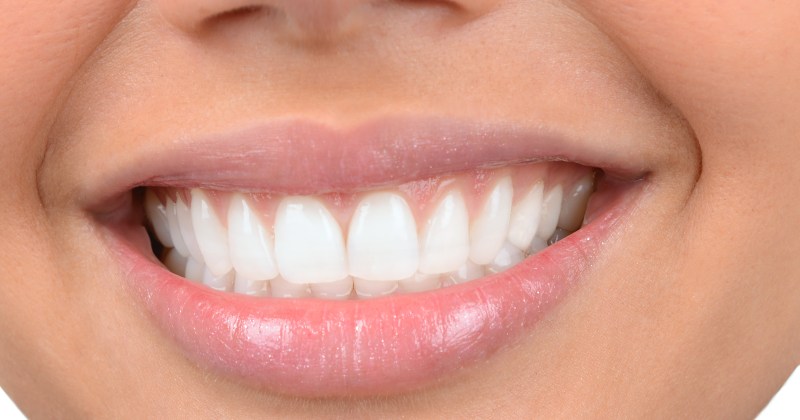
It’s National Toothache Prevention Day

Also known as odontalgia, a toothache is pain generating from a tooth or multiple teeth.

A toothache can make us miserable, making it difficult to eat, sleep or sometimes even talk. It’s safe to say, toothaches are never pleasant and not really something to celebrate— so this “holiday” is all about prevention of toothaches.

There are more than 100 million bacteria in every drop of saliva. Many of these are harmless, but others cause health problems like toothaches if left unchecked.

When it comes to controlling oral bacteria, routine dental care is an important first step. Use toothpaste or tooth polish, dental floss and a mouth rinse regularly. Used regularly dental care products are effective in brightening dull teeth, getting rid of bad breath caused by food, gingivitis or smoking!

A Tooth Polish with natural ingredients will help prevent plaque, tartar, and gum disease for a lifetime of healthy smiles.

Avoiding sugary foods and acidic drinks and daily brushing and flossing are important, too. Even so, we can still develop cavities, have accidents that break or chip at tooth or find ourselves with an infection. Teeth can also become sensitive to heat or cold.

Treating a toothache in the short term may be simply handled by over-the-counter treatments, but seeing a dentist may still be required to resolve the issue. Some toothaches are so severe as to require emergency intervention, so treating the early signs of a mild toothache is important.

Early Puberty Mystery Linked to Family Exposure to Household Chemicals

American girls are now going through puberty significantly earlier than in prior decades and this trend has been linked to physiological and psychological risks. Factors thought to drive early puberty include: obesity, toxic stress, and environmental elements.

A recent landmark study focused on one particular type of environmental element — chemicals in household items. A long-running study on mothers and children published in Human Reproduction determined that the onset of female puberty is associated with exposure to commonly used chemicals like phthalates, parabens, and the antibacterial agent triclosan.

These products can be found in personal care products, some brands of perfumes, cosmetics, and toothpaste. The same result was not found in populations of boys, whose timing of puberty was also examined in this study.

University of California, Berkeley associate professor Kim Harley, Ph.D reported that researchers have known for the past 15 to 20 years that girls are entering puberty at an earlier age than they used to in the past. Obesity certainly plays a role in that, but now science has shown that the hormone-disrupting chemicals that are in our homes and in our environment could be an additional factor that’s contributing to this.

While it’s too soon to say conclusively whether these widely used chemicals are definitively causing early puberty, we need to pay attention to these chemicals and studies are starting to have enough information about them to certainly be concerned.

Discovering the cause of early puberty is important to scientists because the phenomenon is linked to a higher risk of developing depression, a greater risk for teen pregnancy, and an increased likelihood of developing diseases like breast cancer and heart disease.

The new study’s conclusions are based on data on pregnant women and the children they gave birth to who were enrolled in the Center for the Health Assessment of Mothers and Children of Salinas study between 1999 and 2000. When the women were at around 14 and 27 weeks’ gestation they gave the scientists consent to examine their urine samples for concentrations of phthalates, parabens, and phenols.

After the women gave birth, the team collected urine samples and evaluated the pubertal development of the resulting 179 girls and 159 boys. Every nine months between the ages of 9 and 13, scientists checked in to see how puberty was affecting the children. Overall, 90 percent of the urine samples showed concentrations of all the tested compounds. That was only detected in the 73 percent of the samples of pregnant mothers and 69 percent of samples taken from the nine-year old girls.

Mothers whose samples contained diethyl phthalate and triclosan had daughters that entered puberty earlier. For every doubling of triclosan in the mother’s urine, the timing of the girls’ first menstrual period shifted by just under a month and for every doubling in the samples for an indicator for phthalates, the development of girls’ pubic hair shifted by 1.3 months earlier. The urine samples taken from 9-year old girls revealed that, for every doubling in concentrations of parabens, the timing of the breast and pubic hair development, as well as their first period, happened one month earlier on average.

One reason these chemicals may affect puberty is because all of them are known endocrine disruptors. Previous studies on animals and humans have demonstrated that endocrine disruptors have the capacity to mimic, block, or otherwise interfere with the body’s hormones. They can bind to hormone receptors, such as estrogen receptors, and influence changes in our bodies. These chemicals can impact development, particularly if the exposure is happening in utero, and t research from human studies show that they may also impact development.

The difficulty in sharing the study’s results is that for now all they can say is that these are “chemicals of concern.” The Centers for Disease Control and Prevention readily acknowledges that there’s widespread exposure to phthalates and parabens, with the majority of Americans who are tested containing evidence of these chemicals in their urine. However, the agency states that finding a measurable amount of these chemicals does “not imply that they cause an adverse health effect.”

Harley hopes that regulators look at studies like hers when they move forward in conducting policy decisions and regulations. As of now, she explains, there’s no established benchmark level that states when it’s no longer safe to be exposed to these chemicals. It’s not illegal to have them in personal care products because the science isn’t strong enough to say that they absolutely cause adverse health effects. They are controversial chemicals, and about 70 percent of Americans have them inside their bodies.

These chemicals are basically ubiquitous. Regulation isn’t really there, but for people who are concerned, there are things that can be done. The advice is simple: Reduce exposure to chemicals of concern by changing the personal care products that you use and by purchasing products that don’t contain them.

So if you’re like me and pay attention to labels and ingredients, you may be concerned about the health and well being of your families, and arre careful about what you bring into your home. Switching to products that are formulated with natural, biodegradable ingredients and contain no harsh chemicals means they’re safer for your children, family, your home, and the environment.

It’s National Wear Red Day

Heart disease and stroke kill one in three women. These diseases are 80 percent preventable according to Go Red for Women’s official website.