
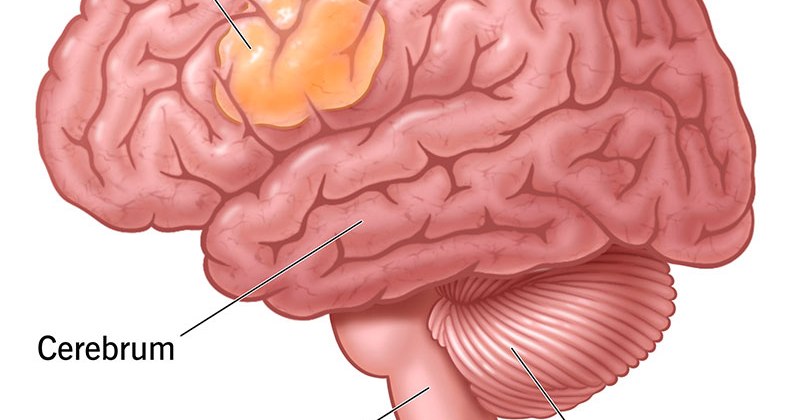

When cells in our brain grow out of control, they can form a solid mass. Because your brain has many types of cells, it can get many kinds of tumors. Some are cancer, and others aren’t. Some grow quickly, others slowly. But because the brain is our body’s control center, we have to take all of them seriously.
In adults, the most common tumors that start in the brain are meningiomas and gliomas.
Meningiomas make up more than 35% of all primary brain tumors. They don’t grow from brain tissue itself, but from cells in the brain’s covering. Their non-cancerous location and growth make them serious.
The most common cancerous brain tumors are glioblastomas, about one in five. They’re a type of glioma, tumors that start in your glial cells. They spread quickly and are often fatal.
There has been a noted increase in people being diagnosed with brain tumors. Technology makes them easier to see, but researchers are also looking into other possible causes, such as things in the environment, cell phones, etc.
BRAIN CANCER RISK FACTORS AND SYMPTOMS
RISK FACTORS
- Radiation. Radiation directed at your head to treat another medical condition, like leukemia, can raise your risk for brain cancer.
- Age. Adults over age 50
- Other Health Issues. A weak immune system, organ transplant, or if brain tumors run in your family.
SYMPTOMS
Early diagnosis is critical. Symptoms depend on the kind of tumor you have and where it is, but you may:
- Act in ways you normally wouldn’t
- Feel sleepy throughout the day
- Find it hard to express yourself, like you can’t find the right words or feel confused
- Get bad headaches often, especially in the morning
- Have problems seeing, like blurred or doubled vision
- Lose your balance easily or have problems walking
- Have seizures
It’s usually not clear what puts you at risk for a primary brain tumor — one that starts in your brain. But one known cause is radiation directed at your head to treat another medical condition, like leukemia. In most of these cases, the benefit of radiation outweighs the risk that it might cause cancer in the future.




 Hayseeds Creative