
Exercises for Our Eyes?

We often take our eyesight for granted. 

One of the meds I take has a side effect: it can lead to blindness. My mother had macular degeneration and had to take painful injections monthly for that. So given that history, I take a specific supplement to strengthen my eyes.

Now I plan to add in an exercise regimen — for my eyes. 
Just like many other muscles in the body, the muscles of the eye, including those responsible for changing the focal length of your vision—can atrophy without exercise.

Here are nice exercises that will help you keep your eyes in the best shape they can be:

Strengthen near and far focusing. Focus on your thumb 10 inches away for 10–15 seconds, then switch focus to an object 10–20 feet away. Repeat five times to improve focus adjustment ability.

Blink for a minute. Blink rapidly for 30–60 seconds to regulate blood circulation, lubricate your eyes, and prevent dryness.

Rotate your head while staring ahead. Turn your head in a circular motion while keeping your gaze straight ahead. This improves blood circulation to your eyes.

Look to your right and left. Slowly move your gaze from right to left while breathing. This one relaxes and stretches the eye muscles.

Close your eyes and relax. Close your eyes for at least 30 seconds to relax and strengthen your photoreceptor cells.

Move your gaze in different directions. Shift your gaze right-left, up-down, in circular motions, and trace a figure eight with your eyes. This improves visual perception for both near- and far-sightedness.

Close and open your eyes. Tighten your eyes shut for 3–5 seconds, then open them. Repeat seven times to improve blood circulation and relax your eye muscles.

Push against your temples with your fingers. Gently press your temples with your fingers for two seconds, then release. Repeat 4–5 times to improve fluid circulation in your eyes.

Draw geometric figures with your gaze. Use your eyes to trace shapes such as triangles, squares, and circles to enhance your eye coordination and muscle strength.

The Real Complications of Type II Diabetes 

A Type II Diabetes diagnosis opens the door for other serious diseases. It’s one of the ugliest diseases, but it can be reversed! One out of every three people is already Pre-Diabetic. It can affect your life in more ways than just diet. It’s something to take seriously!

Potential Complications

  • Heart and blood vessel disease. Diabetes is associated with an increased risk of heart disease, stroke, high blood pressure and narrowing of blood vessels, a condition called atherosclerosis.
  • Nerve damage in limbs. This condition is called neuropathy. High blood sugar over time can damage or destroy nerves. That may result in tingling, numbness, burning, pain or eventual loss of feeling that usually begins at the tips of the toes or fingers and gradually spreads upward.
  • Other nerve damage. Damage to nerves of the heart can contribute to irregular heart rhythms. Nerve damage in the digestive system can cause problems with nausea, vomiting, diarrhea or constipation. Nerve damage also may cause erectile dysfunction.
  • Kidney disease. Diabetes may lead to chronic kidney disease or end-stage kidney disease that can’t be reversed. That may require dialysis or a kidney transplant.
  • Eye damage. Diabetes increases the risk of serious eye diseases, such as cataracts and glaucoma, and may damage the blood vessels of the retina, potentially leading to blindness.
  • Skin conditions. Diabetes may raise the risk of some skin problems, including bacterial and fungal infections.
  • Slow healing. Left untreated, cuts and blisters can become serious infections, which may heal poorly. Severe damage might require toe, foot or leg amputation.
  • Hearing impairment. Hearing problems are more common in people with diabetes.
  • Sleep apnea. Obstructive sleep apnea is common in people living with Type II diabetes. Obesity may be the main contributing factor to both conditions.
  • Dementia. Type II diabetes seems to increase the risk of Alzheimer’s disease and other disorders that cause dementia. Poor control of blood sugar is linked to a more rapid decline in memory and other thinking skills.

It Pays to Learn How to REALLY Read a Label.

Have you noticed how Centrum has added these icons, suggesting that they the supplement helps with bone health, brain health, etc. They charge you more for this, by the way.

Take a  look at the label, has anything been added for these additional health benefits?

BRAIN HEALTH: If you want to protect your brain (or any other organ), it takes more than icons on a label. The supplement I take has an amazing ingredient, Phosphatidylserine, (which helps to prevent memory and cognitive decline), Ginkgo Biloba (which helps to promote serotonin and dopamine) and Bacopa (which protect brain cells from free radicals). It doesn’t appear that Centrum has added any of these to help with brain health.

EYE HEALTH: Lutein is amazing for the prevention of macular degeneration, and this label shows it has 300 mcgs. But research shows we  need a minimum of 6 mg’s per day of Lutein. Let’s do a little math…. One (1) mg = 1000 mcgs.
Six (6 )mg = 6000 mcgs. Centrum’s label shows it has 300 mcgs, less than one mg. Based on their technology, most of those 300 mcgs aren’t getting absorbed by the body. A person would need to take 20 Centrum tablets per day day to get the minimum Lutein requirement. That’s a lot of pills and expense!

My mother developed macular degeneration later in life and had what the doctors called “low vision”. She was able to prevent total blindness by taking a supplement rich in Lutein. I don’t want macular degeneratio to happen to me. So, to prevent it, I take the same  supplement she did with 10 mgs of Lutein, plus Zinc, and Zeaxathin— all noted for promoting eye health.

So don’t waste your money on store brand supplements. They have low absorption, synthetics, and they lack the necessary ingredients to make a difference with your health!

Solutions for those Bags & Sags around the Eyes

Yesterday we talked about what can cause eye bags. Now we know what causes them, here are some simple solutions to reduce those bags under our eyes:

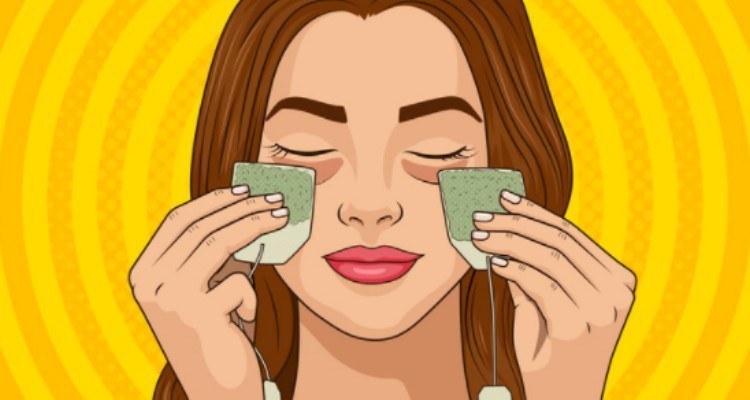
Tea Bags: The caffeine in the tea contains powerful antioxidants and may increase blood flow to your skin. It’s also said to protect against UV rays and potentially slow the aging process.

Cold compresses: Cooling the area lessens inflammation and swelling by reducing blood flow. You can place anything cold, such as an ice pack, frozen bag of vegetables, chilled cucumber slices or refrigerated spoons, over closed eyes for a few minutes.

Hemorrhoid creams: Some people pat over-the-counter creams designed for hemorrhoid treatment under their eyes. Product ingredients such as phenylephrine narrow blood vessels to reduce swelling. But use these products with caution: They may cause irritation in this sensitive area. Also, it’s important to keep this medication from getting in your eyes.

Use a Neti Pot: A neti pot is a device you fill with a saltwater (normal saline) solution. You place the spout in your nose and irrigate your sinuses, removing mucus and other debris.

Stay Hydrated: Dehydration can contribute to under-eye bags. Upping your water intake should help.

Take an Antihistamine: Allergies can cause puffy, dark circles under your eyes. You may also experience redness or watery, itchy eyes. This reaction is caused by your immune system’s response to something that irritates it, or allergens.

Use an Oil Free Eye Makeup Remover: Using oil based eye makeup removers can create film in the eye and swelling underneath the eye.

Sleep with Your Head Elevated: Elevating your head helps to prevent the pooling of fluid in your lower eyelids that creates puffiness while you sleep.

Of course, not smoking, reducing your salt intake, taking antioxidants, etc all help to improve that area around our eyes!

Under Eye Bags…Oh No!

One of our members asked what do I recommend for under eye bags.

Well, before you rush and go purchase some expensive eye care product with a million claims, it’s always important to look at the root cause.

WHY do we get bags under our eyes?

SLEEP ISSUES: When you sleep, fluids settle in the tissue beneath your eyes. Getting too little sleep can cause your blood vessels to leak and mix with those fluids, leading to dark circles.

ALLERGIES/SINUS PROBLEMS: In addition to stuffing up your nose, allergies cause swelling in sinus tissue, which can appear as puffiness under your eyes.

TOBACCO USE: The nicotine in tobacco disrupts your natural sleep patterns, which can cause fluids to collect beneath your eyes. Smoking also produces substances that break down the elasticity of the skin and the collagen that helps keep skin firm.

ALCOHOL USE: Although alcohol is a liquid, it dehydrates the body. When you are dehydrated, the skin under your eyes becomes flabby and weak, causing bags to form.

AGING: As you age, muscles and tissues weaken, and the fat that naturally supports the eyes can sink to the area beneath your eyes, making them appear swollen. Fluids can also collect in the area.

EATING SALTY FOODS: Your body retains fluid when you eat salty foods. One of the places these fluids collect is beneath your eyes.

NOT REMOVING MAKEUP: If you don’t remove makeup before going to sleep, it can irritate the tissue beneath your eyes, causing it to swell.

TOO MUCH SUN: Sun exposure can damage skin cells and the collagen that keeps the skin beneath your eyes firm.

HEREDITY: Some people are simply prone to having under-eye bags because it runs in the family. If your mom or dad had them, chances are you will too.

Tomorrow, we will look at some solutions for bags under our eyes!

ADVANTAGES OF CLEAN FLOORS

It goes without saying that clean floors make your home LOOK better, so that is a key reason why you clean your floors. Surprisingly, another big reason is to prevent injuries from tripping or slipping.

We have included a posting from “Wikipedia” to inform you of some others as well as best practices in floor-cleaning and the care of a variety of surfaces including wood, tile, carpet, and vinyl.

Returning to reasons, aside from beautifying your floors, the correct methods can remove stains, as well as surface dirt. Proper cleaning actually increases the life of your floors. Cleaning your floors the right way can kill allergens that can cause or exacerbate diseases like asthma.

Regular maintenance can help you avoid expensive professional cleaning or machine rentals or purchases. Household budgets are sensitive these days, so avoiding these expenses can obviously help.

The company with whom I am associated has recently developed a complete system for cleaning, dusting and polishing your floors easily and efficiently. Another advantage of proper cleaning is that cleaning your floors can burn 200 calories and the results will help you feel psychologically better. So, get to work. Your home will look good and you will feel good.

https://en.m.wikipedia.org/wiki/Floor_cleaning#Reasons_for_cleaning_floors

Are you at risk for cataracts?

The group, Prevent Blindness Vision Problems in the U.S., reports more than 22.3 million Americans have cataracts.

A cataract is a clouding of the eye’s lens, which blocks or changes the passage of light into the eye. The lens of the eye is located behind the pupil and the colored iris, and is normally transparent. The lens helps to focus images onto the retina—which transmits the images to the brain. When a cataract develops, your vision may become blurry or dim because the cataract stops light from properly passing through to your retina.

Cataracts are a leading cause of blindness among older adults in the United States. More than half of all Americans have cataracts by the time they are 80 years old. Cataracts can sometimes be found in young people or even newborns. The exact cause of a cataract is unknown. Most often, a cataract is part of the aging process—as you age, you are at a greater risk of developing a cataract.

There are several possible risk factors for cataracts, such as: 
• Intense heat or long-term exposure to UV rays from the sun
• Certain diseases, such as diabetes
• Inflammation in the eye
• Hereditary influences
• Events before birth, such as German measles in the mother
• Long-term steroid use
• Eye injuries
• Eye diseases and
• Smoking

The following problems may indicate that you have a cataract:
• You have blurred vision, double vision, ghost images, or the sense of a “film” over your eyes.
• Lights seem too dim for reading or close-up work, or you are “dazzled” by strong light.
• You change eyeglass prescriptions often and the change does not seem to help your vision.
• You may also be able to see the cataract in your eye. It may look like a milky or yellowish spot in your pupil.

Generally, a cataract does not cause pain, redness or tears. Cataracts are most likely caused by changes related to aging. Throughout our lives, our bodies replace old cells with new ones. As we grow older, the old cells in our eye’s lens build up and block light as it tries to pass through. The end result is cloudy vision.

The National Eye Institute recently sponsored the Age-Related Eye Disease Study 2 (AREDS2), which revealed that lutein and zeaxanthin supplementation reduced the risk of progression of AMD, one of the leading causes of blindness and visual impairment today.

They recommend it is best to take steps to slow down, if not prevent developing cataracts in your precious eyes. Preventing vision damage starts with replenishing the nutrients your eyes lose before it starts. Specialized supplements designed for eye health help safeguard your sight—naturally.

The eye supplement I use offers  superior vision support in high-glare and low-light conditions while promoting macula, retina, and lens health. I take just one softgel a day to helps maintain my visual acuity. After all, it’s never too late to protect your eyes!

PreventBlindness.org offers this Facts & Myths About Cataracts Fact Sheet to further explain cataracts.

.

Do you need to add vitamin D and calcium to your diet?

Because vitamin D helps your body absorb calcium, it plays a role in your bone health. Studies involving older adults have associated low vitamin D levels with an increased risk of falls and fractures. Another finding shows that at age 50, your kidneys may become less effective at metabolizing inactive vitamin D into its active form.

At age 70 and beyond, your body will produce about one-third less vitamin D through sun exposure than it did when you were 21. Plus melanin, which determines your skin pigmentation and protects your body from harmful ultraviolet radiation (UV),can also impair your skin’s ability to produce enough vitamin D from sunlight. Darker-skinned individuals may need up to 10 times more sun exposure to produce adequate vitamin D levels as compared to a person with lighter skin. Who knew?

Another good thing about getting adequate sun exposure is that your mood automatically elevates when you are in the sun, thanks to the brain hormone serotonin. Researchers examining the effects of vitamin D on the moods of 80 elderly patients found the ones with the lowest vitamin D levels were 11 times more likely to suffer from depression. So sunning daily and taking a vitamin D supplement can help ward off depression.

If you are obese, some experts recommend you increase your intake of vitamin D. Why? Because vitamin D is fat-soluble, when your fat cells uptake it, less is available for use elsewhere in your body.

Here is a list of vitamin D deficiency symptoms that most people ignore from Healthyway.com.

The optimal vitamin D level for general health ranges between 40 to 60 nanograms per milliliter (ng/ml). The ideal way to raise your vitamin D is by regularly and sensibly exposing large amounts of your skin, such as your arms, back, chest and legs, to sunshine. Getting outdoors at or around solar noon is the best time to soak up the sun. If for whatever reason you cannot get outdoors, or not frequently enough to receive sufficient UV exposure, consider taking an oral vitamin D3 supplement along with vitamin K2 and magnesium.

My company offers a wonderful K2-D3 supplement, offering the right balance of vitamins K2 and D3 is critical to regulating calcium and helping ensure you get optimal performance from this essential mineral.

Beauty Comes from the Inside

Shiny hair, robust nails, and bright skin can be signs of a great beauty regime…the things you do for the outside of your body. But as the article below from “The Healthy Food Guide” explains, your skin, hair, and nails are even more dependent on what’s going on INSIDE your body.

Your diet can be a huge determinant of the appearance of your skin, hair, and nails. The discussion from dietitian, Cindy Williams, speaks to the things that you can do to ensure that you are as beautiful as can be.

Be sure your diet includes plenty of protein (preferably lean) because our skin, hair, and nails are mostly protein. Essential fats are also part of internal health and beauty. Avoid the fats that are part of sugary snacks you may crave. The fats we refer to are essential Omega-3 and Omega-6 which occur in many seafoods. Eating fish, especially oily fish two or three times a week can help.

Foods high in iron not only will help maintain the cosmetic results you are seeking, it will bolster your energy levels, as well. Red meats are the best source of iron. If you avoid meats, you can get iron from legumes and whole grains, remember to assure proper absorption by supplementing with vitamin C.

Whole grains will add vitamin B (the skin vitamin) and the powerful antioxidant, vitamin E, will guard against dry skin. Nuts should also be part of your “beauty diet”. They provide additional essential fats. Nuts also offer a healthy alternative to higher calorie snacks and control your appetite.

Citrus for vitamin C, orange, yellow, red and green vegetables provide beta-carotene and vitamin A. Finally, hydrate with water and black, green and white tea to get the benefits of flavonoids which will help protect your skin from UV damage. 

I’m excited that the company I am associated with keeps its pulse on the consumer trends. They just developed an incredible supplement designed to target skin, hair, and nails. I plan on adding it to my daily supplements. Balance your dietary changes with healthy exercise and supplements that really work!

https://www.healthyfood.co.nz/articles/2008/june/8-steps-to-healthy-skin-hair-and-nails

Low Sodium Foods to promote heart health

Most people eat much more sodium (salt) than they need. This can lead to health problems like high blood pressure. To lower the amount of sodium in your diet, follow these tips when you go food shopping:

  • Choose fresh instead of processed foods when you can.
  • Use the Nutrition Facts label to check the amount of sodium. Look for foods with 5% Daily Value (DV) or less. A sodium content of 20% DV or more is high.
  • Look for foods labeled “low sodium,” “reduced sodium,” or “no salt added.”
To preserve your heart and keep pressure in check, get plenty of fruit and vegetables.
  • Any fresh fruits, like apples, oranges, or bananas
  • Any fresh vegetables, like spinach, carrots, or broccoli
  • Frozen vegetables without added sauce
  • Canned vegetables that are low in sodium or have no salt added
  • Low sodium vegetable juice
  • Frozen or dried fruit (unsweetened)
  • Canned fruit (packed in water or 100% juice, not syrup)
Breads, Cereals, and Grains

Compare labels to find products with less sodium. When you cook rice or pasta, don’t add salt.

  • Rice or pasta
  • Unsweetened oatmeal
  • Unsalted popcorn

Tip: If your food comes with a seasoning packet, use only part of the packet. This will lower the amount of sodium in the food.

Meats, Nuts, and Beans

Choose fresh meats when possible. Some fresh meat has added sodium, so always check the label.

  • Fish or shellfish
  • Chicken or turkey breast without skin
  • Lean cuts of beef or pork
  • Unsalted nuts and seeds
  • Dried peas and beans
  • Canned beans labeled “no salt added” or “low sodium”
  • Eggs
Dairy Products

Choose fat-free or low-fat milk and yogurt. Be sure to check the label on cheese, which can be high in sodium. Milk and yogurt are also good sources of potassium, which can help lower blood pressure.

  • Fat-free or low-fat (1%) milk
  • Fat-free or low-fat yogurt
  • Low- or reduced-sodium cheese (like natural Swiss cheese)
  • Soymilk with added calcium
Dressings, Oils, and Condiments

When you cook, use ingredients that are low in sodium or have no sodium at all.

  • Unsalted margarine and spreads (soft, tub, or liquid) with no trans fats
  • Vegetable oils (canola, olive, peanut, or sesame)
  • Sodium-free, light mayonnaise and salad dressing
  • Low-sodium or “no salt added” ketchup
  • Vinegar
Seasonings

Try these seasonings instead of salt to flavor your food.

  • Herbs, spices, or salt-free seasoning blends
  • Chopped vegetables, like garlic, onions, and peppers
  • Lemons and limes
  • Ginger