Aspirin tips

If you take an aspirin every day, it’s best to take it at night. The reason: aspirin has a “half-span” of 24 hours. So if most heart attacks happen in the morning, the aspirin in your body will be at its peak then.

Aspirins can last for many years in your small home pharmacy, but not really because as they get older they smell like vinegar.

Why keep aspirin on your bedside table?

Besides pain in the left arm, there are other symptoms that indicate a heart attack:

  • Intense pain in the chin and jaw 
  • Nausea 
  • Heavy sweating

Note: In a heart attack it is possible that you have NO chest pain.

If you ever wake up to intense chest pains…

  • Immediately swallow two aspirins with a little water
  • Call 911 and say “heart attack”! Also mention that you took two aspirin
  • Sit on a chair by the front door and wait for rescue

DO NOT LAY DOWN!”

Learn more about Aspirin Therapy here.

Heavy Metals and Heart Disease

Heavy metals like mercury, lead, and arsenic have been shown to increase blood pressure and raise the risk of heart disease. These metals can accumulate in your system over time, interfering with metabolic processes that support cardiovascular health.

How heavy metals affect your heart

  • Damages blood vessels
  • Increases oxidative stress leading to arterial plaque buildup
  • Increases blood pressure

How to reduce exposure

  • Filter drinking water using a system certified to remove heavy metals.
  • Limit consumption of high-mercury fish like king mackerel and swordfish.
  • Avoid lead-containing cookware and glassware.

Heavy metals can impact more areas than just the heart.

The Real Complications of Type II Diabetes 

A Type II Diabetes diagnosis opens the door for other serious diseases. It’s one of the ugliest diseases, but it can be reversed! One out of every three people is already Pre-Diabetic. It can affect your life in more ways than just diet. It’s something to take seriously!

Potential Complications

  • Heart and blood vessel disease. Diabetes is associated with an increased risk of heart disease, stroke, high blood pressure and narrowing of blood vessels, a condition called atherosclerosis.
  • Nerve damage in limbs. This condition is called neuropathy. High blood sugar over time can damage or destroy nerves. That may result in tingling, numbness, burning, pain or eventual loss of feeling that usually begins at the tips of the toes or fingers and gradually spreads upward.
  • Other nerve damage. Damage to nerves of the heart can contribute to irregular heart rhythms. Nerve damage in the digestive system can cause problems with nausea, vomiting, diarrhea or constipation. Nerve damage also may cause erectile dysfunction.
  • Kidney disease. Diabetes may lead to chronic kidney disease or end-stage kidney disease that can’t be reversed. That may require dialysis or a kidney transplant.
  • Eye damage. Diabetes increases the risk of serious eye diseases, such as cataracts and glaucoma, and may damage the blood vessels of the retina, potentially leading to blindness.
  • Skin conditions. Diabetes may raise the risk of some skin problems, including bacterial and fungal infections.
  • Slow healing. Left untreated, cuts and blisters can become serious infections, which may heal poorly. Severe damage might require toe, foot or leg amputation.
  • Hearing impairment. Hearing problems are more common in people with diabetes.
  • Sleep apnea. Obstructive sleep apnea is common in people living with Type II diabetes. Obesity may be the main contributing factor to both conditions.
  • Dementia. Type II diabetes seems to increase the risk of Alzheimer’s disease and other disorders that cause dementia. Poor control of blood sugar is linked to a more rapid decline in memory and other thinking skills.

Diabetes and It’s Many Friends 

Diabetes isn’t just about blood sugar levels 

Diabetes is a condition where the body doesn’t produce enough insulin or it doesn’t use insulin properly. This causes the blood sugars to become too high, known as hyperglycemia. 

Almost 10% of the population is diabetic, so there’s no wonder why pharmaceutical companies are marketing Ozempic, Mounjaro, Wegovey, etc in big ways. 

People with diabetes have a higher risk of developing serious complications including:

  • Heart Disease 
  • Kidney Disease 
  • Nerve Damage 
  • Dementia
  • Gum Disease 
  • Mood Disorders 
  • Eye Problems, including Blindness 

Type II Diabetes IS REVERSIBLE, but it takes effort. Even though it’s reversible, through diet, exercise and healthy life changes. Diabetes is a highly dangerous disease and it’s worth taking seriously. 

An Ounce of Prevention…

Prevention has always been my passion in sharing my wellness journey but I just had to learn how to share it.
Well, I’m sharing now since I lost nearly 100 pounds and my health markers are on point. I’ve been on this healthy prevention journey close to 20 years. Proof is in the blood and my health markers are remarkable. They are even better since I joined the R3 Challenge last June. Prior to 2004, I did nothing to improve my health I was pretty healthy overall. .My bloodwork was fine, so I had allergies and asthma, but they were under control.

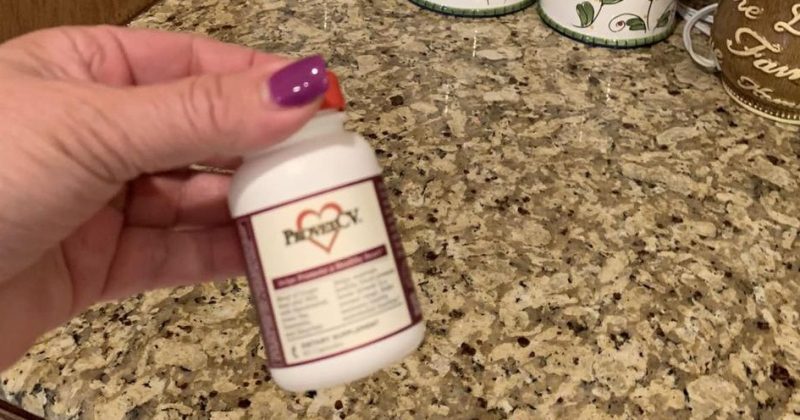
Some of you may know know that Dr. John Folts, BSEE, MS, PhD. Professor of Medicine and Nutritional Science, Director of Coronary Thrombosis Research and Vascular Biology at The University of Wisconsin in Madison, Wisconsin studied for forty-four years of what he called “fun research” in cardiology. He introduced Provex CV to my online shopping club years ago. Provex CV which is one of those life changing products that does a whole lot more than an “aspirin a day”.ProvexCV delivers a powerful and diverse dose of polyphenols for unparalleled antioxidant protection, optimal cardiovascular health, and a healthy immune response!

I Googled this below and thought of sharing it with those that are healthy now (me included):

“Seemingly healthy people are “suddenly” having heart attacks because, as it turns out, their arteries are not perfectly healthy and they don’t know it. With the proper noninvasive tests, these diseased arteries would have been identified, and the heart attacks wouldn’t have happened.”— April 22, 2019

I believe taking ProvexCV is what has kept my blood pressure at super healthy levels and my heart in good shape. I wouldn’t be without it!

High blood pressure: the hidden killer

High blood pressure is considered the “silent disease” and should not be taken lightly, nor should it be ignored.

In April 2012, a dear friend had a stroke. He was hospitalized, in ICU for a few weeks, had a tracheotomy and afterward his life was never the same. The stroke had caused brain damage leaving him unable to do many of the things he loved on his own.

On May 16, 2013, he died of Hypertensive and Arteriosclerotic Cardiovascular Disease.

He was 63 years old. According to WebMD, arteriosclerosis is “One of the most serious health problems related to untreated high blood pressure,” which is plaque build-up in the arteries.⠀

Are you aware of the changes in the American Heart Association and American College of Cardiology regarding blood pressure?

If your blood pressure is above 130/80, you are now considered to be at risk for HIGH blood pressure. Normal blood pressure is now considered 120/80 or lower, elevated is 120-129/80-89; stage one hypertension is now 130-139/80-89 and stage two hypertension is anything over 140/80.⠀

These changes will affect millions of people across America who will have to find ways to lower their blood pressure. Exercise is exceedingly important.

Now more than ever, it’s important to use the right supplements to help target these areas without the use of blood pressure medications and blood thinners.

My company manufactures a full line of heart healthy vitamins and supplements to help battle this in-going problem. I’m grateful for my company’s Peak Performance Pack, which has helped keep my numbers at optimal levels and is helping to reduce any risk of me developing heart disease.

It’s too late for my friend, but it’s not too late for me, and definitely not too late for you.

Keep Your Heart Healthy

Take steps today to lower your risk of heart disease. Heart disease is the leading cause of death for both men and women in the United States.

To help prevent heart disease, you can:

  • Eat healthy.
  • Get active.
  • Stay at a healthy weight.
  • Quit smoking and stay away from secondhand smoke.
  • Control your cholesterol (“koh-LEHS-tuh-rahl”) and blood pressure.
  • If you drink alcohol, drink only in moderation.
  • Manage stress.

Everyone is at risk for heart disease. But you are at higher risk for heart disease if you:

  • Have high cholesterol or high blood pressure
  • Smoke
  • Are overweight or obese
  • Don’t get enough physical activity
  • Don’t eat a healthy diet

Your age and family history also affect your risk for heart disease. Your risk is higher if:

  • You are a woman over age 55
  • You are a man over age 45
  • Your father or brother had heart disease before age 55
  • Your mother or sister had heart disease before age 65

But the good news is there’s a lot you can do to prevent heart disease. Throughout National Heart month we will be sharing healthy heart tips and stories.