Inter-independence

From the time that we were children, we were encouraged to learn and BE independent (self-reliant). As we move forward in our professional lives we may find that it doesn’t work as well as our parents intended.

You may want to explore some alternatives that actually make your search for business success and satisfaction more efficient and effective. Inter-independence is the combination of being independent while also being interdependent. The new economy, as the below article from “Authentic Organizations”, is discussed in some detail.

Even if you only examine the contemporary phenomenon of social media, you will find that we always depend on others and their input and information. It is a matter of the “you” and the “me” are becoming less important and the “we” is becoming the emphasis. In order to achieve your goals more effectively, it becomes more important to work WITH each other and HELP each other.

The company I’m associated with regards the dimension of helping others as so important it has incorporated it into its’ mission statement. In today’s new economy, even for a small business, independence is a myth and self-reliance is a bad strategy. I am an “independent businessperson”, but I am totally reliant on other independent business people with whom I work doing their job so that I can achieve my goals.

http://authenticorganizations.com/harquail/2012/06/15/self-reliance-versus-interdependence-in-the-boost-economy/#sthash.phsOMvIF.dpb

Do you Get Enough Calcium?

Since you were a kid, your mom has been telling you, “Drink your milk. You need the calcium.”  It’s true. You need calcium for strong bones and teeth.

Everyone needs calcium, but it’s especially important for women and girls. Many people, including most women, don’t get enough calcium.

  • Calcium is essential for optimal bone health
  • Calcium helps with proper muscle contraction
  • Calcium is critical to nerve function

Calcium can help prevent Osteoporosis, which makes your bones fragile and more likely to break. Some people don’t know they have it until they break a bone. One in 3 women and 1 in 5 men over the age of 50 will break a bone because of osteoporosis. Calcium helps to keep your bones strong and less likely to break.

Protect your bones – get plenty of calcium every day.
Women:
  • If you are age 19 to 50, get 1,000 mg (milligrams) of calcium every day.
  • If you are age 51 or older, get 1,200 mg of calcium every day.
Men:
  • If you are ages 19 to 70, get 1,000 mg of calcium every day.
  • If you are age 71 or older, get 1,200 mg of calcium every day.
Kids:
  • Kids ages 9 to 18 need 1,300 mg of calcium every day.
How can you get enough calcium?

There are 2 easy ways to get your calcium.

1. Eat foods with calcium every day.

But, did you know milk is not the only source of calcium? Calcium is also found in vegetables like kale, most nuts and in the following foods:

  • Fat-free or low-fat (1%) milk, yogurt, and cheese
  • Soymilk with added calcium
  • Broccoli and dark green leafy vegetables
  • Tofu with added calcium
  • Orange juice with added calcium

For more ideas, check out this list of foods that are high in calcium.

2. Take a calcium pill every day.

You can take a multivitamin or a pill that has calcium. We like Vitality Calcium Complete. It contains four sources of calcium for timed release replenishment plus magnesium and Vitamin D to help maintain healthy bones and teeth. Plus, it’s powered by Oligo® for maximum mineral absorption.

Recent studies have shown that the benefits of calcium and Vitamin D extend far beyond strong teeth and bones. Vitality Calcium Complete goes above and beyond “daily minimum values” to deliver the optimal amounts of minerals from the best possible sources. Calcium is essential to optimal bone health as well as the proper function of the heart and nerves. But without Vitamin D3, calcium is very difficult for the body to absorb. Absorption isn’t the only difficulty. Once it’s in the body, calcium can remain in the bloodstream unless there is enough vitamin K2 to direct it to your bones and teeth for proper storage. To maximize the benefits of Vitality Calcium Complete, we pair it with Vitamins K2-D3.

Talk to your doctor before you start taking extra calcium.

Check food labels.

nutrition label highlighting percent daily value of calciumThe Daily Value (DV) on a food label tells you the amount of a nutrient (like calcium) that’s in a serving of the food. Foods that have at least 20% DV of calcium are excellent choices. Foods with at least 10% DV of calcium are good, too.

For example:

  • A cup of fat-free milk has about 300 mg of calcium, or 30% DV.
  • Some kinds of breakfast cereal have 600 mg of calcium per serving, or 60% DV.
If you take a calcium pill, make it easy to remember.
  • Take it at the same time every day. For example, take it when you brush your teeth before bed.
  • Leave the pill bottle out where you will see it, like on the kitchen counter or by the bathroom sink.
Get enough vitamin D.

Vitamin D helps your body absorb (take in) calcium. Your body makes vitamin D when you are out in the sun. You can also get vitamin D from:

  • Salmon and tuna
  • Milk with added vitamin D
  • Some breakfast cereals, yogurt, and juices with added vitamin D
  • Mushrooms
  • Vitamin D pills

Talk to your doctor before taking vitamin D pills.

Eat healthy.

Along with eating foods high in calcium or taking a calcium pill, it’s important to eat other healthy foods– like vegetables, fruits, whole grains, and foods with protein.

Do you get enough Folic Acid?

 Women of childbearing age (typically ages 11 to 49) need 400 to 800 micrograms (mcg) of folic acid every day. Folic acid is found in vitamins and foods like breakfast cereal or bread that have folic acid added.

Everyone needs folic acid, but it’s especially important for women who are pregnant or who may become pregnant. Folic acid is a vitamin that can prevent birth defects. If you are pregnant or breastfeeding, your doctor can help you figure out how much folic acid is right for you. You may need more than 400 mcg folic acid if you have a health condition or are taking certain medicines.

Getting enough folic acid is important even when you aren’t planning to get pregnant. It’s needed during the first few weeks of pregnancy, often before a woman knows she’s pregnant.

How can I get enough folic acid?
Getting enough folic acid every day is easy. You can eat foods like breakfast cereal or bread that have folic acid added. Or you can take a vitamin with folic acid.

Look for breakfast cereal with folic acid.
Check the Nutrition Facts label on the side of the box to see how much folic acid the cereal has. Choose cereal that has 100% DV (Daily Value) of folic acid.

Take a vitamin with folic acid.
You can take a multivitamin or a small pill that has only folic acid. Vitamins and folic acid pills can be found at most pharmacies and grocery stores. We like Vitality Multivitamin and Mineral—it’s formulated with 24 essential nutrients and 200% DV. It comes in formulations for women, men, prenatal and 50+.

 It’s easy to get the folic acid you need. Just eat a bowl of cereal with 100% DV of folic acid – or take a vitamin – every day.

Check the label.
nutrition label with folic acid highlightedWhen you are at the grocery store, look for foods with folic acid in them. Choose cereal that has 100% DV of folic acid.

Folic acid is also in foods like enriched breads, pastas, and other foods made with grains. Check the Nutrition Facts label.

If you buy vitamins, be sure to check the label for folic acid. This label shows a vitamin with 100% DV of folic acid.


If you take a vitamin, make it easy to remember.

  • Take it at the same time every day. For example, take it when you brush your teeth in the morning or when you eat breakfast.
  • Leave the vitamin bottle somewhere you will notice it every day, like on the kitchen counter.

Eat healthy.
Eating healthy means getting plenty of vegetables, fruits, whole grains, and foods with protein. A healthy diet also includes foods with folate (a different type of folic acid).

In addition to eating cereal that has 100% DV of folic acid or taking a vitamin, it’s important for women to eat foods with folate, such as:

  • Spinach and other leafy greens
  • Asparagus
  • Oranges and orange juice
  • Beans and peas
Table 2: Selected Food Sources of Folate and Folic Acid [7]
Food mcg DFE
per serving
Percent DV*
Beef liver, braised, 3 ounces 215 54
Spinach, boiled, ½ cup 131 33
Black-eyed peas (cowpeas), boiled, ½ cup 105 26
Breakfast cereals, fortified with 25% of the DV† 100 25
Rice, white, medium-grain, cooked, ½ cup† 90 23
Asparagus, boiled, 4 spears 89 22
Spaghetti, cooked, enriched, ½ cup† 83 21
Brussels sprouts, frozen, boiled, ½ cup 78 20
Lettuce, romaine, shredded, 1 cup 64 16
Avocado, raw, sliced, ½ cup 59 15
Spinach, raw, 1 cup 58 15
Broccoli, chopped, frozen, cooked, ½ cup 52 13
Mustard greens, chopped, frozen, boiled, ½ cup 52 13
Green peas, frozen, boiled, ½ cup 47 12
Kidney beans, canned, ½ cup 46 12
Bread, white, 1 slice† 43 11
Peanuts, dry roasted, 1 ounce 41 10
Wheat germ, 2 tablespoons 40 10
Tomato juice, canned, ¾ cup 36 9
Crab, Dungeness, 3 ounces 36 9
Orange juice, ¾ cup 35 9
Turnip greens, frozen, boiled, ½ cup 32 8
Orange, fresh, 1 small 29 7
Papaya, raw, cubed, ½ cup 27 7
Banana, 1 medium 24 6
Yeast, baker’s, ¼ teaspoon 23 6
Egg, whole, hard-boiled, 1 large 22 6
Vegetarian baked beans, canned, ½ cup 15 4
Cantaloupe, raw, 1 wedge 14 4
Fish, halibut, cooked, 3 ounces 12 3
Milk, 1% fat, 1 cup 12 3
Ground beef, 85% lean, cooked, 3 ounces 7 2
Chicken breast, roasted, ½ breast 3 1
* DV = Daily Value. The FDA developed DVs to help consumers compare the nutrient contents of products within the context of a total diet. The DV for folate is 400 mcg for adults and children aged 4 and older. However, the FDA does not require food labels to list folate content unless a food has been fortified with this nutrient. Foods providing 20% or more of the DV are considered to be high sources of a nutrient.
† Fortified with folic acid as part of the folate fortification program.

Check out this list of foods with folate.

Growth In E-Commerce Fuels Sam’s Closings

Shifts in purchasing from “brick and mortar” to e-commerce are undeniable, as the below article from Business Insider articulates. E-commerce sales are up by 15.5% from just a year ago. It predicts it will continue to take market share in the future.

This also factors in certain purchases that are not conducive to online purchase for various reasons. Those “resistant” sectors make up about 54% of total retail sales, so, for now, the growth of e-commerce is based on about 46% of available markets of conquest.

The resistant sectors include: new and used vehicle sales 21% (searching and pricing do not include purchasing), grocery and beverage purchases 12.6% (although some chains are taking a second pass at converting this sector with improved logistics methodology), gasoline sales 8%, and restaurant and bar purchases 12%.

Recently, it was announced that Sam’s Club, a division of Walmart, has made the decision to close 63 of its sales locations. It will convert about a dozen of those locations into—yes, you guessed it—internet sales warehouses, the USA Today inclusion below will give you the details.

It certainly looks like we can look forward to more closings of brick and mortar operations as we move into the future because of additional penetration. Although this process will be slow, it will be further fueled by retailers figuring out ways (and they will) to convert those “resistant” markets, over time.

What all this indicates is that businesses are finally catching up to the forward thinkers of the world. The company I purchase from started over 30-years ago with an e-commerce philosophy and is now one of the largest in the world with over $2 billion in annual revenue. Forward thinkers with amazing products and shopping options…just a few of the many reasons I love shopping there!

www.businessinsider.com/nothing-can-stop-the-shift-to-online-shopping-2017-11

www.usatoday.com/story/money/2018/01/11/sams-club-closing-dozens-stores-reports-say/1024986001/

Appointment Setters Wanted

My company is in need of ambitious, computer-savvy people available to work from home. This opportunity is only available to people in the USA or Canada who have a computer or smart phone. Startup extremely inexpensive.  Monthly pay for serious workers!

← Back

Thank you for your response. ✨

I am an entrepreneur.⠀

For some, hearing this word sparks many different thoughts, feelings or emotions.
As an entrepreneur, we endure quite a few things. Some good, many not so good.

All we ask is that you be nice to entrepreneurs. We are out there creating and building something for our families. Not all of us are money-hungry ogres. Use your judgment. We’re working hard, love what we do and are sharing it with others.⠀Just like any other career choice, entrepreneurship requires us to do the work, put in the effort and show up. Most times more work and effort than other positions.⠀

This is a very EMOTIONAL field. How? Well, We will deal with many types of people who will do their best to derail our success. Sometimes unintentional, yet often intentional. People will be rude, disrespectful of our time, and can be unsupportive.⠀

We are required to put in hours at various times of the day. We go to bed in the wee hours of the morning and wake up a few hours later. We often work during holidays, sacrifice family functions, vacations, outings and milestones. Most of the time, we realize the sacrifices are temporary and must be made to achieve our long-term goals.⠀

We are continually tested. We have many days we want to quit and go back to what seems like the “norm”, but we soldier on.⠀

This path isn’t for everyone. Many  quit even before they start. You have to ask yourself if the time, effort, sacrifice is really worth it? For many, the answer is no. For the select few, the answer every time is YES!!!⠀

At the end of the day, you have a choice – build your future or work for someone else and help them build theirs.⠀

The choice is ours.

Sensitive Teeth

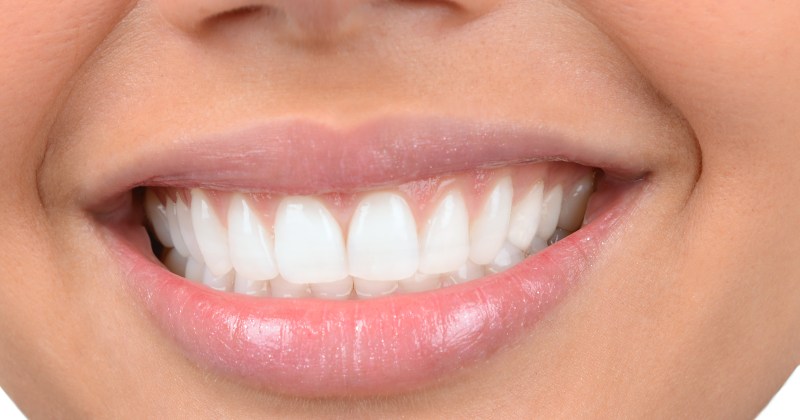
Particularly as we age, we can be victims of tooth sensitivity. Hot drinks, cold drinks, acidic foods, and sticky foods can trigger the sometimes-unbearable pain that is caused by sensitivity of one or more of your teeth.

It is caused by the wearing or cracking of the tooth enamel and another substance called cementum, can wear out with time and aggressive brushing. The enamel and cementum gone, the dentin is exposed in the tooth allowing the nerves to be affected by the food and drink mentioned above. The attached article from the American Dental Association explains the causes and suggests some treatment to alleviate the painful condition.

One suggestion the article offers is using a toothpaste or polish that is specifically manufactured to ease these sensitivities. I am associated with a company that offers the most effective sensitive tooth polish that I have ever used. It works to relieve much of the discomfort. It is not only a source of relief, but it polishes and whitens teeth like no other I have tried.

Central Body Fat

Fat, no matter where it is in your body, is not something that any of us desire. We diet. We exercise. It doesn’t seem to go anywhere. There are essentially two types of fat: Subcutaneous fat, the fat that can collect anywhere on the body. It is the “soft”, “pinchable” fat and visceral fat that is hard and usually appears as central body fat (right at the belly-line).

While there are indeed dangers to subcutaneous fat, it does not present the same level or volume of risk that visceral fat does. This article from Dr. Axe’ Food Is Medicine, focuses on the dangers of visceral fat, why it is so risky and the things you can do to get rid of it.

In general, what makes visceral fat so dangerous is that it collects around the organs. Certain types of body fat are really inflammatory diseases of their own. Visceral fat is excess intra-abdominal adipose tissue accumulation. It is deep fat that is stored deep under the skin, deeper than subcutaneous fat.

As this article clarifies, visceral fat is linked to many diseases, like cancer and coronary disease. It is by itself toxic and provokes the inflammatory pathways. It develops when communication between the brain and other major organs (the brain/body connection) begin to break down at its’ core are your blood sugar levels.

Increased inflammation, higher diabetes risk, difficulty in losing weight in general, higher risks of heart disease and stroke, dementia, depression and mood swings are just some of the consequences of excess visceral fat. The causes are overwhelmingly increased glucose in our bloodstreams. Controlling glucose is, therefore, the key to avoiding those consequences.

I take a supplement each day that controls the spikes in insulin and therefore the glucose that produces these and other problems. My company has developed and manufactures many high quality and affordable products that have helped me make the kind of adjustments in my lifestyle to keep it healthy and high energy.

Let’s Connect..

Barbara Hay
732.233.6541
hayseeds@me.com
My Website

Do you suffer from dry scalp?

Dry scalp is a great nuisance but it does not have to be dandruff. As the below bulletin describes, there are many causes of dry scalp, they mainly are caused by scalp infections.

There are a plethora of natural remedies for dry scalp. One of the most effective is the addition of tea tree oil to your shampooing regime. Combinations of other essential oils to the tea tree can also add to the effectiveness.

There are other natural ingredients that can be homogenized to be effective treatments as well. You may find most of them obscure, messier and more complicated than the essential oil treatment.

To prevent the occurrence of dry scalp before it happens, there are dietary alternatives that include more leafy green vegetables; fruits, eggs, and whole grains will help bolster the protein in your hair and scalp. Omega-3 is also helpful as are foods that are rich in vitamin A, B, C, zinc, and iron.

Always check the ingredients in your shampoo and conditioner to make sure they do not contain sulfates and parabens. Stay hydrated and use a hair dryer as little as possible. Massage your scalp with natural oils a few times a week.

Finally, try using a shampoo that contains tea tree oil and other nutrients that protect your hair and scalp to keep them healthy. 

homeremediesforlife.com/dry-scalp/


Let’s Connect..

Barbara Hay
732.233.6541

Is it a cold or the flu?

‘Tis the season for runny noses, itchy eyes, fever, and headaches. You have the flu…or is it a cold? It can be confusing. The bulletin linked below from Prevention Magazine can help you differentiate.

The flu hits you quickly and dramatically. You will often run a fever above 101F; it is accompanied by body aches and fatigue. You may have some other symptoms that “mock” the common cold, but you should seek treatment from your doctor within 48 hours of the onset.

Your cold symptoms are most commonly above the neck, but the common cold is not only caused by the rhinovirus but by any of two hundred other viruses. It is most effectively treated with over the counter “symptom-relievers”. You must be careful, however, not to mix multiple products, which can cause toxification.

Your flu, if that is your diagnosis, is most effectively treated by a physician prescribed anti-viral medication, but as I said earlier, it should come within 48 hours of your symptoms presenting themselves.

The best defense is an offense in the form of a healthy diet, adequate hydration and exercise. Naturally, avoid environments that may expose you to unreasonable risks of infection. You may also want to consider a regime of preventive supplements. My company develops and manufactures a full line of the purest, highest quality preventatives available. Take special care during the holidays and the winter and stay healthy.

https://www.prevention.com/health/health-concerns/difference-between-cold-and-flu