A genetic kill switch to destroys cancer cells?

Scientists say they’ve found a molecular kill switch that when activated destroys cancer cells. According to new research, microRNA can be used to send cancerous cells a self-destruct message which they cannot ignore. By incorporating this mechanism into a new treatment, it could be possible to rid the body of cancer without having to go through the pain of chemotherapy.

Cells are always created and destroyed in the human body. About 300 million cells die every minute in our bodies and are replaced with new ones. This is to protect the body against potentially malfunctioned aging cells or diseased cells. The problem is that cancer cells can survive because they have the ability to ignore the immune system’s self-destruct instructions. But that doesn’t necessarily mean that there’s no way to relay this message to cancer cells.

Previously, researchers at Northwestern University described a mechanism by which every cell in the body can be programmed for destruction. Now, the same research team has reported that they’ve managed to crack the ‘code’ required to initiate this sequence.

Writing in the journal Nature Communications, the authors reported that the instructions of cell death are available as information in ribonucleic acid (RNA) and in microRNAs. Specifically, they used small-interfering (si)RNAs to trigger toxicity in cancer cells, a process normally activated by chemotherapy. Before they arrived at the winning formula consisting of six nucleotides (6mers) present in small RNAs, the researchers tested 4,096 different combinations of nucleotide bases.

The molecules used in the study put stress on several genes in cancerous cells, initiating the self-destruct sequence for four tested human and mouse cell lines. Because the molecules simultaneously destroy multiple genes that the cells need to survive, the cancer is unable to develop resistance.

In 2018, an estimated 1,735,350 new cases of cancer were diagnosed in the United States and 609,640 people succumbed to the disease. The most common cancers are breast cancer, lung and bronchus cancer, prostate cancer, colon and rectum cancer, melanoma of the skin, bladder cancer, non-Hodgkin lymphoma, kidney and renal pelvis cancer, endometrial cancer, leukemia, pancreatic cancer, thyroid cancer, and liver cancer.

To treat cancer, doctors usually turn to chemotherapy with one or more cytotoxic antineoplastic drugs. The problem with chemotherapy is that it leads to horrible side effects because it also damages healthy cells.  

By incorporating the molecular messengers identified by the new study into a new therapy, researchers hope to rid patients of cancers without having to deal with chemo’s debilitating side effects. It may take many years before this happens, but the promising results suggest that one-day cancer could be treated safely. 

Diet or Medicine?

Lose a pound lose some pressure

Fake Amazon reviews draw fraud charges in groundbreaking FTC case

A supplement company paid a third-party website to write misleading reviews about a weight-loss drug

The US Federal Trade Commission has successfully brought the first ever case against using fraudulent, paid Amazon reviews to falsely advertise an online product, the agency announced Tuesday evening. The company in question, named Cure Encapsulations, Inc. and owned by Naftula Jacobowitz, paid a third-party website to write five-star Amazon reviews for a weight-loss supplement called garcinia cambogia. The plant, native to Indonesia, is widely mischaracterized as contributing to weight loss, but is in fact known to cause acute liver failure.

Cure Encapsulations paid a website called amazonverifiedreviews.com to keep the product’s Amazon rating above 4.3 out of 5 stars, with reviews stating that the supplement worked as a “powerful appetite suppressant” and “literally blocks fat from forming.” The FTC found those claims to be false and unsubstantiated.

“People rely on reviews when they’re shopping online,” Andrew Smith, the FTC’s director of consumer protection, said in a statement. “When a company buys fake reviews to inflate its Amazon ratings, it hurts both shoppers and companies that play by the rules.” The FTC first filed its complaint on February 19th, and reached a settlement in just under a WEEK.

As part of the settlement, Cure Encapsulations has agreed to never again make a “weight-loss, appetite-suppression, fat-blocking, or disease-treatment claims for any dietary supplement, food, or drug” unless the company has “competent and reliable scientific evidence in the form of human clinical testing” to support its claims. The settlement also prohibits the company from misrepresenting endorsements, including whether a review or testimonial is from a real customer who purchased the product.

Cure Encapsulations must now inform Amazon that it paid for reviews, itself a violation of Amazon’s rules around promotional content, and must also notify all customers who purchased the weight-loss supplement. To keep the company in line, the FTC is imposing a $12.8 million fine, with only $50,000 due today and the remainder used as a way to enforce the judgement and in the event Cure Encapsulations misrepresents how much money it has on hand.

Amazon, in a statement given to The Verge, said its pleased the FTC is taking action. “We welcome the FTC’s work in this area. Amazon invests significant resources to protect the integrity of reviews in our store because we know customers value the insights and experiences shared by fellow shoppers,” a company spokesperson said. “Even one inauthentic review is one too many. We have clear participation guidelines for both reviewers and selling partners and we suspend, ban, and take legal action on those who violate our policies.”

Fake Amazon reviews have been known as a problem for years, but regulators have shown little interest in cracking down on the practice until this recent suit. That’s pushed Amazon to go after the review sellers themselves, including filing individual lawsuits against sellers on freelance job sites like Fiverr. Yet the FTC’s latest action sets a firm precedent that the agency is willing to go after companies that abuse online markets and platforms like this. It’s not clear whether the agency has the resources to curb the behavior behind some of the biggest bad actors on sites like Amazon, but the settlement sends a message that companies like this can’t rely on the trusted veneer of these marketplaces to excuse false advertising.

The FTC has shown a growing interest in abusive practices in the tech industry in recent months, far beyond the low-level scams of fake Amazon reviewers. Earlier today, the FTC announced it would be forming a task force with 17 staff attorneys to monitor and take action against anti-competitive behavior in US technology markets. The task force appears focused on the increasingly centralized power of a few Silicon Valley giants like Google and Facebook.


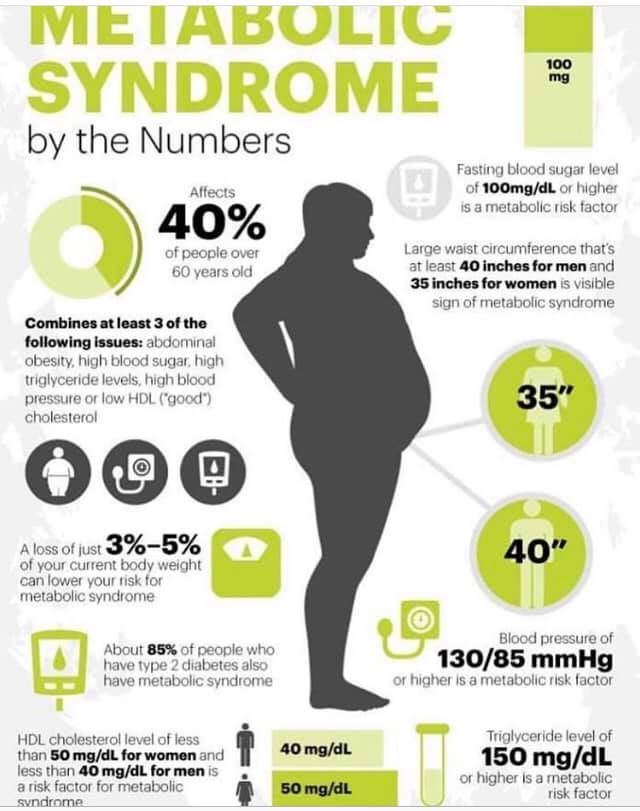
Do you have Metabolic Syndrome?

Wow! Sniffing Rosemary Can Improve Memory

The herb rosemary has been hailed since ancient times for its medicinal properties. Rosemary essential oil, derived from the common cooking herb, has long been popular in folk medicine and is now proving beneficial in scientific studies.Rosemary was traditionally used to help alleviate muscle pain, improve memory, boost the immune and circulatory system, and promote hair growth.

Some studies have found that exposure to chemicals and radiation can increase risk of breast cancer. While the link is not completely understood, a growing body of evidence suggests that chemicals in the environment play a role in altering our biological processes. So it’s helpful to know which carcinogens—chemicals that directly cause cancer—you may be encountering on a daily basis.

Rosemary is one of the oldest known medicinal herbs. A fragrant evergreen herb, it is native to the Mediterranean and a member of the mint family, Lamiaceae, along with many other herbs, such as oregano, thyme, basil, and lavender. It is typically prepared as a whole dried herb or a dried powdered extract, while teas and liquid extracts are made from fresh or dried leaves. It is used as a culinary condiment, to make bodily perfumes, and for its potential health benefits.

It has innumerable uses in both the kitchen and in herbal medicine. The herb not only tastes good in culinary dishes, such as rosemary chicken and lamb, but it is also a good source of iron, calcium, and vitamin B-6. Both the leaves and flowers of rosemary have been used medicinally for thousands of years to improve memory.

Rosemary protects the brain (and your memory) in a variety of ways to minimize damage and slow down the rate of brain cell aging. It increases blood flow to the brain, which in turn supplies the brain with more oxygen and nutrients.

Rosemary contains carnosic acid, which fights off free radical damage to the brain as well as natural acids that help protect the body’s cells and DNA from free radical damage. The compounds in rosemary are said to prevent the breakdown of acetylcholine—a chemical that induces the brain cells responsible for memory and reasoning to communicate with one another. Some studies in rats have identified that rosemary might be useful for people who have experienced a stroke. Rosemary appears to be protective against brain damage and might improve recovery.

Rosemary to Enhance Your Memory

According to research outlined in Therapeutic Advances in Psychopharmacology, the aroma from rosemary can improve a person’s concentration, performance, speed, and accuracy and, to a lesser extent, their mood. There are several ways to start boosting memory with rosemary. One easy way is to place three to four drops of rosemary essential oil on a tissue and enjoy as the smell wafts through the air.

A study conducted on rosemary where groups of people were given rosemary essential oil. A total of 66 people participated in the study. They were randomly assigned to two rooms, one scented with rosemary and the other unscented. The results were remarkable: in the group of people in the rosemary-scented room memory was 60 – 75% better when compared to the people who were in the unscented room!

When nursing students breathed rosemary oil from an inhaler before and during test time, their pulse decreased by about 9% — while no significant change occurred without rosemary oil.

Antioxidants and anti-inflammatory compounds

Preliminary evidence suggests that rosemary oil may help reduce tissue inflammation that can lead to swelling, pain and stiffness. Laboratory studies have shown Rosemary is a rich source of antioxidants and anti-inflammatory compounds, which are thought to help boost the immune system and improve blood circulation. It may do so by stemming the migration of white blood cells to injured tissues to release inflammatory chemicals. Adding the herb to food and/or diffusing the essential oil can play an important role in neutralizing harmful particles called free radicals., reducing anti-inflammatory effects and enhance Arthritis treatment.

Rheumatoid arthritis is an autoimmune condition in which your body’s own immune system attacks tissues, such as knees and other joints, injuring the joint lining and causing inflammatio. When people with rheumatoid arthritis were given 15-minute knee massages using a rosemary oil blend three times weekly, they had a 50% decrease in inflammatory knee pain in two weeks, compared to a 12% decrease in those not given the oil.

In a two-week study, stroke survivors with shoulder pain who received a rosemary oil blend with acupressure for 20 minutes twice daily experienced a 30% reduction in pain. Those who received only acupressure had a 15% reduction in pain

Stress reduction

Many factors can cause stress —inhaling rosemary oil may help reduce anxiety. When 22 young adults sniffed rosemary oil for five minutes, their saliva had 23% lower levels of the stress hormone cortisol compared to those who smelled a non-aromatic compound. Because increased pulse rates reflect short-term stress and anxiety, rosemary oil may naturally reduce stress.

Increase Circulation

Poor circulation is a common complaint. You may notice it most in your hands and feet. If you experience cold fingers and toes — even in relatively warm temperatures — rosemary oil is worth considering.

If you have Raynaud’s disease, blood vessels in your fingers and toes constrict when you’re cold or stressed, causing them to lose their color and turn cold. Rosemary oil may help by expanding your blood vessels, thereby warming your blood so that it reaches your fingers and toes more easily.

In one study, a woman with Raynaud’s disease massaged her hands with a rosemary oil blend, finding that it helped warm her fingers more than a neutral oil. These effects were confirmed by thermal imaging. More research is needed to confirm these effects — but rosemary may prove a worthwhile, low-cost experiment.

May Help Perk You Up

Some studies suggest that rosemary oil may boost attention, alertness, energy and mood. Rosemary oil is commonly used for mental strain and fatigue in folk medicine.

When 20 healthy young adults inhaled rosemary oil, they reported feeling about 30% more mentally refreshed and about 25% less drowsy compared to smelling a placebo oil. This increase in alertness corresponded to changes in brain waves and increases in heart rate, breathing and blood pressure.

Applying diluted rosemary oil to your skin may provide similar benefits, as it can reach your brain via this route. In one study, applying diluted rosemary oil to the skin caused 35 healthy people to feel significantly more attentive, alert, energetic and cheerful after 20 minutes than when using a placebo oil.

Liver and digestive health

Rosemary is often used to soothe the stomach and relieve pain from indigestion and even menstrual cramps. Animal studies indicate that rosemary oil may stimulate the release of bile, which is important in fat digestion, and activate your own antioxidant defense mechanisms to protect your liver.

Rosemary oil can help inhibit the growth of certain strains of bacteria that cause food poisoning. This requires using precise, very small amounts of food-grade oil. Don’t experiment with this at home

Administering rosemary oil orally is not recommended. Essential oils should not be swallowed.

Rosemary Essential Oil is easy to use

Rosemary oil can be inhaled or applied topically. It’s very concentrated, so you should only use a few drops at a time.

Although some manufacturers claim it’s safe to swallow or consume their essential oils, there isn’t scientific evidence supporting this — especially over the long term. Essential oils should never be swallowed.

Inhaling rosemary oil

The simplest way to inhale rosemary oil is to open the bottle and breathe in. Alternately, you can place a few drops on a cloth or tissue and hold it near your face.

I like to use an aromatherapy diffuser, which distributes the essential oil into the surrounding air.

In general, avoid placing a diffuser close to babies or young children, as it’s hard to know the amount they’re inhaling.

Topical Use of rosemary oil

Rosemary and other essential oils are readily absorbed into your bloodstream when you apply them to your skin. It’s generally advised to dilute essential oils with a neutral carrier oil, such as jojoba oil, almond oil, or my favorite fractionated coconut oil. This helps prevent potential irritation of your skin and premature evaporation of the oil.

General guidelines for diluting oils for topical use:

Dilution Preparation
Babies0.3%Use 1 drop essential oil per
1 tablespoon carrier oil
Children1.0%Use 1 drop essential oil per
1 teaspoon carrier oil
Adults2.0–4.0%Use 3–6 drops essential oil
per 1 teaspoon carrier oil

Once diluted, apply the oil to the bottom of your feet or the body part you’re targeting, such as a sore muscle. Next, rub the oil into your skin. This improves blood flood and absorption of the oil. Avoid applying rosemary and other essential oils to damaged skin or near sensitive areas, such as your eyes.

You can inhale rosemary oil or apply it to your skin. A diffuser can help distribute the essential oil in a room. If using rosemary oil topically, dilute it with a carrier oil, to avoid skin irritation. It’s generally advised to avoid rosemary oil if you’re pregnant or have epilepsy or high blood pressure. Rosemary oil may worsen the latter two conditions

If you want to try rosemary oil, simply inhale it or apply a diluted version topically. Remember that the oil is very concentrated, so you only need a few drops at a time.


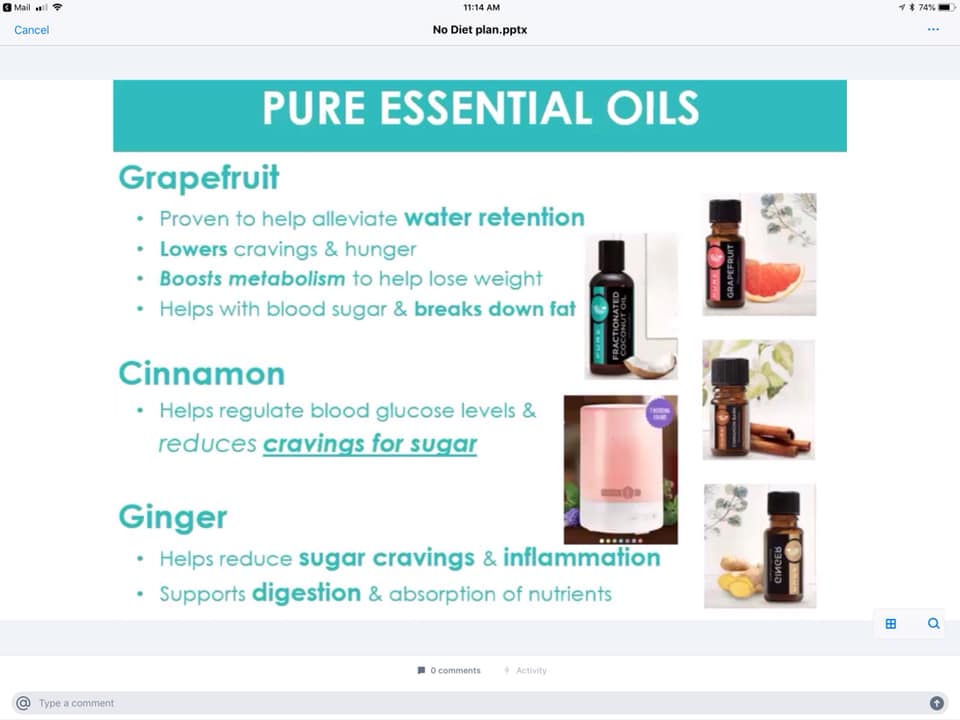
Today is brought to you by grapefruit, cinnamon and ginger

Essential oils that is!

A stellar supplement

Do you know I take a stellar supplement every day. I love how good ProVex CV makes me feel like I’m doing myself good. I’m not the only one who thinks it’s a stellar supplement. The brand of supplements I use have it as a staple in almost every Peak Performance Pack they manufacture.

What Makes It Different?
ProvexCV® is a patented formula that combines the antioxidant power of premium grape seeds with an exclusive blend of resveratrol, quercetin, green tea extract, and bromelain.*
Grape seed/skin extract: natural extract associated with helping support healthy blood pressure levels for individuals with already normal blood pressure.
Quercetin: a flavonoid present in onions and apples, quercetin is a powerful antioxidant that has been shown to promote healthy blood pressure levels, already in the normal range.
Green tea extract: extract containing the cetechin EGCG, which is associated helping support endothelial function.

ProvexCV® nourishes blood vessels and promotes healthy blood pressure levels already at normal ranges. I know it seems to have helped me with my asthma and I’ve had fewer asthma attacks since I started taking it. It’s something I know that I don’t want to be without!

Caution–If you are pregnant or lactating, or if you are under a doctor’s care for a heart-related condition, seek the advice of our physician before using this product. Consult with your physician before using this product if you are taking any medications, including asprin, NSAIDS, or anticoagulants such as warfarin and heparin.

April 4 is Vitamin C Day

So why do we “celebrate” Vitamin C day on April 4th? Well, according to the American Institute of Nutrition, it goes all the way back to 1932, when Vitamin C was isolated and identified.

The all-important vitamin helps heal wounds, acts as an antioxidant, can help delay or prevent developing  diseases like cancer or cardiovascular disease, and is good for your immune system (to name a few perks).  Citrus fruits, tomatoes, and potatoes are a high source of Vitamin C, according to the National Institutes of Health (NIH). Click here to see other Vitamin C-rich foods.

The NIH suggests that people at different ages or phases of life need different amounts of Vitamin C.  Click here to see the full chart

Antibiotics and aortic aneurysm

Certain antibiotics may cause aortic aneurysm. The US Food and Drug Administration recently warned healthcare providers that the benefits of fluoroquinolone antibiotics do not outweigh the risks—which include aortic aneurysm—for certain patients, according to the latest research. The research is based on reports of patient problems and on studies published between 2015 and 2018.

Fluoroquinolone antibiotics are often used to treat serious respiratory infections, pneumonia, urinary tract infection, and even plague and exposure to anthrax. They include drugs sold under the names ciprofloxacin (Cipro), gemifloxacin (Factive), levofloxacin (Levaquin), moxifloxacin (Avelox), norfloxacin (Noroxin) and ofloxacin (Floxin). Patients may take them orally or through injection.

The drugs may cause aortic aneurysm, a bulge in an artery that can grow and burst, causing dangerous or fatal bleeding. Patients most at risk for an aortic aneurysm after taking these antibiotics are the elderly, those with high blood pressure, people who have a history of blockages of the aorta or other blood vessels, and those who have genetic conditions like Marfan syndrome or EhlersDanlos syndrome.
Although the risk of aortic aneurysm or dissection is low, researchers say patients are twice as likely to experience an aortic aneurysm or dissection when prescribed a fluoroquinolone drug. Patients who are known to be at risk of an aortic aneurysm, the benefits may not outweigh this risk, and alternative treatment should be considered.
For patients who don’t fall into a risk category, fluoroquinolones may still be a good option. They have been helping patients with bacterial infections for more than 30 years.

The FDA is requiring that a warning about these risks be added to prescribing information and to patient medication guides. Tthe agency has also warned that these drugs may significantly decrease blood sugar and negatively impact mental health and that the drugs may have a disabling side effect on muscles, nerves, joints and the central nervous system and should be restricted for use in some simpler infections.

If you are in one of these at risk categories and are taking one of these antibiotics, experts recommend talking to your doctor about it but continuing to take the medication.