Can The Fear Of Success Cause Me To Fail?

The fear of failure is easy to understand. We all experience it, even if it
is only from time to time (but it is likely more often). Fear of failure is
right there “in your face”. It presents itself right up front and is obvious.
As I said, fear of failure is easy to understand.

But it may be that the fear of success is your biggest obstacle. It is much more insidious and more difficult to identify. The linked article below Lifehack can be very helpful in identifying that you fear success.

Try saying it to yourself, “I am afraid of being successful”, it doesn’t sound right. It sounds counter-intuitive. Check the behaviors, which indicate that you may, indeed, fear success. The article explains some things that you can do. You probably have heard that your subconscious mind is in charge much more than your conscious mind is.

Don’t be afraid of being extraordinary. Having a strong why can help you overcome the fear of success. Revisit your why often or, more importantly, write it down and keep it in front of you where you will see it often. You and what you can do for you is powerful beyond measure.

If you work hard doing results producing activities, becoming successful is inevitable. You will have your share of failures. It is just part of life. Believing that you deserve or even are entitled to success can make it all happen. It all begins with you. Don’t fear to become rich, standing out or change. Don’t avoid doing two things every day that will lead you to become the awesome you that is within you.

Lifehack article:  Can the fear of success cause me to fail?/


Something to ponder:

In the Spring of 2000, Netflix’s CEO tried to form an alliance with Blockbuster Video (remember them?) Netflix offered 49% of their company to Blockbuster and the two companies would become one. Blockbuster would still have the brick and mortar buildings to rent out DVD’s and Netflix would be used to send out DVD’s though the mail.

Blockbuster basically laughed Netflix out of the meeting and passed on the offer because they didn’t understand the business model.

Are you being left behind on an opportunity because you don’t understand it?

Things are changing faster than ever before. Old ways of doing business are dying daily. Don’t be left behind! Just because you haven’t shopped or don’t shop online for your household items YET doesn’t mean it won’t be EXACTLY what your busy life is looking for!

❤ #whyilovewellness

A Valentine’s Kiss, before or after?

Do we kiss or drink coffee?

Why, we drink coffee first, of course!
Especially since we drink what must be the best coffee ever!
There’s no bitter aftertaste, nothing added, no chemical processing, just 100% Arabica Coffee beans from Colombia. Delicious!

It doesn’t need to be a National Coffee Day for us to be excited about our coffee. We get excited to drink Mountain Cabin Coffee every morning and every evening!

Now where is that Valentine’s morning Kiss?

#CoffeeLovers #MountainCabinCoffee #GetYourOwnBag #NationalCoffeeDay #InternationalCoffeeDay

Getting back on track

It’s National Toothache Prevention Day

Also known as odontalgia, a toothache is pain generating from a tooth or multiple teeth.

A toothache can make us miserable, making it difficult to eat, sleep or sometimes even talk. It’s safe to say, toothaches are never pleasant and not really something to celebrate— so this “holiday” is all about prevention of toothaches.

There are more than 100 million bacteria in every drop of saliva. Many of these are harmless, but others cause health problems like toothaches if left unchecked.

When it comes to controlling oral bacteria, routine dental care is an important first step. Use toothpaste or tooth polish, dental floss and a mouth rinse regularly. Used regularly dental care products are effective in brightening dull teeth, getting rid of bad breath caused by food, gingivitis or smoking!

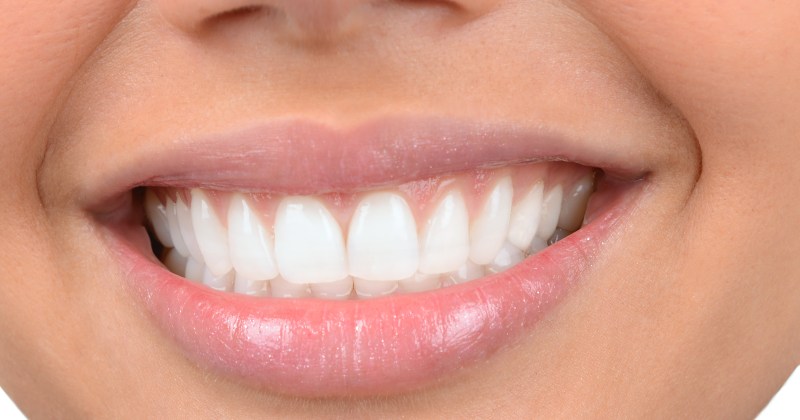
A Tooth Polish with natural ingredients will help prevent plaque, tartar, and gum disease for a lifetime of healthy smiles.

Avoiding sugary foods and acidic drinks and daily brushing and flossing are important, too. Even so, we can still develop cavities, have accidents that break or chip at tooth or find ourselves with an infection. Teeth can also become sensitive to heat or cold.

Treating a toothache in the short term may be simply handled by over-the-counter treatments, but seeing a dentist may still be required to resolve the issue. Some toothaches are so severe as to require emergency intervention, so treating the early signs of a mild toothache is important.

Early Puberty Mystery Linked to Family Exposure to Household Chemicals

American girls are now going through puberty significantly earlier than in prior decades and this trend has been linked to physiological and psychological risks. Factors thought to drive early puberty include: obesity, toxic stress, and environmental elements.

A recent landmark study focused on one particular type of environmental element — chemicals in household items. A long-running study on mothers and children published in Human Reproduction determined that the onset of female puberty is associated with exposure to commonly used chemicals like phthalates, parabens, and the antibacterial agent triclosan.

These products can be found in personal care products, some brands of perfumes, cosmetics, and toothpaste. The same result was not found in populations of boys, whose timing of puberty was also examined in this study.

University of California, Berkeley associate professor Kim Harley, Ph.D reported that researchers have known for the past 15 to 20 years that girls are entering puberty at an earlier age than they used to in the past. Obesity certainly plays a role in that, but now science has shown that the hormone-disrupting chemicals that are in our homes and in our environment could be an additional factor that’s contributing to this.

While it’s too soon to say conclusively whether these widely used chemicals are definitively causing early puberty, we need to pay attention to these chemicals and studies are starting to have enough information about them to certainly be concerned.

Discovering the cause of early puberty is important to scientists because the phenomenon is linked to a higher risk of developing depression, a greater risk for teen pregnancy, and an increased likelihood of developing diseases like breast cancer and heart disease.

The new study’s conclusions are based on data on pregnant women and the children they gave birth to who were enrolled in the Center for the Health Assessment of Mothers and Children of Salinas study between 1999 and 2000. When the women were at around 14 and 27 weeks’ gestation they gave the scientists consent to examine their urine samples for concentrations of phthalates, parabens, and phenols.

After the women gave birth, the team collected urine samples and evaluated the pubertal development of the resulting 179 girls and 159 boys. Every nine months between the ages of 9 and 13, scientists checked in to see how puberty was affecting the children. Overall, 90 percent of the urine samples showed concentrations of all the tested compounds. That was only detected in the 73 percent of the samples of pregnant mothers and 69 percent of samples taken from the nine-year old girls.

Mothers whose samples contained diethyl phthalate and triclosan had daughters that entered puberty earlier. For every doubling of triclosan in the mother’s urine, the timing of the girls’ first menstrual period shifted by just under a month and for every doubling in the samples for an indicator for phthalates, the development of girls’ pubic hair shifted by 1.3 months earlier. The urine samples taken from 9-year old girls revealed that, for every doubling in concentrations of parabens, the timing of the breast and pubic hair development, as well as their first period, happened one month earlier on average.

One reason these chemicals may affect puberty is because all of them are known endocrine disruptors. Previous studies on animals and humans have demonstrated that endocrine disruptors have the capacity to mimic, block, or otherwise interfere with the body’s hormones. They can bind to hormone receptors, such as estrogen receptors, and influence changes in our bodies. These chemicals can impact development, particularly if the exposure is happening in utero, and t research from human studies show that they may also impact development.

The difficulty in sharing the study’s results is that for now all they can say is that these are “chemicals of concern.” The Centers for Disease Control and Prevention readily acknowledges that there’s widespread exposure to phthalates and parabens, with the majority of Americans who are tested containing evidence of these chemicals in their urine. However, the agency states that finding a measurable amount of these chemicals does “not imply that they cause an adverse health effect.”

Harley hopes that regulators look at studies like hers when they move forward in conducting policy decisions and regulations. As of now, she explains, there’s no established benchmark level that states when it’s no longer safe to be exposed to these chemicals. It’s not illegal to have them in personal care products because the science isn’t strong enough to say that they absolutely cause adverse health effects. They are controversial chemicals, and about 70 percent of Americans have them inside their bodies.

These chemicals are basically ubiquitous. Regulation isn’t really there, but for people who are concerned, there are things that can be done. The advice is simple: Reduce exposure to chemicals of concern by changing the personal care products that you use and by purchasing products that don’t contain them.

So if you’re like me and pay attention to labels and ingredients, you may be concerned about the health and well being of your families, and arre careful about what you bring into your home. Switching to products that are formulated with natural, biodegradable ingredients and contain no harsh chemicals means they’re safer for your children, family, your home, and the environment.

It’s National Wear Red Day

Heart disease and stroke kill one in three women. These diseases are 80 percent preventable according to Go Red for Women’s official website.

Grandma was right

Your little old soup making grandma who claimed chicken soup would cure what ails you was right as studies show many soups also have medicinal purposes. What was once considered a wives’ tale, chicken soup now has the backing of the scientific community with helping relieve the symptoms of the common cold. Scientists believe that a bowl of the soup may reduce inflammation of the lungs. It is thought that chicken soup slows down the activity of white blood cells that can cause the inflammation.

So break out that bowl and spoon! Umm, ummm, good!

Battling SAD (Seasonal Affective Disorder)

Winter typically presents challenges to both our physical and emotional health. Seasonal Affective Disorder from the short days, dealing with difficult relationships, financial stress, inclement weather, or a host of other issues, it can be a tough time.

I’m not an authority on this subject, but I have observed a number of things that can help keep you physically and emotionally healthy during this time.

There’s less daylight and your skin is almost totally covered with clothing such that your natural vitamin D production is almost nil. Those short days also lend themselves to Seasonal Affective Disorder (SAD) which can not only depress your immune system, but also affect you emotionally.

Your home and workplace is shut up, so you have a lack of fresh air and a greater exposure to disease-causing microorganisms. That closed environment also makes it easier for you to get infections from those around you.

Colder temperatures are also just more stressful on your body, requiring greater adaptation to stay healthy. So what can you do:

1. Be sure to take at least 2000 i.u.’s of Vitamin D-3 daily — you may need more, especially if you live in a non-sunny climate. Check with your health care provider before adding more than that. Sunlight is the primary source for this essential nutrient. Between sunscreen use and modern lifestyles that keep us indoors during the sunniest parts of the day, most of us don’t get the sun exposure we need to produce required amounts of vitamin D. According to research published in the Archives of Internal Medicine, three-quarters of U.S. adults and teens are vitamin D deficient!

2. Get some fresh air in your home, even if that’s just opening some windows for a few minutes or leaving a window cracked in your bedroom at night.

3. If you are particularly bothered by the short days, consider getting one of the specially designed full-spectrum lights and expose yourself to it in the early morning and late afternoon.

4. Take other immune system stimulating supplements. In  in addition to Vtamin D, I take Activate Immune Complex. It’s a combination of scientifically formulated nutrients, extracts and vitamins ( Vitamin C, Vitamin E, Zinc, Echinacea, Astragalus and Aronia in an exclusive combination that’s been shown in scientific studies to help support the body’s own defense mechanism—the immune system.*

*This statement has not been evaluated by the Food and Drug Administration. This product is not intended to diagnose, treat, cure, or prevent any disease.

So what are good carbs?

When people decide to get a healthier lifestyle many start with looking at their diet and removing unhealthy items, switching out carbohydrates and in some cases avoiding carbohydrates entirely.

Avoiding carbs completely is probably the worst thing you can do, you need some sure cutting out breads, pastas and cereals is a start, but what carbs can you keep to benefit for your health?

Here is a short list that includes 15 starchy or complex carb foods:
Vegetables: All of them, especially pumpkin, butternut squash and fresh beets. It is best to eat a variety of vegetables every day.
Whole fruits: Apples, bananas, pears, strawberries, berries, etc.
Tubers: White potatoes with skin, sweet potatoes, yams, etc.
Legumes: Lentils, kidney beans, peas, peanuts, etc.
Nuts: Almonds, walnuts, hazelnuts, macadamia nuts, pecans, etc. Avoid Brazil nuts.
Seeds: Chia seeds, sunflower seeds, pumpkin seeds.
Whole grains: Choose grains that are truly whole, as in 100% whole wheat bread, 100% whole wheat pasta, pure oats oatmeal, couscous, brown rice, Basmati (a long grain rice) etc.
Tubers: White potatoes with skin, sweet potatoes, yams, etc.
Cereals: Oatmeal (old-fashioned or steel cut), Cream of rice hot cereal, multigrain hot cereal, barley, oats, rye, triticale, and a few others)