
High blood caffeine level might curb amount of body fat and type 2 diabetes risk

A high blood caffeine level might curb the amount of body fat a person carries and their risk of type 2 diabetes, suggests research published in the open access journal BMJ Medicine.

In light of these findings, the potential role of calorie free caffeinated drinks for lowering the risks of obesity and type 2 diabetes is probably now worth exploring, say the researchers.

Previously published research indicates that drinking 3-5 daily cups of coffee, a rich source of caffeine, is associated with a lower risk of type 2 diabetes and cardiovascular disease, note the researchers. An average cup of coffee contains around 70–150 mg caffeine.

But most of the published research to date has concerned observational studies, which can’t reliably establish causal effects, because of the other potentially influential factors involved, the researchers note. What’s more, it’s difficult to disentangle any specific effects of caffeine from the other compounds included in caffeinated drinks and foods.

To overcome these issues, the researchers used Mendelian randomization to find out what effect higher blood caffeine levels have on body fat, and the long term risks of type 2 diabetes and major cardiovascular diseases—coronary artery disease, stroke, heart failure, and irregular heart rhythm (atrial fibrillation).

Mendelian randomization is a technique that uses genetic variants as proxies for a particular risk factor—in this case blood levels of caffeine—to obtain genetic evidence in support of a particular outcome—in this study, weight (BMI) and type 2 diabetes risk.

The researchers looked at the role of two common genetic variants of the CYP1A2 and AHR genes in nearly 10,000 people of predominantly European ancestry, who were taking part in 6 long-term studies. The CYP1A2 and AHR genes are associated with the speed of caffeine metabolism in the body.

People who carry genetic variants associated with slower caffeine metabolism drink—on average—less coffee, yet have higher levels of caffeine in their blood than people who metabolize it quickly to reach or retain the levels required for its stimulant effects.

The results of the analysis showed that higher genetically predicted blood caffeine levels were associated with lower weight (BMI) and body fat. Higher genetically predicted blood caffeine levels were also associated with a lower risk of type 2 diabetes.

The researchers then used Mendelian randomization to further explore the extent to which any effect of caffeine on type 2 diabetes risk might principally be driven by the concurrent weight loss.

The results showed that weight loss drove nearly half (43%) of the effect of caffeine on type 2 diabetes risk.

No strong associations emerged between genetically predicted blood caffeine levels and the risk of any of the studied cardiovascular disease outcomes.

The researchers acknowledge various limitations to their findings, including the use of only two genetic variants, and the inclusion of only people of European ancestry.

But caffeine is known to boost metabolism, increase fat burning, and reduce appetite, they explain. And a daily intake of 100 mg has been estimated to increase energy expenditure by around 100 calories a day, which could consequently lower the risk of developing obesity.

“Our Mendelian randomization finding suggests that caffeine might, at least in part, explain the inverse association between coffee consumption and risk of type 2 diabetes,” write the researchers.

“Randomized controlled trials are warranted to assess whether non-caloric caffeine containing beverages might play a role in reducing the risk of obesity and type 2 diabetes,” they conclude.

This article was originally published March 16, 2023 | On MedicalXpress Breaking News-and-Events.
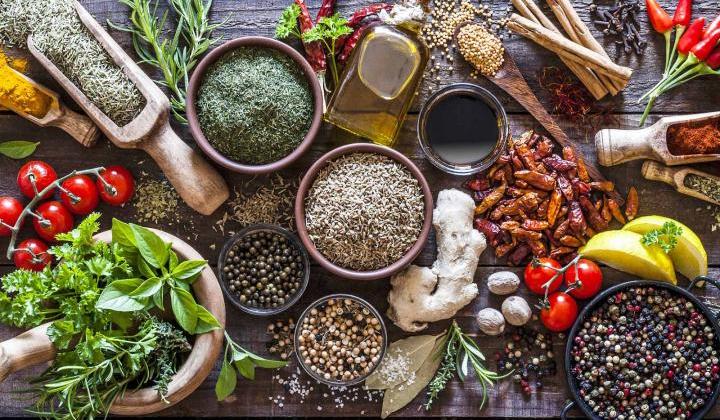
What is a Superfood?

Well it depends on who you ask.

The official definition just means a food that is nutrient dense but some marketers reference their products as “super” when they are actually just mediocre nutrition that is over-hyped. Be careful buying powder mixes that pose themselves as all that. More often than not, your stomach acid will nix any benefit from those pricey “collagen superfood mixes”.

Instead, look for foods that are high in antioxidant content. For example, everyone knows how Kale is a great superfood. BUT Red Leaf Lettuce actually has a higher antioxidant content and I think it tastes better too.

Almonds get a lot of attention as they are a healthy snack, but pecans have over 4 times the antioxidant content. I was happy to learn this one as almonds are okay, but I LOVE pecans. Pecans have become my go-to quick snack.

Turmeric is one of, if not the most, studied superfood. The reason? Curcumin, the active compound in turmeric, has been linked to a number of health benefits. Studies suggest it is beneficial in treating heart disease, cancer, osteoarthritis, infections, MS and neurodegenerative conditions like Alzheimers.

Chia Seeds contain more Omega 3’s than salmon! Athletes respect chia’s high protein content and excellent all 9 essentail amino acids. That makes it one of the best raw vegan superfoods for protein.

Did you know of the day

 Eat more foods that grow on trees and plants and eat less food that is manufactured in plants.

Some notes about “Keto Friendly”

There is a lot to be said about the Keto diet and many store bought items are being marketed as “Keto Friendly”. But be careful purchasing anything listed as “Keto Friendly.”

Why? Because Keto is based on high fat, high protein and many of the foods and food combinations offered in the store are designed purely to get fat grams in the body without any carbs.

For example, most nuts they recommend contain a high calorie to fat ratio and contain very little protein, such as macadamia nuts, hazelnuts, cashews, and pistachios. It’s best to take this snack list in moderation to avoid going into ketoacidosis.

R3 is based on healthy food, learning to adopt clean, healthy, non-emotional eating. R3 allows you to eat many of the snacks listed below in moderation and make certain you are getting your daily protein.

Shopping Stress

Definitely not enough staff in the stores these days, but the managers tell me that they cannot find people to hire so……who knows? I shop at three different stores for what is on sale, so I often make three trips, I can do that because I have a car.  If another store offers a special price on one of my staple items, I may need to make a fourth store visit. 

But when I shop for my cleaners, personal care items, vitamins supplements), I head to my online wholesale shopping club  as it has the best quality and  prices and I don’t have to drive. Plus, I now get my beef from this club too!  I order online and it is delivered right to my door.  

What do I get?
I get hormone-free, antibiotic-free, grass-fed, premium beef.. 
Non-toxic, safe, effective cleaners and high-quality personal care items.
Effective high-absorption supplements, snacks and superfoods.
All with amazing customer service.
Am I grateful? YES! YES! YES!

Do you want to join me? 

How Do Spices and Herbs Impact Your Health?

  • CINNAMON—Ceylon Cinnamon is known as “true” cinnamon. It’s a powerful antioxidant that helps regulate blood sugar and lower cholesterol.
  • GINGER—Ginger is loaded with gingerol, a natural oil with powerful antioxidant and anti-inflammatory properties. It helps with nausea, muscle relaxation and digestion.
  • TURMERIC—Turmeric boasts curcumin, that counteracts inflammation, improves circulation, and helps with cognitive health.
  • CUMIN—Cumin is the second most popular spice (right after black pepper). It helps to fight infections, reduces coughs and respiratory problems.
  • GARLIC—Garlic is one of the most versatile herbs on the planet. Rich in allicin, garlic helps lower cholesterol and blood pressure.
  • SAFFRON—Saffron is rich in crocetin, a heart healthy compound which acts as an antidepressant to improve mood and energy.

Can’t beat beets

Beets are known as a Superfood because they offer a winning combination of being rich in nutrients, low in calories, and high in antioxidants.

Beets contain…..

• Manganese, Folate, Vitamin B2 and Potassium, which help support healthy bone and muscle.

• Betaine, an antioxidant, prevents cell damage which can strengthen your fight against cancer, heart disease and Type 2 Diabetes. This is what gives beets their red color!

• Beta Carotine, which helps to support eye health and prevent eye disease. This is found in the beet greens!

Plus, beets have an anti-inflammatory effect that may reduce your risk for cognitive decline. Research shows that drinking beetroot juice may help boost your levels of hemoglobin, a type of cell responsible for transporting oxygen throughout the body.

When buying beets, look for tender ones that are medium size. And be sure you buy them with the stalks!

Are your store bought supplements fresh?

Have you ever wondered why there are so many yellow stickers on the vitamins at your local Walgreens or CVS?
It’s because store vitamins can lose their potency sitting on a shelf for six months or more. 

For the pass 19 years my nutritional supplement pack has been delivered fresh to my door. My supplements and vitamins ave a unique patented delivery system called Oligo which helps to deliver the minerals and nutrients more efficiently to my body’s cells. What’s even more remarkable is that my supplements have an 85% absorption rate.

#proofisintheblood

CUCUMBERS!!!

I love cucumbers! I eat at least one cucumber a day.

Cucumbers contain magnesium, potassium, and vitamin K. These three nutrients are vital for the proper functioning of the cardiovascular system. Plus a regular intake of cucumber can lower blood pressure, decrease bad cholesterol and lower blood sugar levels as well!

Cucumbers play a big daily role for me in my meals and salads, but you can also add it to your water!

ASTAXANTHIN: A NEW POWERHOUSE!

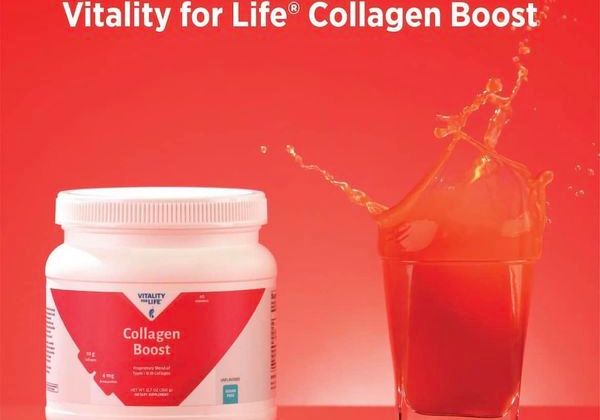
I recently started taking a new collagen product and one of the main ingredients is Astaxanthin. I was unfamiliar with this antioxidant so I started doing some research and I think I have a new favorite nutrient! It’s a powerhouse!

Astaxanthin is a reddish pigment found in algae that many consider the “king of the carotenoids.” Look at what all it does:

  • Fights Osteoarthritis — Research shows that Astaxanthin can not only help maintain the balance between new and deteriorating cartilage cells, but it may also reduce inflammation in joints. It also may slow osteoarthritis progression and address symptoms, giving you a better quality of life as you age.
  • Protects Against UV-Induced Skin Aging—A 2018 study compared moisture retention after UV exposure in subjects who were given 4mgs of Astaxanthin versus those who were given a placebo. Results indicated that there was a significant difference between the two groups. Those who took Astaxanthin showed marked moisture retention and less damage to their skin after the equivalent of 1.5 hours in the sun.
  • May Help Retain Cognitive Function in Early-Stage Dementia & Alzheimer’s —In a 2018 clinical trial looking at the effects of Astaxanthin on subjects with mild-cognitive function early-stage dementia, results showed there were significant improvements in cognitive functions related to the ability to understand and complete complex tasks quickly and accurately.
  • Fights Mental Fatique —Brain exhaustion, foggy brain, etc. Studies show that Astaxanthin helps to recover more quickly from brain fatigue.
  • Reverses the Appearance of Wrinkles & Crow’s Feet —Multiple studies showed that both oral consumption and topical application of Astaxanthin resulted in significant improvements in theappearance of wrinkles and crow’s feet in men and women over 8 weeks. Improvements in reducing the appearance of age spots and helping the skin retain more moisture were also observed.
  • Helps Manage Diabetes —A 2018 study found that patients increased their HDL cholesterol (that’s the good one!), reduced blood pressure, and actually improved the metabolism of sugars.
  • Helps with Menopause Symptoms —A 2010 study treated a group of menopausal women with a combination of vitamins and supplements that included Astaxanthin. They found that the women reported a significant reduction in 34 menopausal symptoms, including hot flashes, mood swings, bladder problems, and joint pain.
  • May Reduce Risk of Heart Disease —Studies show that Astaxanthin may reduce LDL cholesterol levels in overweight patients, as well as improve HDL levels after 12 weeks of supplementation. A 2006 study revealed that Astaxanthin may improve the thickness and elasticity of arterial walls. This can help regulate blood pressure and prevent heart failure.

My new Collagen supplement, Vitality for Life Collagen Boost, contains Astaxanthin. Do you see why I’m so excited about this!