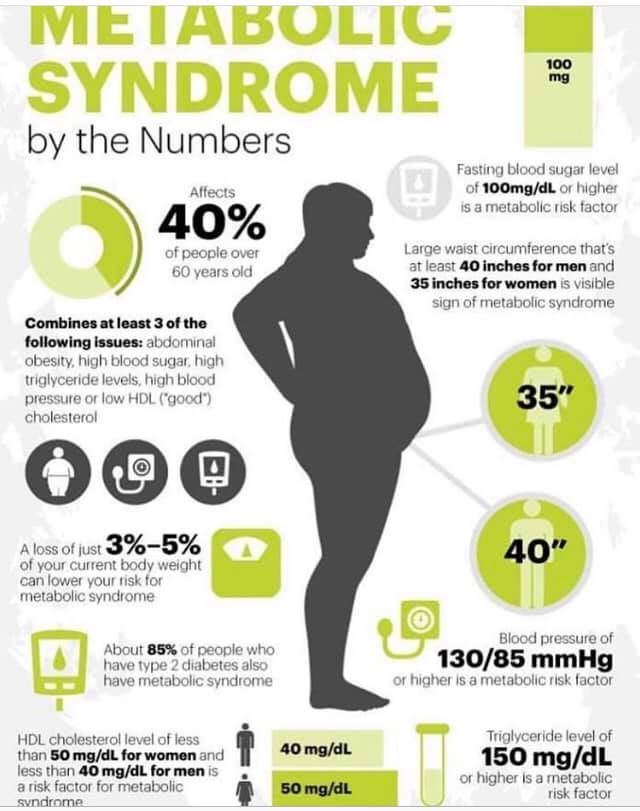
Lose a pound lose some pressure

Do you have Metabolic Syndrome?

Wow! Sniffing Rosemary Can Improve Memory

The herb rosemary has been hailed since ancient times for its medicinal properties. Rosemary essential oil, derived from the common cooking herb, has long been popular in folk medicine and is now proving beneficial in scientific studies.Rosemary was traditionally used to help alleviate muscle pain, improve memory, boost the immune and circulatory system, and promote hair growth.

Some studies have found that exposure to chemicals and radiation can increase risk of breast cancer. While the link is not completely understood, a growing body of evidence suggests that chemicals in the environment play a role in altering our biological processes. So it’s helpful to know which carcinogens—chemicals that directly cause cancer—you may be encountering on a daily basis.

Rosemary is one of the oldest known medicinal herbs. A fragrant evergreen herb, it is native to the Mediterranean and a member of the mint family, Lamiaceae, along with many other herbs, such as oregano, thyme, basil, and lavender. It is typically prepared as a whole dried herb or a dried powdered extract, while teas and liquid extracts are made from fresh or dried leaves. It is used as a culinary condiment, to make bodily perfumes, and for its potential health benefits.

It has innumerable uses in both the kitchen and in herbal medicine. The herb not only tastes good in culinary dishes, such as rosemary chicken and lamb, but it is also a good source of iron, calcium, and vitamin B-6. Both the leaves and flowers of rosemary have been used medicinally for thousands of years to improve memory.

Rosemary protects the brain (and your memory) in a variety of ways to minimize damage and slow down the rate of brain cell aging. It increases blood flow to the brain, which in turn supplies the brain with more oxygen and nutrients.

Rosemary contains carnosic acid, which fights off free radical damage to the brain as well as natural acids that help protect the body’s cells and DNA from free radical damage. The compounds in rosemary are said to prevent the breakdown of acetylcholine—a chemical that induces the brain cells responsible for memory and reasoning to communicate with one another. Some studies in rats have identified that rosemary might be useful for people who have experienced a stroke. Rosemary appears to be protective against brain damage and might improve recovery.

Rosemary to Enhance Your Memory

According to research outlined in Therapeutic Advances in Psychopharmacology, the aroma from rosemary can improve a person’s concentration, performance, speed, and accuracy and, to a lesser extent, their mood. There are several ways to start boosting memory with rosemary. One easy way is to place three to four drops of rosemary essential oil on a tissue and enjoy as the smell wafts through the air.

A study conducted on rosemary where groups of people were given rosemary essential oil. A total of 66 people participated in the study. They were randomly assigned to two rooms, one scented with rosemary and the other unscented. The results were remarkable: in the group of people in the rosemary-scented room memory was 60 – 75% better when compared to the people who were in the unscented room!

When nursing students breathed rosemary oil from an inhaler before and during test time, their pulse decreased by about 9% — while no significant change occurred without rosemary oil.

Antioxidants and anti-inflammatory compounds

Preliminary evidence suggests that rosemary oil may help reduce tissue inflammation that can lead to swelling, pain and stiffness. Laboratory studies have shown Rosemary is a rich source of antioxidants and anti-inflammatory compounds, which are thought to help boost the immune system and improve blood circulation. It may do so by stemming the migration of white blood cells to injured tissues to release inflammatory chemicals. Adding the herb to food and/or diffusing the essential oil can play an important role in neutralizing harmful particles called free radicals., reducing anti-inflammatory effects and enhance Arthritis treatment.

Rheumatoid arthritis is an autoimmune condition in which your body’s own immune system attacks tissues, such as knees and other joints, injuring the joint lining and causing inflammatio. When people with rheumatoid arthritis were given 15-minute knee massages using a rosemary oil blend three times weekly, they had a 50% decrease in inflammatory knee pain in two weeks, compared to a 12% decrease in those not given the oil.

In a two-week study, stroke survivors with shoulder pain who received a rosemary oil blend with acupressure for 20 minutes twice daily experienced a 30% reduction in pain. Those who received only acupressure had a 15% reduction in pain

Stress reduction

Many factors can cause stress —inhaling rosemary oil may help reduce anxiety. When 22 young adults sniffed rosemary oil for five minutes, their saliva had 23% lower levels of the stress hormone cortisol compared to those who smelled a non-aromatic compound. Because increased pulse rates reflect short-term stress and anxiety, rosemary oil may naturally reduce stress.

Increase Circulation

Poor circulation is a common complaint. You may notice it most in your hands and feet. If you experience cold fingers and toes — even in relatively warm temperatures — rosemary oil is worth considering.

If you have Raynaud’s disease, blood vessels in your fingers and toes constrict when you’re cold or stressed, causing them to lose their color and turn cold. Rosemary oil may help by expanding your blood vessels, thereby warming your blood so that it reaches your fingers and toes more easily.

In one study, a woman with Raynaud’s disease massaged her hands with a rosemary oil blend, finding that it helped warm her fingers more than a neutral oil. These effects were confirmed by thermal imaging. More research is needed to confirm these effects — but rosemary may prove a worthwhile, low-cost experiment.

May Help Perk You Up

Some studies suggest that rosemary oil may boost attention, alertness, energy and mood. Rosemary oil is commonly used for mental strain and fatigue in folk medicine.

When 20 healthy young adults inhaled rosemary oil, they reported feeling about 30% more mentally refreshed and about 25% less drowsy compared to smelling a placebo oil. This increase in alertness corresponded to changes in brain waves and increases in heart rate, breathing and blood pressure.

Applying diluted rosemary oil to your skin may provide similar benefits, as it can reach your brain via this route. In one study, applying diluted rosemary oil to the skin caused 35 healthy people to feel significantly more attentive, alert, energetic and cheerful after 20 minutes than when using a placebo oil.

Liver and digestive health

Rosemary is often used to soothe the stomach and relieve pain from indigestion and even menstrual cramps. Animal studies indicate that rosemary oil may stimulate the release of bile, which is important in fat digestion, and activate your own antioxidant defense mechanisms to protect your liver.

Rosemary oil can help inhibit the growth of certain strains of bacteria that cause food poisoning. This requires using precise, very small amounts of food-grade oil. Don’t experiment with this at home

Administering rosemary oil orally is not recommended. Essential oils should not be swallowed.

Rosemary Essential Oil is easy to use

Rosemary oil can be inhaled or applied topically. It’s very concentrated, so you should only use a few drops at a time.

Although some manufacturers claim it’s safe to swallow or consume their essential oils, there isn’t scientific evidence supporting this — especially over the long term. Essential oils should never be swallowed.

Inhaling rosemary oil

The simplest way to inhale rosemary oil is to open the bottle and breathe in. Alternately, you can place a few drops on a cloth or tissue and hold it near your face.

I like to use an aromatherapy diffuser, which distributes the essential oil into the surrounding air.

In general, avoid placing a diffuser close to babies or young children, as it’s hard to know the amount they’re inhaling.

Topical Use of rosemary oil

Rosemary and other essential oils are readily absorbed into your bloodstream when you apply them to your skin. It’s generally advised to dilute essential oils with a neutral carrier oil, such as jojoba oil, almond oil, or my favorite fractionated coconut oil. This helps prevent potential irritation of your skin and premature evaporation of the oil.

General guidelines for diluting oils for topical use:

Dilution Preparation
Babies0.3%Use 1 drop essential oil per
1 tablespoon carrier oil
Children1.0%Use 1 drop essential oil per
1 teaspoon carrier oil
Adults2.0–4.0%Use 3–6 drops essential oil
per 1 teaspoon carrier oil

Once diluted, apply the oil to the bottom of your feet or the body part you’re targeting, such as a sore muscle. Next, rub the oil into your skin. This improves blood flood and absorption of the oil. Avoid applying rosemary and other essential oils to damaged skin or near sensitive areas, such as your eyes.

You can inhale rosemary oil or apply it to your skin. A diffuser can help distribute the essential oil in a room. If using rosemary oil topically, dilute it with a carrier oil, to avoid skin irritation. It’s generally advised to avoid rosemary oil if you’re pregnant or have epilepsy or high blood pressure. Rosemary oil may worsen the latter two conditions

If you want to try rosemary oil, simply inhale it or apply a diluted version topically. Remember that the oil is very concentrated, so you only need a few drops at a time.


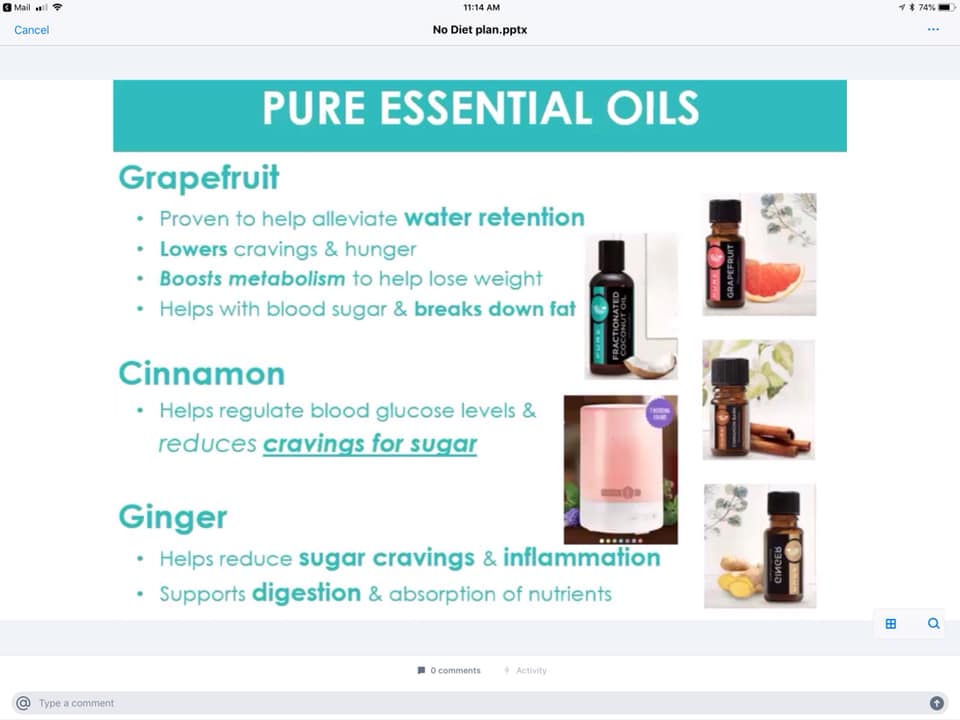
Today is brought to you by grapefruit, cinnamon and ginger

Essential oils that is!

A stellar supplement

Do you know I take a stellar supplement every day. I love how good ProVex CV makes me feel like I’m doing myself good. I’m not the only one who thinks it’s a stellar supplement. The brand of supplements I use have it as a staple in almost every Peak Performance Pack they manufacture.

What Makes It Different?
ProvexCV® is a patented formula that combines the antioxidant power of premium grape seeds with an exclusive blend of resveratrol, quercetin, green tea extract, and bromelain.*
Grape seed/skin extract: natural extract associated with helping support healthy blood pressure levels for individuals with already normal blood pressure.
Quercetin: a flavonoid present in onions and apples, quercetin is a powerful antioxidant that has been shown to promote healthy blood pressure levels, already in the normal range.
Green tea extract: extract containing the cetechin EGCG, which is associated helping support endothelial function.

ProvexCV® nourishes blood vessels and promotes healthy blood pressure levels already at normal ranges. I know it seems to have helped me with my asthma and I’ve had fewer asthma attacks since I started taking it. It’s something I know that I don’t want to be without!

Caution–If you are pregnant or lactating, or if you are under a doctor’s care for a heart-related condition, seek the advice of our physician before using this product. Consult with your physician before using this product if you are taking any medications, including asprin, NSAIDS, or anticoagulants such as warfarin and heparin.

April 4 is Vitamin C Day

So why do we “celebrate” Vitamin C day on April 4th? Well, according to the American Institute of Nutrition, it goes all the way back to 1932, when Vitamin C was isolated and identified.

The all-important vitamin helps heal wounds, acts as an antioxidant, can help delay or prevent developing  diseases like cancer or cardiovascular disease, and is good for your immune system (to name a few perks).  Citrus fruits, tomatoes, and potatoes are a high source of Vitamin C, according to the National Institutes of Health (NIH). Click here to see other Vitamin C-rich foods.

The NIH suggests that people at different ages or phases of life need different amounts of Vitamin C.  Click here to see the full chart

Antibiotics and aortic aneurysm

Certain antibiotics may cause aortic aneurysm. The US Food and Drug Administration recently warned healthcare providers that the benefits of fluoroquinolone antibiotics do not outweigh the risks—which include aortic aneurysm—for certain patients, according to the latest research. The research is based on reports of patient problems and on studies published between 2015 and 2018.

Fluoroquinolone antibiotics are often used to treat serious respiratory infections, pneumonia, urinary tract infection, and even plague and exposure to anthrax. They include drugs sold under the names ciprofloxacin (Cipro), gemifloxacin (Factive), levofloxacin (Levaquin), moxifloxacin (Avelox), norfloxacin (Noroxin) and ofloxacin (Floxin). Patients may take them orally or through injection.

The drugs may cause aortic aneurysm, a bulge in an artery that can grow and burst, causing dangerous or fatal bleeding. Patients most at risk for an aortic aneurysm after taking these antibiotics are the elderly, those with high blood pressure, people who have a history of blockages of the aorta or other blood vessels, and those who have genetic conditions like Marfan syndrome or EhlersDanlos syndrome.
Although the risk of aortic aneurysm or dissection is low, researchers say patients are twice as likely to experience an aortic aneurysm or dissection when prescribed a fluoroquinolone drug. Patients who are known to be at risk of an aortic aneurysm, the benefits may not outweigh this risk, and alternative treatment should be considered.
For patients who don’t fall into a risk category, fluoroquinolones may still be a good option. They have been helping patients with bacterial infections for more than 30 years.

The FDA is requiring that a warning about these risks be added to prescribing information and to patient medication guides. Tthe agency has also warned that these drugs may significantly decrease blood sugar and negatively impact mental health and that the drugs may have a disabling side effect on muscles, nerves, joints and the central nervous system and should be restricted for use in some simpler infections.

If you are in one of these at risk categories and are taking one of these antibiotics, experts recommend talking to your doctor about it but continuing to take the medication.

Today is National Walking Day!

Ready to move? Physical inactivity is a leading cause of heart disease and can be more dangerous than smoking. To combat this, the American Heart Association has named the first Wednesday in April as National Walking Day.

Americans are encouraged to walk for at least 30 minutes today — and every day. Statistics from the AHA show that one in two men and one in three women are at risk for heart disease.

For more information about walking, check out our walking post here

How to reduce and treat toxic mold exposure in your everyday life

Without knowing it, hundreds of millions of people are exposed to toxic mold every single day by touch, breathing or ingestion—and they don’t even know it.

Mold is silent, shifting and threatens our well-being. It can grow behind walls, below floors and even makes a home in our food. What you might not realize is, mold can make you very sick and in some cases, even be deadly.

People often underestimate the crippling effects that mold has on our bodies. If the growth of mold isn’t managed, it can overload and break down your immune system. When someone is suffering from mold toxicity, they are often left confused and frustrated trying to figure out the root cause of their illness. Use this Helpful Home 5-Minute Mold Test to find out if your home is exposed to mold spores.

Some molds release poisonous, invisible chemicals known as mycotoxins that are difficult, but not impossible, to kill. These mycotoxins will make their home all around your environment, contaminating everything you own from furniture to your clothes. These biotoxins travel through the body distressing immunity, joints, the nervous system, and more. They change how you think, how you feel and even how long you live.

Apart from mycotoxins, molds also generate irritants and allergens that trigger reactions often related to a person’s sensitivities. For example, studies show that 25-28% of North Americans are genetically predisposed to have problems with water-damaged buildings. This spray can help to prevent and clean mold buildup in your home.

Long-term mold exposure symptoms

Chronic mold toxicity is repeatedly misdiagnosed because of its collection of symptoms that resemble other diseases and syndromes. It’s habitually mistaken for and pooled together as Lyme Disease, Celiac Disease, Fibromyalgia, Chronic Fatigue Syndrome and more.

Research shows that long exposure to mold toxicity can cause:

  1. Neurocognitive problems such as mood issues, brain fog, confusion, and memory loss
  2. Sleep issues and fatigue
  3. Auto-immune issues
  4. Pain such as headaches, inflammatory problems or joint pain
  5. GI problems, food sensitivities, and weight fluctuation
  6. Numbness and tingling
  7. Blurred vision or sensitivity to light

Mold and its hiding places

About 50% of the buildings in the United States have water damage, so there’s a good chance you have been exposed. Mold flourishes in damp, poorly ventilated areas. Sometimes it starts with a plumbing problem, a leak in your roof or the aftermath of a flood.  Anywhere you can find water, mold can unexpectedly develop—drywall, underneath carpeting, in wood and poor construction materials.

Check your HVAC system, as dirty HVAC systems collect dust and moisture, making them a perfect Petri dish for growing mold—even if you don’t have a leak.

Mold is known to multiply in damp, dark places, but of the toughest strains grow in dry, arid climates.

Besides finding molds in the environment, there are also molds in food. Foods that are higher in mycotoxins are grains, nuts, chocolate, coffee, and wine. If you are sensitive to mold in your surroundings, you’re more likely to be vulnerable to the mold or yeast in your food.

Molds are one part of the total environmental load put on your body.  On a daily basis, we’re exposed to pesticides, solvents, chemicals, various bacteria, and viruses. So many things can happen to our bodies when our environments aren’t optimal, making us weak.  If you are looking for high-performance, high energy, and high focus, eliminating toxic mold exposure is critical.

What to do about Toxic Mold exposure

The medical community is aware of many of mold’s effects and symptoms and mold research studies are growing—meaning, mold is getting more mainstream media coverage. If you suspect mold might be a problem for you, getting informed is the first step to tackling mold. The good news is that, once you remove the threat of mold, your body will likely respond with a recovery protocol and return to normal.

As mold awareness grows, so have the resources, check these out:

Test For Mold Exposure In Your Environment
The most widely used test is the ERMI (Environmental Relative Moldiness Index), initially developed by the EPA. Take samples from your office, home and wherever you spend time. Test your space before you do anything; disturbing mold spores can make the situation worse.

Work With A Professional Mold Remediation Expert
If your test comes back positive, work with a mold remediation professional to identify all of the sources of mold in your space and find where the humidity is trapped. You’ll also need to use a contractor grade drying system.  After repairing leaks, clearing air exchanges and mold removal, you’ll need to test once again to make sure all of the spores are absent before rebuilding or moving back in.

Support Your Body
Stay away from foods that feed or contain yeast, mold and fungus like refined and added sugars. You can add supplements that aid in the recovery and removal of toxins like Glutathione, activated charcoal and products that help you rebuild and restore your mitochondria.

Whether you’re experiencing minor to major immune responses, contact with toxic mold always comes at a biological cost. Our bodies respond to our surroundings and by eliminating those toxins, you can free up your biological resources to do something else in life.

How do toxins affect your health?