Sleep deprivation can kill you

About a third of US adults don’t get enough sleep; I know I don’t — yet sleep deprivation has serious consequences for both your brain and body. Many people think they can get by on less sleep doctor than recommended — seven to nine hours a night — or say they need to sleep less because of work or family obligations.

Neuroscientist and sleep expert , Matthew Walker says “The shorter your sleep, the shorter your life.” Most adults need seven to nine hours of sleep, and kids need more, though needs do vary from person to person. There are some incredibly rare people can actually get by on a few hours of sleep per night, while others on the opposite end of the spectrum—the “long sleepers” need 11 hours nightly.

Regardless of your body’s clock, a lack of sleep will cause physical and mental health to suffer.
Sleep deprivation and disrupted sleep have been linked to a higher risk for certain cancers, most notably colon and breast cancers. Poor sleep quality strongly correlates with chronic skin problems, according to research from the University of Wisconsin. Studies have also found that when skin is damaged by the sun or other factors, it doesn’t heal as well when you are tired, leading to skin aging.

Researchers have found that sleep-deprived adults are less likely to connect socially, and those who report poor sleep also tend to say they’re lonelier. To make things worse, people who feel lonely don’t tend to sleep as well, which can lead to a sort of vicious cycle. Tired people have a harder time with impulse control. Those who don’t get enough sleep have more cravings for unhealthy meals and a harder time resisting high-calorie foods. Researchers think hormonal imbalances that result from sleep deprivation are responsible for this, since those imbalances are linked to a high body-mass index and obesity.

Being sleepy makes it harder to learn and disrupts short-term memory for both children and adults. Sleepiness has long been a problem for students. Delaying school start times an hour for middle-school kids has been found to significantly increase standardized test scores, and it may have an even bigger effect on teens, who naturally tend to be night owls. Several studies have found that sleep-deprived adults have more difficulty remembering words they’ve learned and have a harder time improving newly learned skills. Long-term sleep deprivation also seems to damage long-term memory.

Sleep-related memory deficits have been observed in the general adult population as well — as early as 1924, researchers noticed that people who slept more forgot less. Sleep disruptions for elderly people can lead to structural changes in the brain associated with impaired long-term memory. A growing body of evidence links bad sleep with signs of Alzheimer’s in the brain. Several NIH studies have found that sleep helps cleanse the brain of the beta-amyloid protein that can build up while you are awake. That protein is strongly associated with Alzheimer’s disease. Researchers say that a lack of sleep can lead to a vicious cycle, since the more beta-amyloid protein there is in the brain, the harder it is to get to a cleansing deep-sleep state. People with more disrupted sleep schedules tend to have more beta-amyloid protein built up.

There’s plenty of evidence that sleep deprivation has a negative effect on the heart. When researchers kept people awake for 88 hours, their blood pressure went up. Even participants who were allowed to sleep for four hours a night showed an elevated heart rate when compared with those who got eight hours. Concentrations of C-reactive protein, a marker of heart-disease risk, also increase in people who are fully or partially deprived of sleep.

People become irritable after sleepless nights and research has found individuals become more distressed by common circumstances or work interruptions when tired. The longer people go without sleep, the harder it is for them to think clearly — others experience hallucinations when sleep-deprived. The longer a person stays awake, the more visual errors are encountered, including hallucinations.

Reaction time is severely impeded with lack of sleep. Studies have found that college athletes and West Point cadets all did worse on decision-making tests and had slower reactions while tired. So it’s no surprise that sleepiness makes people clumsier. Most people notice that when they’re sleepy, they’re not at the top of their game. One study found that one sleepless night contributed to a 20-32% increase in the number of errors made by surgeons. People playing sports that require precision— like shooting, sailing, or cycling — also make more mistakes when they’ve been awake for extended periods.

Prolonged sleep deprivation or one night of sleeplessness can impede your body’s natural defenses against infection. Sleep deprivation seems to make newly received vaccines less effective. Similarly, overtired people are more susceptible to colds. If you’re wondering why you’re sick all the time and seem to pick up every bug that travels around the office, it’s probably because you’re not getting enough sleep. Sleep-deprived people are three times as likely as well-rested people to catch a cold, according to one study.

Sleeping increases testosterone levels, while being awake decreases them. Testosterone is an important component of sexual drive and desire in both women and men. Sleep deprivation and disturbed sleep, consequently, are associated with reduced libido and sexual dysfunction. People with sleep apnea are particularly at risk.

Sleepy people express more unhappiness and signs of depression In a classic study led by the Nobel Prize-winning psychologist Daniel Kahneman, a group of 909 working women kept detailed logs of their moods and day-to-day activities. While differences in income up to $60,000 had little effect on happiness, the results found, a poor night’s sleep was one of two factors that could ruin the following day’s mood. (The other was tight deadlines at work.) Another study reported higher marital happiness among women with more peaceful sleep, though it’s hard to say whether happy people sleep better, or good sleep makes people happier. Most likely, it’s some combination of the two. Insomniacs are also twice as likely to develop depression, and research suggests that treating sleep problems may help treat depressive symptoms. Risk of type 2 diabetes rises when people are overtired, even for people who aren’t overweight Being awake when your body wants you to be asleep messes with your metabolism, which in turn increases your risk for insulin resistance (often called “prediabetes”) and type 2 diabetes. Several studies in adults have found a strong association — though not a cause-effect relationship — between regular sleep loss and the risk of developing diabetes. More sleep may also help reduce diabetes risk for adolescents, according to researchers. Tiredness is associated with bad decision-making that can put lives and finances in danger Planning to make some changes to your portfolio? You might want to make sure you’re well-rested. “A single night of sleep deprivation evoked a strategy shift during risky decision making such that healthy human volunteers moved from defending against losses to seeking increased gains,” researchers said. Other researchers have found that severe sleep deprivation impairs people’s ability to follow preestablished procedures for making a “go” or “no-go” decision, something that researchers say contributed to the explosion of the space shuttle Challenger, the Chernobyl meltdown, and the Exxon Valdez disaster. Sleepy people are more easily distracted “Attention tasks appear to be particularly sensitive to sleep loss,” researchers noted. If you want to stay alert and attentive, sleep is a requirement. Otherwise, you enter “an unstable state that fluctuates within seconds and that cannot be characterized as either fully awake or asleep,” researchers said. In that state, your ability to pay attention is variable at best. Tiredness makes it hard to speak normally Severe sleep deprivation seems to affect your ability to carry on a conversation— much like having too much to drink. “Volunteers kept awake for 36 hours showed a tendency to use word repetitions and clichés; they spoke monotonously, slowly, and indistinctly,” one study noted. “They were not able to properly express and verbalize their thoughts.” Like driving drunk, driving tired can lead to more car accidents Drowsy driving is often compared to drunk driving: You really shouldn’t do either. “Motor vehicle accidents related to fatigue, drowsy driving, and falling asleep at the wheel are particularly common, but often underestimated,” one review concluded. Pilots, truck drivers, medical residents, and others required to stay awake for long periods “show an increased risk of crashes or near misses due to sleep deprivation,” it said. Tiredness is connected to urine overproduction When people sleep, the body slows down its normal urine production. But when someone is sleep-deprived, that doesn’t happen, leading to what researchers call “excess nocturnal urine production.” This condition may be linked to bed-wetting in children. In adults, it’s tied to what’s called nocturia, the need to use the bathroom many times during the night. You need sleep for muscles to get stronger — without it, muscle atrophy occurs Lack of sleep causes hormonal changes that make it harder for your body to build muscle and heal. This makes it more difficult to recover from muscle damage caused by exercise, and it worsens conditions related to muscle atrophy. Other research has found that the reverse is also true — that during sleep, your body releases growth hormone and heals damage. That’s why fitness advocates will always point out that sleep is an essential part of getting in shape. Sleepiness makes pain harder to cope with People in pain — especially those who have chronic pain — tend to not get enough sleep. This makes sense, since pain can wake you up in the night and make it hard to fall asleep in the first place. But recently, researchers have begun to suspect that sleep deprivation may actually cause pain or at least increase people’s sensitivity to pain. Tiredness leads to gastrointestinal issues Regular sleep loss makes you more likely to develop both inflammatory bowel disease and irritable bowel syndrome, which affects an estimated 10-15% of people in North America. Patients with Crohn’s disease have been found to be twice as likely to experience a relapse when they don’t get enough sleep. Sleepiness is associated with headaches Scientists don’t yet know exactly why sleep deprivation leads to headaches, but it’s a connection doctors have noticed for more than a century. Migraines can be triggered by sleepless nights, and one study found that 36-58% of people with sleep apnea reported waking up with “nondescript morning headaches.” Disrupted sleep cycles lead to more inflammation, which could worsen asthma, arthritis, and cardiovascular disease Our sleep cycle or body clock doesn’t just determine when we’re tired or awake — it also affects the function of every cell in our body. Researchers have started to figure out how disruptions in sleep schedules prevent cells from fighting inflammation, which could explain why tired people often have many problems from inflammatory conditions, including asthma, arthritis, multiple sclerosis, and cardiovascular disease. If snoring or sleep apnea is causing sleep disruption, it could lead to serious health problems Snoring can be an indication that you are dealing with sleep apnea, a sleep disorder that can cause other medical problems over time. It’s caused by decreased airflow, which can strain the heart and cause cardiovascular problems. The condition is also linked to weight gain. Poor sleep disrupts genetic activity, which may explain some of the health risks of getting too little rest A 2013 study shed some light on why sleep is tied to so many different aspects of our health and wellness: Poor sleep actually disrupts normal genetic activity. Researchers found that among study participants who slept less than six hours a night for a week, more than 700 of their genes were not behaving normally, including some that help govern immune and stress responses. Some genes that typically cycle according to a daily (circadian) pattern stopped doing so, while others that don’t normally follow a daily pattern began to do that. What does this mean? Just one week of less-than-ideal sleep is enough to make some of your genetic activity go haywire. At any given time, people who haven’t gotten the right amount of sleep are more likely to die Many health problems are associated with sleep deprivation and poor sleep, but here’s the big one: People who consistently do not get seven or eight hours of sleep a night are more likely to die during a given period. Put more simply: We all die eventually, but sleeping too little— or even too much— is associated with a higher risk of dying sooner than you might otherwise. Lauren Friedman wrote an earlier version of this story.

Blood Sugar and Insulin

Last year, I found myself waking up in the ICU of a hospital, with no memory of how I got there. My last memory is that I was at the airport. I remember having a vague conversation with a police officer. Other than that, I have no further recollection of that day until I woke up in that ICU two days later. Luckily I carry my health info and medical cards with my drivers license, so they were able to care for me. The diagnosis? DKA – Diabetic Ketoacidosis. My blood sugars had spiked to nearly 600 and I was on the verge of a diabetic coma. Considering I had never had any indication of sugar issues — all my bloodwork always came back perfectly normal.

So what happened? My doctors explained that my recent move, my recently broken shoulder and the resulting pain and lack of sleep, burying a parent, extensive dental work and weight loss (a good thing) put quite a bit of stress on my system. All of these contributed to a metabolic imbalance and my body decided to crash—big time.

Turns out the ability of the body to control insulin can make significant differences in the quality of one’s health. Insulin is a hormone that is generated in the pancreas. It is released, optimally, in small amounts throughout the day and in larger amounts after meals.

Insulin and its effects can also cause weight gain, battle metabolic issues and even lead to diabetes. The below article from “Get Your Lean On” gave me some insight and tips on controlling the insulin my body manufactures and I thought I’d share.

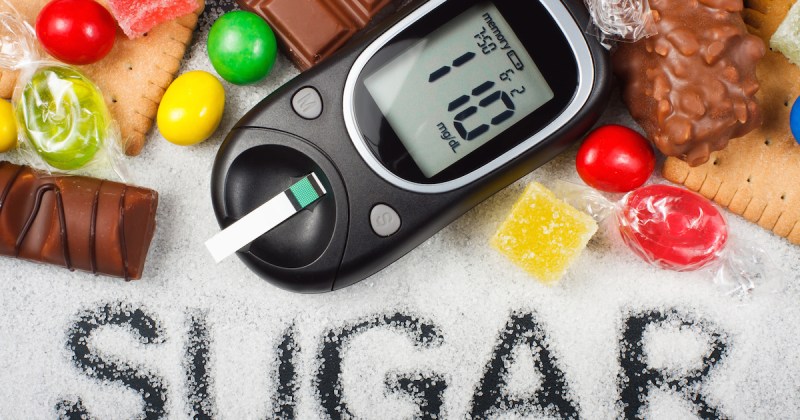
It recommends avoiding all forms of sugar, which led me to the R3 lifestyle. The study results showed sugar promotes insulin resistance. Refined carbohydrates are another food to moderate or avoid completely, if you are able, since they are converted to sugars. With my new R3 eating plan, I rarely crave sweets or carb-loaded foods—but I still crave grapefruit and indulge that craving every other day.

The article also recommends eating foods that are higher in soluble fiber and will help stabilize and regulate blood sugar levels. Soluble fiber also produces higher levels of good “gut’ bacteria and makes you feel fuller, longer. I make certain I get lots of veggies (especially cucumbers and peppers) and drink Fiberwise daily. With R3 I do have two healthy snacks every day, usually veggies.  I’m never hungry between meals anymore.

Of course, the study recommends that regular exercise should also be a part of a good daily, healthy regime. Unfortunately with my broken shoulder and subsequent shoulder replacement, I’ve not been working out or exercising for the past year—other than walking the dog, that is.

Finally, I’ve followed the suggestion to increase consumption of lean protein. With R3 I make it a point to have protein within an hour of waking up each morning. I didn’t believe it when I was first told to do this, but it works! Turns out the protein helps to absorb valuable amino acids that build muscle. Eating the right proteins is critical to the overall effect of an insulin “smart” diet, so I pay attention to the types and amounts of the protein I eat at every meal.

You may also want to consider some supplementation in your plan, regardless if your goals are weight-loss or simply universal good health. My company has developed a great tasting shake in several different flavors that allow me to easily and conveniently control my blood sugar and insulin levels.

www.getyourleanon.com/blog_home/2016/08/13/5-ways-lower-blood-sugar-and-insulin-levels-naturally-get-your-lean/

A bit about my Shopping Club

I love my shopping club but did you know the number one question I get asked is if my Shopping Club’s products are more expensive or cost more? May answer is always NOPE. 

The dish soap is less than $4. The laundry detergent costs far less than Tide, and my other household cleaners that compete with 409, Windex and the like, are less than $1 per bottle and smell like botanical flowers

 As fo supplements, not only are the good, they are competitively priced. For example: Vitamin D3 is $7.49 for 120 tablets. I consider that a score! 

The company offers each new customer the “new customer cleaning pack”. This box of cleaning supplies costs less than $100 and comes with 30 different products , from windows cleaners to floor cleansers and bathroom cleaners to your laundry detergent. This box alone means 64 loads of laundry can be done at a cost of 18¢ per load. That’s some savings!

I’ve yet to find a single product in m nearly 20 years of being a customer that costs more than what I was paying before I switched stores.

This shopping club has: 
• Close to 500 products to choose from
• Walmart like pricing
• Whole Foods quality. 
• All products are eco-friendly and safe
• No price gouging.  
• No lines.
• No leaving the house. 
• No one has ever been harmed by these products in the company’s 35 years in business
• Products are so SAFE that Childproof caps NOT REQUIRED (that’s benefit for those with small children)

The best part?
EVERYTHING is delivered to my front door and I get free products every month I shop. Switching stores  20 years ago has been one of the best decisions I’ve ever made for me and my family. 

Knee and Hip Health

IS IT TIME FOR A KNEE OR HIP REPLACEMENT?

Getting a knee or hip replacement is a big decision. You should always try conservative treatments first. If, however, they don’t work and your knee or hip pain is significantly impacting your life, you may be ready for joint replacement surgery.

My orthopedist put together this simple quiz to help you determine whether it’s time to consider joint replacement surgery:

Does the pain limit your normal activity?
Is it difficult to get up after sitting?
Do you have pain even when you’re at rest?
Does the pain affect your sleep?
Do you have chronic swelling/inflammation or stiffness?
Have you received little to no relief from conservative treatments, such as RICE (rest, ice, compression, elevation), physical therapy, braces, footwear modification, over-the-counter medications like aspirin and ibuprofen, and cortisone/lubrication injections?
If you’ve answered yes to most of the quiz questions, you may be a candidate for joint replacement surgery and should speak with an orthopedic specialist.

I know I answered yes to most of the questions and having both hips replaced made a marked improvement in my quality of life and it is great to be able to stand and walk pain free!

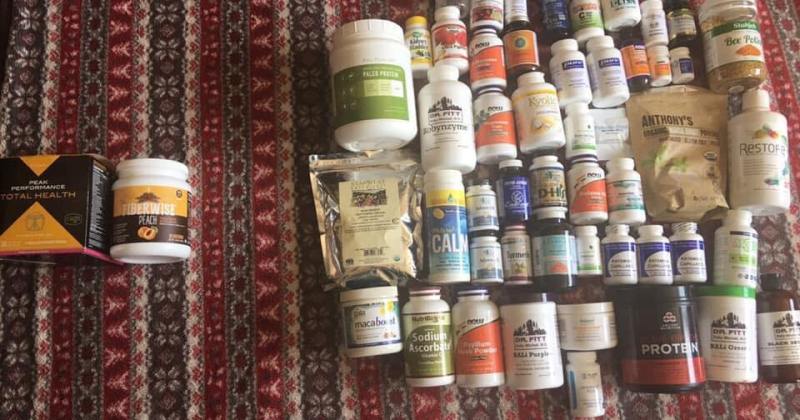
My work is marketing for a wellness manufacturer that has an online store (only). Over the past 15 years, due to an honest R&D at this company, I have learned so much quality supplements. My stomach cringes when I see someone loading up on inferior supplements off a store shelf (we have tested hundreds and hundreds of these) or a kitchen cabinet that looks like the photo.

I know many supplements on the market are a waste of money and often people spend too much for meagre results. I find I need to share what I know about supplements.

Today, I received this testimony from a happy customer that proves my cringing has merit:
“Pictures are worth a thousand words: left or right? Hashimoto’s, Celiac, Adrenal fatigue and feel SO MUCH better!! Can’t even tell anymore – thanks to the picture on the left. I don’t share a lot of what I do on my personal page but when someone’s overall health is better because of two products… felt the need to share!”
– the products on the left side of the image are from the company I market.

Did you know that human results testing is rare on a finished product?
But our company has them:
Freiburgstudy.com
Sterlingclinicalresults.com
This was a clincher: Freiburgstudy.com/img/Deprivation%20Study.pdf

This is why I take these supplements myself!

Put your health first.

Yes, first—above your kids, your husband and your job. The longer you go without taking care of yourself, the more severe the consequences.  For this Mothers’ day here are some ways you can put yourself first—with your family benefitting most.

1. Eat well. You can be a healthy role model for your kids – they follow your lead. If you aren’t eating well, neither will they.

2. Exercise. Your children should see that mom values her health and enjoys exercise. Maybe your partner will also be inspired by your increased energy. The whole family will benefit from you being less stressed and less tired.

3. Reclaim just a little personal time each day. Ask for a small block of time from your spouse or a friend, or get a babysitter so you can recharge. Don’t feel guilty about taking care of yourself!

4. Drink water. Dehydration will lead to a feeling of exhaustion. To keep your body healthy and your energy up, make sure you drink at least 64 ounces of water each day.

5. Date night. Make your marriage a priority and get out for some grown-up time. Connecting and communicating with your significant other is good for your health.  

6. Take a bath. Water is soothing to the body and the brain. Pour in your favorite bubbles, light a candle and take a dip. This small ritual can be quite replenishing.

7. Connect with a friend. Research shows that women gain health benefits from friendships, so carve out some time to connect with your friends. If you don’t have time for a mom’s night out, consider an online coffee date. Oxytocin, our feel good hormone, spikes after childbirth and also during friendship.

8. Laugh. Children laugh about 300 times per day, whereas adults laugh about five. Our entire sense of life lightens when we laugh. Listen to a podcast, get a joke of the day or just giggle with your kids.

9. Touch therapy.  Feel-good hormones such as serotonin, dopamine and oxytocin are  released from touch therapy such as massage. Consider it body maintenance!

10. Give Gratitude. Women who feel grateful have more energy and happiness.  Create a gratitude journal and write in it each day. As a mom, the days are long, but the years go by far too fast. Being thankful may help you appreciate each day a little more.

Seven steps to preventing measles…

and other communicable diseases

I’m taking a trip out west and will be mingling with a lot of people from all over the country, in airports, on the plane, public transportation, hotels, restaurants and in meetings. Thanks to many people foregoing vaccinations, measles infections are on the rise. Although I had them as a three year-old and have a “natural immunity” I plan to be prepared to battle most communicable diseases.

How do I plan to prevent infections?

Seven steps to take when travelling:

1. Proper nutrition automatically boosts immunity so I take my amazing Peak Performance Pack vitamins daily.

2. Drinking or taking Activate-C drink or capsules several days before my flight and during my trip will boost immune system even more.

3. Apply ARMOR essential oil (a natural defense against germs and immune booster) with a carrier oil to key points (like wrist and neck). It smells great and always makes me feel better.

4. Apply Melagel under my nostrils for the flight, to fight germs trying to enter my airways.

5. Apply Antibacterial Clear Defense gel or wipes to my hands as needed, especially after I’ve touched something that looks debatable.).

6. I always take time to wipe down my airplane seat with Sol-U-Guard EPA approved food-grade and safe disinfecting wipes that kill 99.99% of germs. (They say headrest, tray, seat pocket and arm rests are the worst for germ infestation!)

7. Pack a bottle of Sol-U-Mel to spray down my hotel room, bathroom counter, sheets, couch, pillow, etc. This kills dust mites, allergens, mold, bacteria and viruses that are found in the air and soft surfaces. An added bonus? It boosts the  immune system because it’s made with highest grade Melaleuca oil.

#TipsForTravel  #Measles #WorksEveryTime  #BePrepared #NaturalDefense #MyShoppingClub #WellnessOnABudget

Antibiotics and aortic aneurysm

Certain antibiotics may cause aortic aneurysm. The US Food and Drug Administration recently warned healthcare providers that the benefits of fluoroquinolone antibiotics do not outweigh the risks—which include aortic aneurysm—for certain patients, according to the latest research. The research is based on reports of patient problems and on studies published between 2015 and 2018.

Fluoroquinolone antibiotics are often used to treat serious respiratory infections, pneumonia, urinary tract infection, and even plague and exposure to anthrax. They include drugs sold under the names ciprofloxacin (Cipro), gemifloxacin (Factive), levofloxacin (Levaquin), moxifloxacin (Avelox), norfloxacin (Noroxin) and ofloxacin (Floxin). Patients may take them orally or through injection.

The drugs may cause aortic aneurysm, a bulge in an artery that can grow and burst, causing dangerous or fatal bleeding. Patients most at risk for an aortic aneurysm after taking these antibiotics are the elderly, those with high blood pressure, people who have a history of blockages of the aorta or other blood vessels, and those who have genetic conditions like Marfan syndrome or EhlersDanlos syndrome.
Although the risk of aortic aneurysm or dissection is low, researchers say patients are twice as likely to experience an aortic aneurysm or dissection when prescribed a fluoroquinolone drug. Patients who are known to be at risk of an aortic aneurysm, the benefits may not outweigh this risk, and alternative treatment should be considered.
For patients who don’t fall into a risk category, fluoroquinolones may still be a good option. They have been helping patients with bacterial infections for more than 30 years.

The FDA is requiring that a warning about these risks be added to prescribing information and to patient medication guides. Tthe agency has also warned that these drugs may significantly decrease blood sugar and negatively impact mental health and that the drugs may have a disabling side effect on muscles, nerves, joints and the central nervous system and should be restricted for use in some simpler infections.

If you are in one of these at risk categories and are taking one of these antibiotics, experts recommend talking to your doctor about it but continuing to take the medication.

Great news for coffee fans!

You can now justify every cup of coffee you drink because of its official health benefits. On average, coffee drinkers live longer than those who don’t.

I’m sure you’re thinking, “how?” Well, new data has the answer for us! Coffee has several effects which directly improve our chances of living longer, including reducing the risk of certain dangerous conditions. Find out what coffee can do for you—and how much of it you should be drinking—so you can be a healthy, long-lived coffee drinker!

The National Cancer Institute, National Institutes of Health, and the Feinberg School of Medicine at Northwestern University teamed up to analyze data on coffee-drinkers as well as the long-term study of half a million people in the United Kingdom, ranging in age from 38 to 74 by UK Biobank tp determine health benefits.

Keep in mind that the research shows a noted correlation, rather than a direct causal connection. But due to the broad spectrum of people and other evidence provided by the study, we can still say that coffee is a good thing for the following reasons.

  • Cut the Pain: Two cups of coffee can cut post-workout muscle pain by up to 48%. From the Journal of Pain, March 2007 (link)
  • Increase your fiber intake: A cup of brewed coffee represents a contribution of up to 1.8 grams of fiber of the recommended intake of 20-38 grams. From the Journal of Agricultural and Food Chemistry (link).
  • Protection against cirrhosis of the liver: This is a good on, of course, you could just cut down on the alcohol intake. From the Archives of Internal Medicine (link). Another more recent study also showed coffee’s liver protecting benefits. link. Yet another study showed that both coffee and decaffeinated coffee lowered the liver enzyme levels of coffee drinkers. This study was published in the Hepatology Journal.
  • Lowers risk of Type 2 Diabetes: Those who consumed six or more cups per day had a 22% lower risk of diabetes. From the Archives of Internal Medicine (link). A recent review of research conducted by Harvard’s Dr. Frank Hu showed that the risk of type II diabetes decreases by 9% for each daily cup of coffee consumed. Decaf coffee decreased risk by 6% per cup.
    Lowered risk of Alzheimer’s disease: There is considerable evidence that caffeine may protect against Alzheimer’s disease. From the European Journal of Neurology (link). A recent study also isolated the compounds in roasted coffee that may be responsible for preventing the build-up of the brain plaque believed to cause the disease. 
  • Reduces suicide risk and Depression: A 10-year study of 86,000 female nurses shows a reduced risk of suicide in the coffee drinkers. From the Archives of Internal Medicine (link). Another study conducted by the Harvard School of Public Health found that women who drink four or more cups of coffee were 20% less likely to suffer from depression. Study link.
  • Protection against Parkinson’s: People with Parkinson’s disease are less likely to be smokers and coffee drinkers than their healthy siblings. From the Archives of Neurology (link). Research out of Sweden revealed that drinking coffee reduces the risk of Parkinson’s even when genetic factors come into play. link. Yet another study (published here) found that caffeine combined with EHT (a compound found in coffee beans) provided protective benefits to rats that were genetically predisposed to developing Parkinson’s.
  • Coffee drinkers have lowered risk of heart disease: Korean researchers found that study participants who consumed three to five cups of coffee a day were less likely to show the beginning signs of heart disease. The studyOther dietary factors should also be noted as Koreans typically have a different diet than do Westerners. A more recent study conducted in Brazil found that those that consume at least three cups of coffee a day tend to develop less calcification in their coronary arteries.
  • Coffee drinkers have stronger DNA: A study published in the European Journal of Nutrition showed that coffee drinkers have DNA with stronger integrity since the white blood cells of coffee drinkers had far fewer instances of spontaneous DNA strand breakage. Study abstract.
  • Lower Risk of Multiple Sclerosis: Recent research showed that at least four cups of coffee a day may help protect against the development and reoccurrence of MS. It is believed that the coffee prevents the neural inflammation that possibly leads to the disease developing. The study was published in the Journal of Neurology, Neurosurgery & Psychiatry
  • Coffee reduces colorectal cancer risk: Even moderate consumption of coffee can reduce the odds of developing colorectal cancer by 26%. This protective benefit increases with more consumption. The study is described in detail here.

So it’s a safe bet to stick with coffee.

Are you an organ donor?